


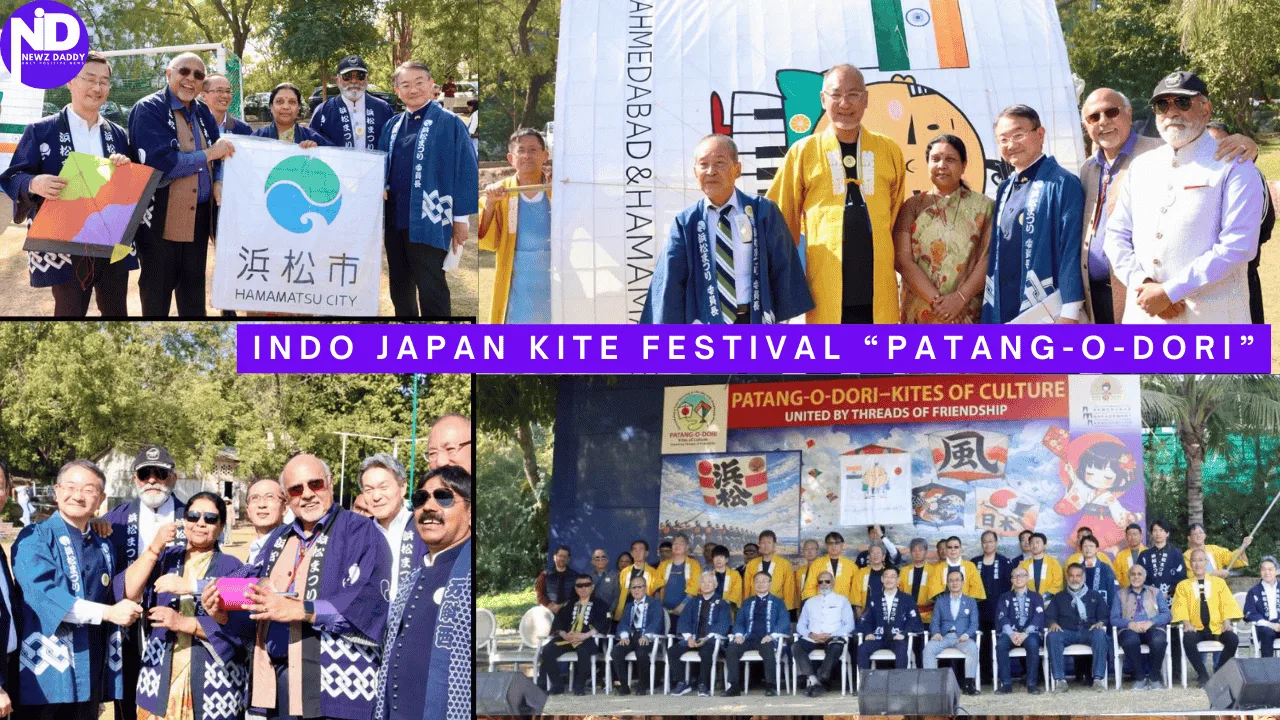
Kite Festival Blends Japan With Gujarat
Kite Festival Highlights The Powerful Cultural Bond of India And Japan
Synopsis Of The Article
- IJFA Gujarat and Shreyas Foundation hosted a joint Japanese and Amdavadi Kite Festival event on Uttarayan morning in Ahmedabad.
- The Kite Festival connected Ahmedabad’s kite culture with Japan’s strong kite heritage from Hamamatsu.
- It was part of GOLDFEST 2026, marking 50 years of Indo-Japan friendship in Gujarat.
- The programme was called PATANG-O-DORI, meaning dancing kites in the sky.
- Hamamatsu is known across Japan for its large kites and famous kite battles held every May.
- The event also marked one year of the Ahmedabad–Hamamatsu sister-city partnership.
- Japanese kite flyers led by Hamamatsu Mayor Yusuke Nakano took part in the celebration.
- Traditional Japanese kites, music and costumes were showcased alongside Gujarati folk arts.
- Senior leaders from diplomacy, business and government attended the event.
- The celebration showed how culture helps build long-term ties between India and Japan.
On the morning of Uttarayan, when the skies of Ahmedabad are usually filled with colourful patangs, a rare cultural moment unfolded at Shreyas Foundation, the Kite Festival. IJFA Gujarat and Shreyas Foundation brought together Japanese and Amdavadi kite traditions, turning kite flying into a shared celebration between Ahmedabad and Hamamatsu. The open ground became a symbol of friendship, where two cities met not through speeches, but through strings, wind and colour.
Ahmedabad’s kite festival is known across the world and draws visitors every January. In Japan, Hamamatsu holds a similar place of pride. Its annual kite festival attracts hundreds of thousands of people and is famous for large fighting kites flown by trained teams. By bringing these two traditions together, the organisers showed that kite flying is not just a sport or a festival, but a deep cultural expression in both societies.
Also Read:
Indo-Japan friendship ignites Gujarat
Indo-Japan Friendship Celebrates 50 Years
The programme, named PATANG-O-DORI or “Dancing in the Sky with Amdavadi Patang!”, was designed to focus on joy and friendship rather than competition. This approach matched the spirit of Uttarayan, which is celebrated as a day of togetherness in Gujarat. In Japan, too, kite festivals are family events where entire neighbourhoods take part, making this exchange feel natural and heartfelt.
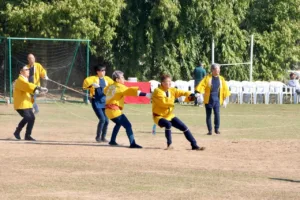
Hamamatsu is often called Japan’s kite capital. Its kite culture includes music, traditional clothing and strong teamwork. Much like Ahmedabad uses its kite festival to promote Gujarat to the world, Hamamatsu uses its festival and kite museum to highlight its history and attract tourism. Cultural experts often point out that such festivals help cities preserve tradition while staying connected to the modern world.
The event also marked the first anniversary of the sister-city agreement between Ahmedabad and Hamamatsu, signed on 20 August 2025. This agreement made Ahmedabad the first Indian city to have two Japanese sister cities, the other being Kobe. Such partnerships are widely used across the world to promote exchange in education, culture, tourism and city planning. They often begin with cultural events before growing into student programmes and business links.
Mr Mukesh Patel, Honorary Consul of Japan in Ahmedabad, described PATANG-O-DORI as a celebration of both the sister-city bond and 50 years of Indo-Japan friendship in Gujarat. Over the years, Gujarat has become an important destination for Japanese companies and students. Cultural events like this help create trust at the people’s level, which experts say is vital for long-term partnerships.
Hamamatsu Mayor Yusuke Nakano led a 15-member team of expert kite flyers to Ahmedabad. These flyers are trained in handling large traditional kites, some stretching nearly three metres. In Hamamatsu, such kites are flown using ropes and special techniques, often guided by music and signals. Bringing this art to Ahmedabad allowed local audiences to see a side of Japanese culture rarely witnessed in India.
During the event, Japanese flyers used bugles and wore traditional festival coats, known locally as happy coats. These sounds blended with Gujarati folk music, dhol beats and garba steps. Cultural observers often note that when music and movement mix across cultures, it creates stronger emotional connections than formal programmes ever can.
Gujarati dancers and musicians joined the Japanese performers, turning the Shreyas Foundation campus into a lively cultural meeting point. Shreyas Foundation has long been known for promoting education, arts and child-focused cultural programmes. Hosting PATANG-O-DORI there also helped young students see global culture in a friendly and familiar setting.
Many dignitaries attended, including senior diplomats, city leaders and business heads from both countries. Their presence showed that cultural events also support economic and community ties. In recent years, chambers of commerce from Gujarat and Hamamatsu have signed cooperation agreements, using such goodwill events to open doors for trade and investment.
GOLDFEST 2026, which supported this programme, is planned as a wider celebration of Indo-Japan friendship through culture, business and people-to-people contact. By placing a Japanese kite demonstration at the heart of Uttarayan, the organisers ensured that this milestone celebration reached ordinary citizens. For many watching the sky that morning, the message was simple and clear: friendship, like a kite, rises higher when held together.
India and Japan have always been good friends for decades, and now let’s hope and believe this partnership of India and Japan continues, and the mission of making Gujarat a mini-Japan becomes a reality pretty soon, not only in terms of technology but also in terms of a sense of civilisation.