


Indian Armed Forces’ Emotional Missions Inspire Millions
Indian Armed Forces Deliver Powerful Help When The World Faces Tragedy
Beyond the Battlefield: The Humanitarian Strength of India’s Armed Forces 🇮🇳
🌟 Key Highlights 🌟
🚁 2004 Indian Ocean Tsunami: 20,900 Armed Forces personnel deployed; 6.36 lakh people moved to safety through massive tri-service operations.
🌍 Operation Maitri (Nepal, 2015): 11,200 rescued within hours; large-scale airlift and sustained reconstruction support.
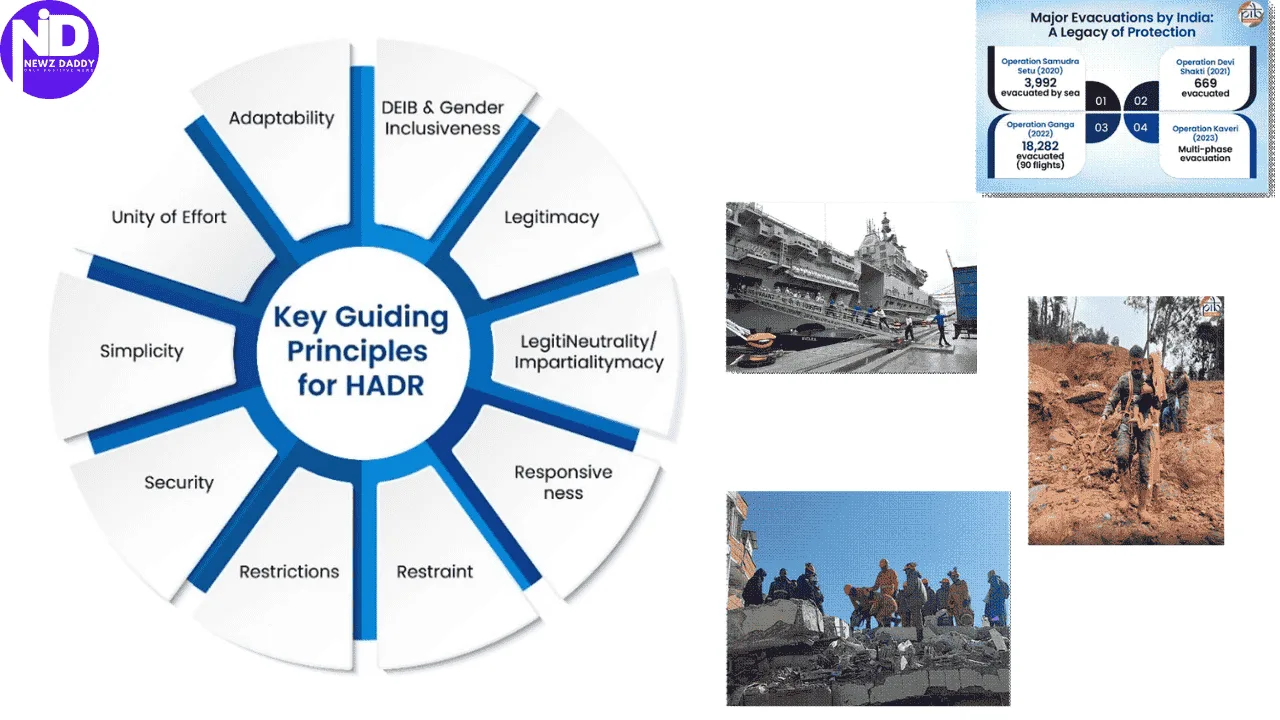
🚢 Operation Samudra Setu (2020): 3,992 citizens repatriated by the Indian Navy over 55 days during COVID-19
✈️ Operation Ganga (2022): 18,282 evacuated through coordinated Air Force and civil flights from Ukraine
🏥 Operation Brahma (2025): 750 tonnes of aid delivered; field hospitals treated 2,500+ patients in Myanmar.
🌊 Operation Sagar Bandhu (2025): 1,058 tonnes of relief and evacuation support to Sri Lanka.
The Indian Armed Forces — not only guardians of the nation, but first responders in crisis.
India’s Armed Forces have always stood strong in war. But their role in saving lives during disasters is just as powerful. Again and again, they have stepped forward when people needed help the most. Their work shows courage, care, and deep duty to humanity.
When the 2004 Indian Ocean tsunami struck, it caused huge damage across India and nearby countries. Coastal areas like Tamil Nadu and the Andaman and Nicobar Islands were badly hit. Roads were broken, homes were washed away, and many people were left with nothing. The Armed Forces quickly launched one of the biggest rescue efforts in India’s history. Navy ships reached the cut-off islands with food, water, and medical supplies. Helicopters flew over flooded areas and lifted stranded people. Army teams cleared roads and helped families find shelter. They also helped countries like Sri Lanka, the Maldives, and Indonesia. Their fast action saved thousands of lives and brought hope in a time of deep pain.
In 2015, Nepal faced a powerful earthquake that killed thousands and destroyed cities and villages. India responded within hours through Operation Maitri. Indian Air Force planes were among the first to land in Kathmandu. They carried rescue teams, medical staff, and relief supplies. Special teams used tools and trained dogs to find people trapped under broken buildings. Indian helicopters reached remote mountain villages where help could not easily reach. The Armed Forces also helped repair roads and buildings. Many injured people were brought to India for treatment. Nepal’s people warmly thanked India for standing by them in their darkest hour.
During the COVID 19 pandemic in 2020, many Indians were stuck in foreign countries due to travel bans. Operation Samudra Setu became a lifeline for them. Indian Navy ships travelled long distances to bring citizens home from places like the Maldives, Sri Lanka, and Iran. The journey was not easy. Strict health rules were followed to keep everyone safe. Medical teams stayed on board and checked passengers daily. The Navy also carried food and medicines to friendly countries. This showed that even during a global crisis, India’s Armed Forces were ready to protect and help.
In 2022, war broke out in Ukraine, and thousands of Indian students were trapped. Operation Ganga was launched to rescue them. The Indian Air Force sent large aircraft to nearby countries like Poland, Hungary, and Romania. From there, students were flown back home safely. The Armed Forces worked closely with India’s government teams on the ground. Many flights ran day and night. Families in India waited with fear, but soon their children returned home. The mission showed careful planning and strong teamwork.
In 2025, Operation Brahma showed India’s helping hand once again. Myanmar faced a serious crisis, and people needed urgent aid. India sent large amounts of relief, including food, medicines, and shelter items. Field hospitals set up by the Armed Forces treated thousands of patients. Doctors worked long hours to care for the sick and injured. Such medical missions are important because quick treatment can save lives after disasters. India’s help strengthened trust and friendship between the two nations.
The same year, Operation Sagar Bandhu helped Sri Lanka during its difficult time. The country was facing shortages and hardship. India sent relief materials, fuel support, and evacuation help. Navy ships carried heavy supplies across the sea. The Armed Forces also helped move people to safe places when needed. This support helped reduce suffering and showed India’s role as a caring neighbour.
These missions are not new. The Armed Forces have helped during floods in Kerala, earthquakes in Gujarat, and cyclones in Odisha. They bring food, rescue the trapped, and give medical care. Their training, discipline, and courage make them ready for any crisis.
For many people, the sight of an Army truck, a Navy ship, or an Air Force helicopter brings relief. It means help has arrived. It means they are not alone.
The Indian Armed Forces do more than defend borders. They defend lives. In times of disaster, they become protectors, healers, and saviours. Their service goes beyond the battlefield, touching hearts across India and the world.