


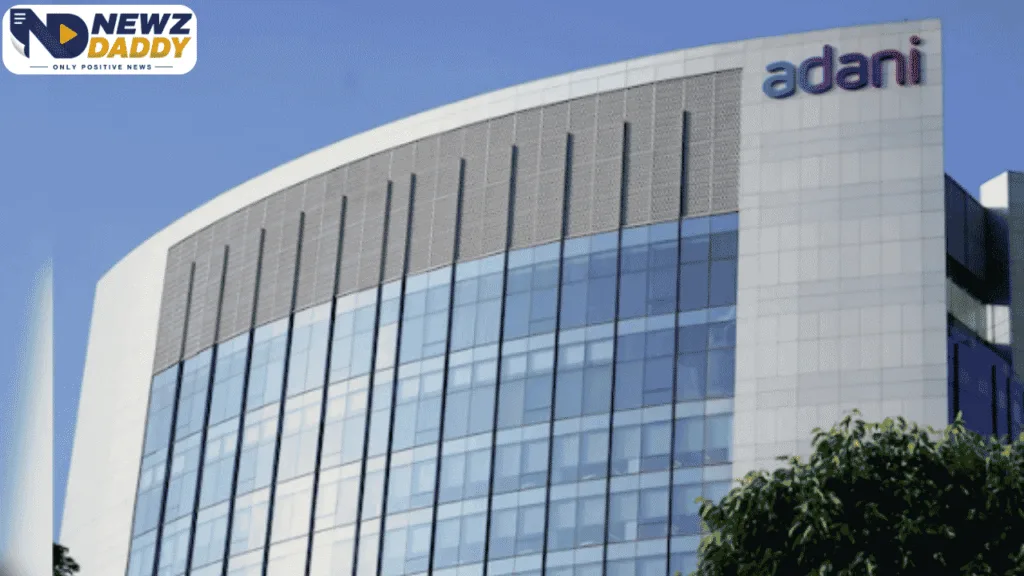
ACC Q1 FY27 Results Profit Falls as Fuel Costs Rise
ACC reports lower first quarter profit as fuel costs weigh on cement business, expansion plans move ahead
ACC Limited has reported a decline in earnings for the first quarter of the 2026 to 27 financial year as higher fuel and logistics costs, along with planned maintenance work at major manufacturing units, affected profitability. The company, which is part of the Adani Cement portfolio, said it continued to increase sales through trade channels, expand production capacity and advance its proposed merger with Ambuja Cements.
The company recorded cement sales of 10 million tonnes during the quarter ended 30 June 2026, compared with 10.7 million tonnes in the same period last year. Revenue from operations stood at Rs 5,808 crore, down from Rs 6,328 crore a year earlier. Operating EBITDA fell to Rs 457 crore from Rs 779 crore, while profit after tax declined to Rs 147 crore from Rs 376 crore. Diluted earnings per share also dropped from Rs 19.9 to Rs 7.8.
ACC said the quarter included a higher volume of Manufacturing and Supply Agreement (MSA) business with parent company Ambuja Cements, which influenced the financial comparison with the previous year.
Whole-Time Director and Chief Executive Officer Vinod Bahety said: “We have commenced FY’27 with a resilient performance, driven by a higher share of trade volumes and continued premiumization. During the quarter, profitability reflected the impact of planned maintenance of larger Integrated Units, higher MSA with parent Ambuja Cements, even as we continued to prioritise value-led growth and quality earnings.
“Our journey towards building a simpler, stronger and more integrated business continues through the proposed One Cement Platform. Combined with strategic capacity expansions at Salai Banwa and Kalamboli, CiNOC-enabled operational excellence and customer-focused solutions, we have a good visibility of improved performance in the coming quarters. Leveraging the strength of our integrated business model and group synergies, Adani Cement at the consolidated level remains committed to delivering approximately Rs 250 PMT cost reductions in FY’27.”
India remains the world’s second largest cement producer after China, according to government and industry data. Demand for cement is closely linked to road construction, railways, urban housing, commercial projects and other infrastructure spending. Analysts have said long-term demand is expected to remain supported by public investment and population growth, although the industry continues to face pressure from energy prices and transport costs.
During the quarter, ACC increased the share of its trade business to 81 per cent of total sales, five percentage points higher than a year earlier. Premium products accounted for 44 per cent of trade sales, compared with 41 per cent in the corresponding quarter last year.
Operational figures showed mixed results. The cost of kiln fuel increased to Rs 1.67 per 1,000 kilocalories from Rs 1.56 a year earlier, reflecting higher imported fuel prices. Electricity costs, however, declined to Rs 5.6 per kilowatt-hour from Rs 6.1, while green power contributed 31 per cent of the company’s electricity requirement, compared with 26 per cent a year ago. Direct dispatch improved slightly to 52 per cent, and the average primary lead distance reduced to 254 kilometres from 290 kilometres, indicating shorter transport routes.
The company said it achieved modest sequential cost savings through operational measures despite disruption in international fuel markets. Imported petcoke and thermal coal became more expensive during the quarter after conflict in West Asia increased freight and shipping costs. ACC noted that the cement industry generally carries fuel inventories covering about two to three months, meaning the highest input costs could continue to affect results during the seasonally weaker second quarter.
To reduce its dependence on imported fuels, the company said it is increasing renewable energy use, improving fuel mix, strengthening logistics planning and focusing on markets that offer stronger margins.
ACC also continued work on expanding production capacity. Trial operations have started at the new 2.4 million tonnes per annum grinding unit at Salai Banwa in Uttar Pradesh. The Kalamboli expansion project in Maharashtra is expected to add another one million tonnes of annual capacity during the September 2027 quarter. These projects form part of the Adani Group’s wider plan to expand cement production across India over the next several years.
The proposed merger of ACC with Ambuja Cements also moved forward during the quarter. ACC said the Securities and Exchange Board of India issued its No Objection Certificate on 4 June 2026. The company filed an application before the National Company Law Tribunal on 29 June 2026. The transaction remains subject to statutory and regulatory approvals and is expected to be completed during the current financial year. The plan is intended to create a single operating platform for the group’s cement business.
ACC’s ready mix concrete business continued to grow. The company expanded its network to 119 plants across the country. Ready mix concrete volume increased 17 per cent year on year to 0.97 million cubic metres, while the business reported EBITDA of Rs 33 crore. Demand for ready mix concrete has been rising in several Indian cities because of faster urban construction and increasing preference for factory-produced concrete that offers consistent quality.
The balance sheet remained financially stable. ACC reported a net worth of Rs 20,562 crore and cash and cash equivalents of Rs 375 crore at the end of the quarter. The company retained the highest domestic credit ratings of AAA and A1+ from CRISIL and CARE Ratings, supporting its ongoing capital investment programme.
Environmental performance remained an important area of activity. ACC received GreenPro certification from the Confederation of Indian Industry for its blended cement portfolio. The company also secured GRIHA certification for its blended cement range, including Buildcem and Buildcem Pro, together with additional recognition for Life Cycle Assessment and Environmental Product Declaration-based innovation. It launched its Digital Business Responsibility and Sustainability Report for the 2025 to 26 financial year and said it continued work on renewable energy, water conservation, resource efficiency, circular economy initiatives, tree plantation and community development.
The company also received several industry recognitions. ACC was named India’s Most Sustainable Company 2026 in the cement sector by Business Today. Jamul Plant won the Silver Award at the 18th CII National EHS Excellence Awards for environment, health and safety, while the Ametha Plant received the British Safety Council International Safety Award 2026 in the Merit category.
Looking ahead, ACC expects cement demand in India to grow by about five per cent during FY27. The company said construction activity could remain slower during the monsoon season and continue to face uncertainty from global events and fluctuating input costs. Even so, it expects long-term demand to remain supported by government investment in infrastructure, urban development and housing projects.
Must Read:
Adani Cement World Record At Umiya Dham Foundation
Adani Cement FutureX Bridges Classrooms With Real World Future