


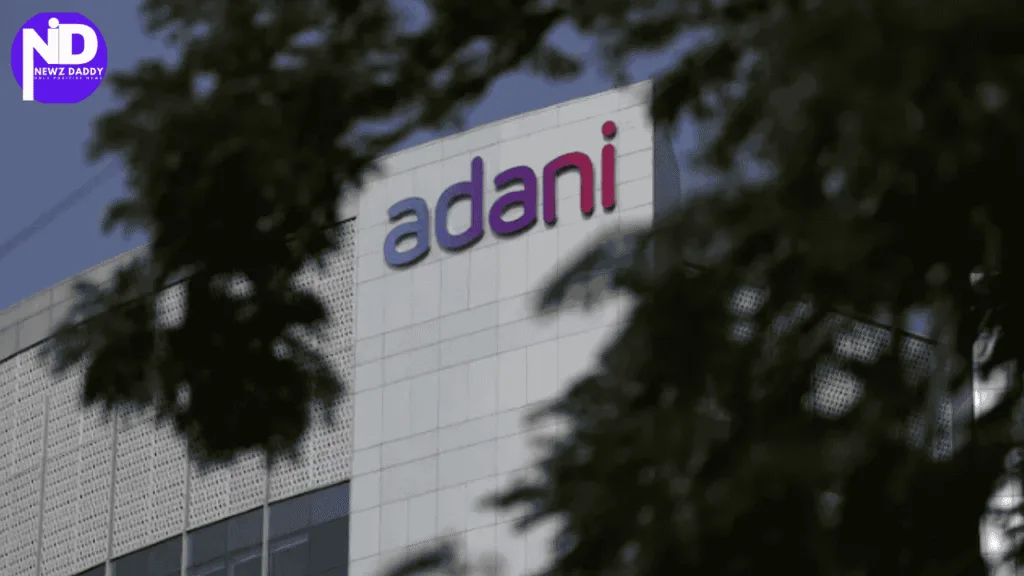
Adani Power ESG Performance Sets New Industry Confidence
Newzdaddy Business Updates
Adani Power Limited’s recognition by NSE Sustainability Ratings and Analytics Limited marks an important moment for India’s thermal power sector. With a score of 65 and placement in the “Aspiring” category, the company has positioned itself ahead of other major thermal, mixed fuel, and integrated energy producers. This appraisal, based entirely on publicly available data, highlights how ESG performance is becoming a serious benchmark for large industrial players in India.
ESG ratings are increasingly used by investors, regulators, and global partners to judge how responsibly a company operates. In recent years, Indian power companies have come under close watch due to climate concerns, water stress, and community impact. In this context, Adani Power’s ranking stands out, especially as thermal power continues to face pressure to lower emissions while meeting rising electricity demand.
One of the strongest factors behind the score is Adani Power’s adoption of advanced emission control technologies. Ultra Super Critical boiler technology is known to improve fuel efficiency and reduce coal consumption per unit of power generated. Compared to older subcritical plants, such systems can cut carbon emissions significantly while using less water. Continuous emissions monitoring systems further allow real-time tracking and quick corrective action, which aligns with global best practices followed in developed power markets.
Water conservation remains a critical issue in India, particularly in regions where thermal power plants operate near water-stressed communities. The adoption of zero liquid discharge systems ensures that wastewater is treated, recycled, and reused within the plant, leaving no discharge into nearby rivers or groundwater. This approach reduces conflict with local communities and supports long-term water security.
On the social front, Adani Power’s community-focused initiatives reflect a broader shift in corporate responsibility. Education support through scholarships helps students from economically weaker backgrounds continue their studies, while healthcare camps provide access to basic medical services in areas where public facilities are limited. Skill development and livelihood projects also play a role in creating local employment and reducing dependence on seasonal work.
Employee welfare and safety remain another key pillar. Large power plants involve high-risk operations, making regular safety training essential. A focus on diversity and inclusion also aligns with modern workforce expectations and improves organisational culture across multiple sites.
Governance standards form the backbone of ESG credibility. Adani Power’s board and committee structures exceed minimum regulatory requirements, particularly in the number of independent directors. Strong representation of independent members in audit, risk, and remuneration committees helps improve transparency, accountability, and risk oversight. This is especially important in capital-intensive sectors like power generation, where long-term financial and operational risks are high.
Supplier and contractor ESG standards further extend responsibility beyond company boundaries. By applying ESG expectations across the value chain, Adani Power reduces reputational and operational risks while encouraging responsible practices among vendors and partners.
The NSE Sustainability rating also aligns with recent global ESG assessments. Sustainalytics’ classification of Adani Power as a “Medium Risk” entity, with a score better than the global industry average, shows balanced management of ESG risks. Similarly, CSR HUB’s rating of 77 per cent, well above the global average, reinforces the company’s standing on social and governance parameters.
Together, these independent appraisals strengthen investor confidence and underline the growing importance of ESG in India’s energy transition. While renewable energy continues to expand, thermal power remains essential for grid stability. Companies that improve efficiency, reduce impact, and invest in communities are more likely to remain relevant and trusted in the long term.
Adani Power’s performance demonstrates how traditional energy companies can adapt to evolving sustainability expectations while continuing to support India’s power needs. The recognition serves as a signal that responsible operations and long-term value creation are now central to business success in the energy sector.