


ALH Mk-III Maritime Role Deal Boosts Naval Power
ALH Mk-III Maritime Role Secures Fishermen and Offshore Zones
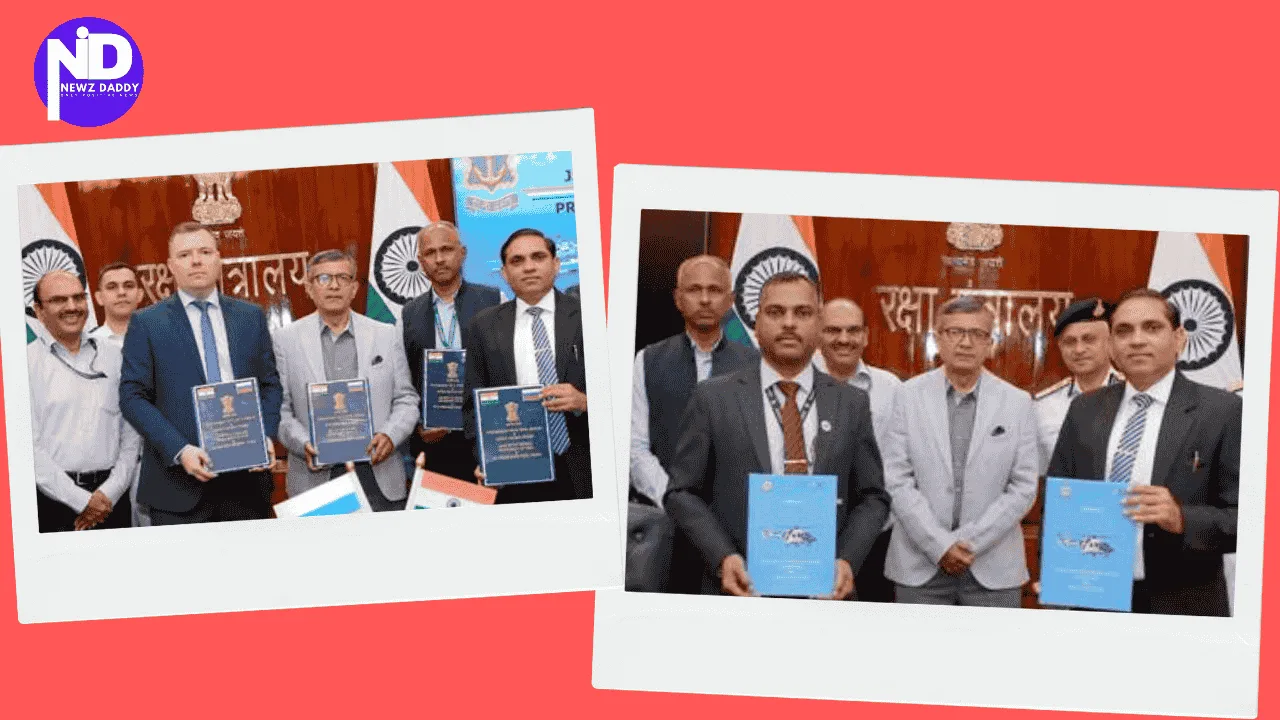
The Ministry of Defence has signed two major defence contracts worth Rs 5,083 crore, strengthening India’s maritime power at a time when security in the Indian Ocean region remains a key concern. The agreements include the purchase of six Advanced Light Helicopters (ALH) Mk-III in the Maritime Role for the Indian Coast Guard and the procurement of Surface-to-Air Vertical Launch Shtil missiles for the Indian Navy. The contracts were signed in the presence of Defence Secretary Shri Rajesh Kumar Singh at South Block in New Delhi.
The deal for the ALH Mk-III (MR), valued at Rs 2,901 crore, has been signed with Hindustan Aeronautics Limited, based in Bengaluru. The helicopters are being acquired under the Buy (Indian-Indigenously Designed, Developed and Manufactured) category. This means the platform has been designed and built in India, which supports the government’s Aatmanirbhar Bharat and Make-in-India initiatives.
The ALH, also known as ‘Dhruv’, has been in service with the armed forces for several years. Over time, it has been upgraded for different roles, including transport, search and rescue, medical evacuation and armed missions. The Mk-III version for the Coast Guard is specially equipped for maritime operations. It comes with modern avionics, advanced surveillance radar, electro-optical sensors and night vision capability. These features allow it to operate in poor weather and low-light conditions, which are common at sea.
India has a coastline of more than 7,500 kilometres. It also has several offshore oil platforms and island territories. The Coast Guard is responsible for protecting these assets, along with ensuring the safety of fishermen and preventing smuggling and illegal activities. Helicopters like the ALH Mk-III play a key role in search and rescue missions, especially during cyclones and other natural disasters. In recent years, the Coast Guard has been actively involved in rescue work during severe storms in the Arabian Sea and the Bay of Bengal. The addition of these new helicopters will help reduce response time and improve coverage across coastal areas.
The project is also important for the domestic economy. More than 200 micro, small, and Medium Enterprises are expected to supply equipment and components. This will generate around 65 lakh man-hours of employment. Defence manufacturing has become a strong focus area for India. In the past few years, the country has increased its defence exports and reduced dependence on imports in certain segments. Large contracts like this help create a stable order book for Indian companies and encourage technology development within the country.
The second contract, valued at Rs 2,182 crore, is for Surface-to-Air Vertical Launch Shtil missiles and related equipment. The agreement has been signed with JSC Rosoboronexport of the Russian Federation. These missiles are meant for frontline warships of the Indian Navy.
The Shtil system is a naval air defence missile system designed to intercept aircraft, drones and incoming anti-ship missiles. Modern naval warfare depends heavily on layered air defence. This means that a warship uses different types of weapons to counter threats at various ranges. The Shtil missile system provides medium-range protection and can engage multiple targets in quick succession. Its vertical launch capability allows missiles to be fired straight up before turning towards the target, enabling faster reaction time and 360-degree coverage.
The Indian Navy operates in a challenging environment. The Indian Ocean region has seen increased naval activity from various countries. Warships today face threats not only from aircraft but also from sea-skimming missiles and unmanned aerial systems. Strengthening ship-based air defence improves survivability and ensures that naval task forces can operate safely during both peace and conflict.
India and Russia have a long history of defence cooperation. Several key platforms used by the Indian armed forces, including submarines, fighter aircraft and frigates, have been developed or supplied with Russian support. While India is expanding its defence partnerships with many countries, Russia remains an important partner in specific areas of technology and equipment. The signing of this missile contract reflects the continued strategic alignment and trust between the two nations.
Taken together, these two contracts show a balanced approach. On one hand, India is pushing hard for indigenous production through companies like Hindustan Aeronautics Limited. On the other hand, it continues to procure specialised systems from trusted international partners where required. The focus remains clear: stronger maritime security, better protection of national interests and steady growth of the domestic defence industry.
With growing trade routes, offshore energy assets and increasing maritime challenges, the importance of a capable Coast Guard and Navy cannot be overstated. The induction of advanced helicopters and modern missile systems is expected to boost operational readiness and provide greater confidence in safeguarding India’s vast maritime domain.
Must Read:
Vayushakthi 2026: Display of India’s Air Power
Prachand helicopter powers historic President’s desert mission