


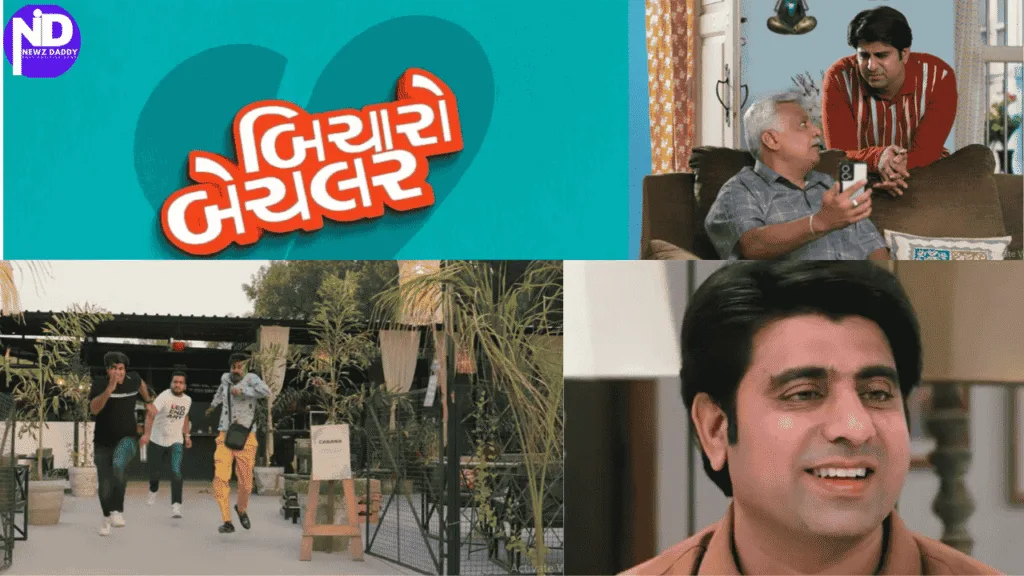
Bicharo Bachelor Gujarati Film Turns Marriage Pressure Funny
Newz Daddy Entertainment Updates
A Power-Packed Start to the New Year: Gujarati Film ‘Bicharo Bachelor’ to Release on January 1, Building Strong Audience Buzz
Gujarat: Bringing a refreshing dose of humour and family emotions to Gujarati cinema, Bicharo Bachelor is all set to entertain audiences. Written and directed by Vipul Sharma, the film is scheduled for a statewide theatrical release on January 1, 2026, and is already generating strong excitement among viewers. Blending comedy with family drama, the film promises to be highly relatable for bachelors and a nostalgic flashback for married audiences.
In recent years, Gujarati cinema has seen a steady rise in family-friendly films that mix humour with everyday social issues. Audiences have shown a strong preference for stories that can be watched together by all age groups. Films released during festive or holiday periods often see better footfall, as families look for light-hearted entertainment. A New Year release also helps a film benefit from extended holidays and celebratory moods, which can boost opening collections and word-of-mouth publicity across cities and small towns alike.
The story revolves around Anuj, a 28-year-old young man portrayed by popular actor Tushar Sadhu, who embarks on a fun-filled and emotional journey with his family to find the “perfect bride.” The film humorously highlights the social and family pressure faced by men who remain unmarried in their late twenties. Speaking about the theme, Tushar Sadhu shared that the film gives voice to every young man who is repeatedly asked the same question: “When are you getting married?”
This subject strongly reflects a common reality in many Indian households, especially in close-knit communities. Marriage is often seen as a milestone, and delays can invite constant questions from relatives and neighbours. Gujarati films that touch on such real-life experiences usually strike an emotional chord because viewers recognise their own lives on screen. Comedy helps soften the pressure-filled topic, making it easier for audiences to laugh at situations they face daily. Actors like Tushar Sadhu, known for relatable roles, often help viewers connect more deeply with such characters.
Produced by S. R. Patel and Raju Radia (Jersey City) under the banners of Veer Studios and Raju Radia Productions, the film is co-produced by Dr Jayesh Patel (Jersey City) and Nikhil Raikundalia (Jersey City). Along with Tushar Sadhu, the film features Prashant Barot, Jay Pandya, Jaimini Trivedi, and Sahil Patel in key roles. Adding to its charm, the film also stars nine talented actresses, including Twinkal Patel (Kachhadia), Riddhi Dangar, Shivani Pancholi, Madhavi Patel, Teertha, Krina Pathak, Shivangi Nayak, Khushbu Trivedi, and Aanchal Shah, who bring multiple twists and waves of laughter to the narrative.
Gujarati cinema has long benefited from strong ensemble casts, where supporting characters play a major role in driving humour and emotion. Films with multiple female characters exploring different personalities often add freshness and unpredictability to the story. This approach also reflects changing times, where women’s voices and choices are given more space on screen. Backing from overseas Gujarati producers has become increasingly common, helping films achieve better production quality and wider promotion while still staying rooted in local culture.
Director Vipul Sharma believes that Bicharo Bachelor is a film that audiences across generations will connect with, as it sensitively portrays not only male perspectives but also the expectations of women and broader social realities. Releasing during the wedding season, the film promises wholesome family entertainment and is expected to be a delightful watch for marriage-ready youngsters and their families alike.
Films released during the wedding season often gain added relevance, as discussions about marriage are already prevalent in many homes. Stories that show both sides of expectations, from parents, children, and potential partners, feel more balanced and mature. Gujarati audiences have repeatedly supported films that respect family values while gently questioning social norms. By focusing on humour instead of heavy drama, such films encourage conversation without sounding preachy. This balance is one of the key reasons why similar family entertainers have enjoyed long theatrical runs in the past.