


Diwali Healthcare Support Guides Ahmedabad Patients for 7 Days
Doctor on Call Service Handles Over 80 Calls During Ahmedabad’s Diwali Holidays
Ahmedabad’s annual Diwali holiday period brought an additional responsibility for local doctors, as many private clinics remained closed and residents needed medical help. A telephone-based service run by the Ahmedabad Medical Association (AMA) and the Ahmedabad Family Physicians Association (AFPA) received more than 80 calls over seven days, covering medical emergencies, firecracker injuries, fractures and common illnesses.
The initiative, called Doctor on Call – Diwali Healthcare Support Initiative, operated during the Diwali holidays in November 2026. It offered free primary medical advice and emergency guidance to residents who needed help while regular outpatient clinics were closed.
Some calls required urgent action. Among them were suspected heart attack cases. Doctors assessed the callers’ complaints over the phone and directed them to nearby cardiac and emergency hospitals without delay. The service also dealt with four to five cases of firecracker injuries, for which callers received immediate first-aid advice and referrals to hospitals or specialists when required.
The most serious calls involved suspected cardiac emergencies, where a delay in reaching a hospital can put a patient’s life at risk. Heart attack symptoms can include chest discomfort, breathlessness, pain in the arms or jaw, sweating and nausea. Medical experts advise people to seek emergency help immediately rather than wait for symptoms to settle. The doctors’ decision to direct suspected cases to emergency hospitals was therefore an important part of the service.
The festival also brought injuries linked to firecrackers. Four to five such cases were reported during the week. Callers received first-aid instructions and were directed to specialists or hospitals when further treatment was needed. Firecracker injuries can range from minor skin burns to serious damage to the eyes, hands and face. The World Health Organisation advises cooling thermal burns under cool running water for around 20 minutes, where safe, and seeking medical attention for serious burns. It also warns against applying toothpaste, oils, butter or ice to the injured area.
A couple of fracture cases also came to the attention of the doctors. The patients and their families were worried, and the medical team provided reassurance and guidance on the next steps for treatment.
Most calls, however, concerned everyday health problems. Fever, cough, cold and stomach disorders accounted for the larger share of enquiries. These conditions can affect people during festival holidays because of changes in food habits, travel, crowded gatherings and exposure to seasonal infections. Doctors assessed the complaints over the telephone and advised callers on what to do next.
The service worked through primary medical coordinators who received calls and connected patients with doctors from the relevant medical fields. More than 80 doctors from different specialities supported the coordinators during the programme. This arrangement allowed the team to direct patients towards suitable medical care when a problem required attention beyond basic telephone advice.
The Doctor on Call programme has been running for more than a decade. Records published in the Ahmedabad Medical Association’s October 2024 bulletin described it as a project that had started 13 years earlier. The bulletin also identified the Ahmedabad Family Physicians Association as its partner.
The earlier arrangement followed a simple process. Patients contacted an area coordinator, who then directed them to an available doctor or hospital according to their medical needs. Telephone advice was provided free of charge, while patients requiring consultations or hospital treatment were subject to the usual charges.
The 2026 programme continued this system during the seven days from 7 to 13 November. Its importance becomes clear during major festivals, when many families travel, regular clinics may close and access to their usual doctors can become difficult.
For patients with minor illnesses, a telephone consultation can help them understand what steps to take. It can also help doctors identify complaints that need an in-person examination. However, a telephone conversation cannot replace physical tests, hospital treatment or emergency medical care.
India also has a national emergency response number, 112, operated under the Ministry of Home Affairs’ Emergency Response Support System. People can use it to seek help during medical and other emergencies. The system connects emergency calls with the relevant response services. Residents should not wait for a routine medical consultation when someone shows signs of a life-threatening condition.
The Ahmedabad initiative serves a different purpose by giving residents access to medical professionals who can assess their complaints over the phone and guide them towards suitable treatment.
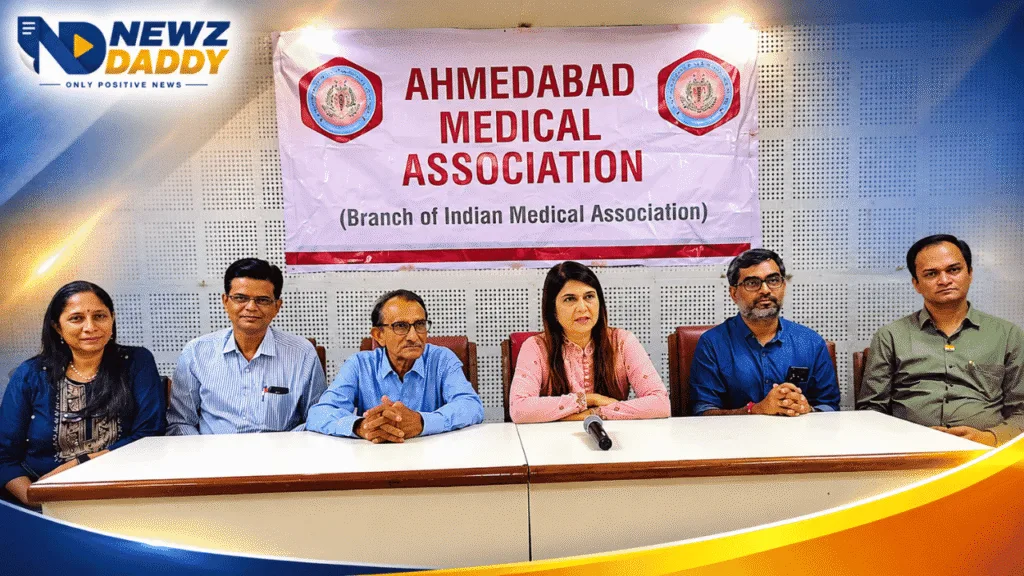
The programme was jointly organised by the Ahmedabad Medical Association and the Ahmedabad Family Physicians Association.
Dr Kalpita Dave, President of AMA, and Dr Maulik Sheth, Honorary Secretary of AMA, were among the association representatives associated with the initiative. Dr Ramesh I. Patel, President of AFPA, and Dr Mehul Shelat, Honorary Secretary of AFPA, represented the partner organisation.
Their associations brought together doctors from different medical specialities to support the service. The primary coordinators handled incoming calls, while the wider medical team provided support according to the nature of each complaint.
The figures from the 2026 programme offer a useful picture of the medical needs reported by residents during the Diwali break. More than 80 calls were handled in seven days. These included suspected heart attacks, firecracker injuries, fractures and common seasonal illnesses.
The number of calls also shows why access to medical advice during public holidays remains a concern for families. A person who develops a fever or stomach problem may need basic guidance, while someone experiencing chest pain or a serious injury may require immediate hospital attention.
The service gave residents a way to speak to doctors when their regular outpatient clinics were closed. Its work also showed the importance of having a system to direct serious cases towards hospitals instead of relying on telephone advice alone.
For Ahmedabad’s residents, the Diwali edition of Doctor on Call once again provided a medical contact point during the festive break. Its record of more than 80 calls, including emergency cases, adds to a programme that has continued for over a decade through the joint efforts of the city’s medical associations.