


Doctors back Integrated Ayurveda in the modern healthcare revolution
Ahmedabad forum pushes Integrated Ayurveda in modern healthcare with expert support
Ahmedabad hosted an important healthcare discussion on 12 January 2025 when the American Association of Physicians of Indian Origin, working with Cadila Pharmaceuticals, organised the forum titled “Vishwa Ayurved Samvad”. The aim was to explore how Ayurveda can work alongside modern medicine as a healthcare system, especially in the United States, which faces rising costs and growing pressure from chronic diseases. The event brought together doctors, researchers and industry leaders who believe that healthcare needs a more balanced and preventive approach.
Healthcare spending in the United States has become a major concern over the past two decades. Nearly 18 per cent of the country’s total economic output now goes towards healthcare. A large share of this spending is linked to long-term illnesses such as diabetes, heart disease, obesity and stress-related disorders. These conditions often need lifelong treatment, frequent hospital visits and expensive medicines. Experts at the forum pointed out that while modern medicine is strong in emergency care and advanced procedures, it often reacts to illness rather than stopping it early. This is where Ayurveda’s focus on daily habits, diet, mental balance and early prevention can add value.
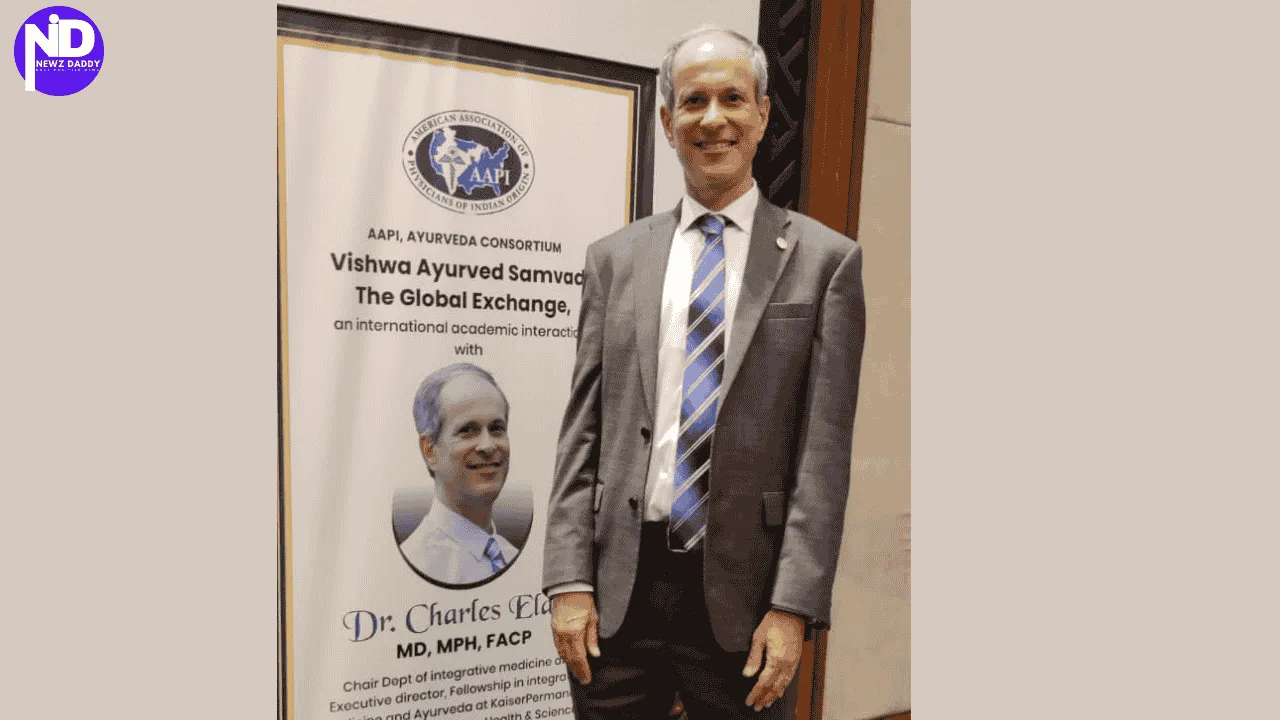
Dr Charles Elder, a global leader in integrative medicine and Executive Director of the Fellowship in Integrative Medicine and Ayurveda at Maharshi International University, spoke about the need for structured learning. Integrative medicine is already gaining acceptance in many Western countries, especially in areas such as pain management, mental health and lifestyle disorders. Dr Elder explained that Ayurveda should not be treated as an alternative belief system, but as a body of knowledge that can be studied, tested and applied scientifically. He stressed that proper training for licensed doctors is key, so that patients receive safe and informed care.
In the United States, medical education is highly regulated, and any new system must meet strict standards. This makes formal frameworks, research-backed courses and institutional support very important. Interest in Ayurveda has grown steadily, especially after the success of yoga, which is now widely practised in schools, hospitals and wellness centres across the country. Speakers noted that yoga’s journey shows how traditional Indian knowledge can find a global place when it is explained clearly and supported by research.
Dr Amit Shah, Chairman of AAPI’s Ayurveda Consortium, highlighted that the debate is not about choosing one system over another. Many patients today already use a mix of treatments, including medicines, diet changes and stress management techniques. He explained that the real goal is patient well-being. If a method helps people live healthier lives and reduces complications, it deserves attention. Rising medical bills and repeated treatments have forced policymakers and doctors in the US to look for smarter and more sustainable solutions.
The Consortium’s work on education, research and quality products reflects global trends in healthcare. Countries are investing more in preventive care because it lowers costs in the long run. Studies around the world show that lifestyle changes can delay or even prevent many chronic illnesses. Ayurveda’s strength lies in this area, as it focuses on maintaining balance before disease takes hold. At the same time, speakers agreed that emotional attachment to tradition is not enough. Scientific validation and strict quality control are essential.
Quality concerns were discussed openly during the forum. In the past, some Ayurvedic products faced criticism due to contamination or inconsistent ingredients. Such issues have affected trust, especially in regulated markets like the US. Participants agreed that strong regulation, modern testing methods and cooperation between doctors, scientists and manufacturers are needed. The formation of a state-level working group in Gujarat is seen as a positive step. By bringing together practitioners from both allopathy and Ayurveda, along with researchers and industry experts, the group aims to develop products and practices that meet global safety standards.
Dr Manjul Joshipura, President of Cadila Pharmaceuticals, spoke about the responsibility of the industry. International acceptance depends heavily on quality, safety and transparency. Pharmaceutical companies already follow strict rules for modern medicines, and similar discipline is needed for Ayurvedic products meant for global markets. Building trust takes time, but it is necessary if Ayurveda is to be part of mainstream healthcare beyond India.
The forum also reflected a wider shift in public thinking. Patients today want treatments that address the root cause of illness, not just symptoms. Mental health, stress, sleep and diet are now recognised as key parts of overall health. Integrated care models, which combine the strengths of different systems, are being tested in hospitals and clinics worldwide.
By bringing this discussion to Ahmedabad, AAPI and Cadila Pharmaceuticals highlighted India’s role as both a source of traditional knowledge and a hub for modern healthcare research. The presence of scholars and practitioners from different medical backgrounds showed that meaningful dialogue is possible. The event made it clear that Ayurveda’s future in modern medicine depends on education, evidence and quality, not on claims alone. As healthcare systems search for affordable and effective solutions, such conversations are likely to become even more important.
Must Read:
Electro-Homoeopathy Gets Spotlight at Powerful GUJEHCON 2026