


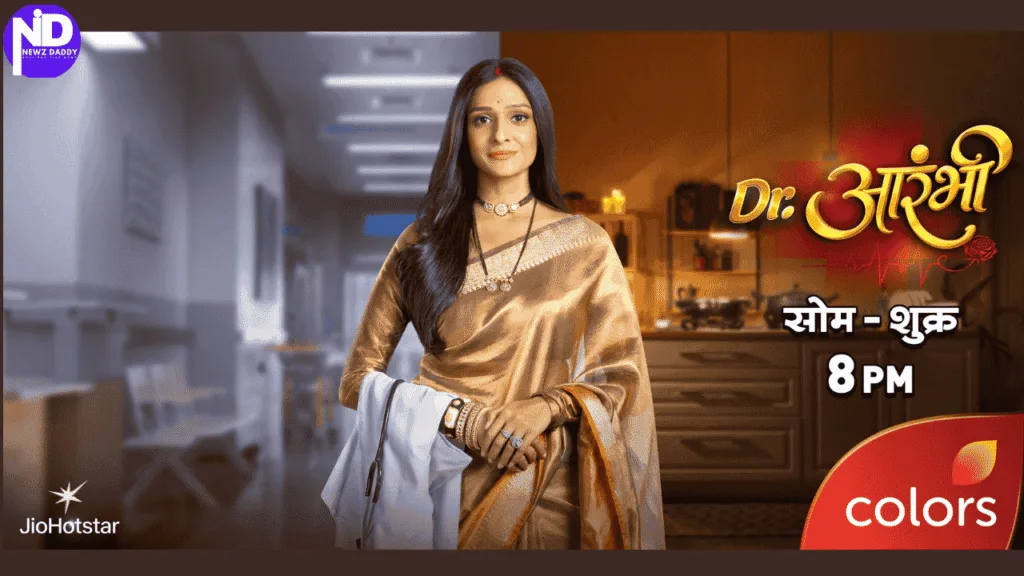
Dr Aarambhi Comeback Journey Redefines Strength on TV
Newz Daddy Entertainment Updates
Dr Aarambhi’s comeback journey shows healing through purpose and courage
The launch of ‘Dr. Aarambhi’ on COLORS and JioHotstar arrives at a time when stories about women reclaiming their lives are finding a deeper connect with audiences. In recent years, Indian television has slowly begun to move away from one-note portrayals of sacrifice and endurance, and viewers have shown strong support for characters who question unfair family systems and fight for their own space. This shift reflects real conversations happening in homes across the country, where women are openly discussing identity, mental health, and the cost of constant compromise.
At the centre of this story is Dr Aarambhi Balbir Chaudhary, played by Aishwarya Khare. Her background as a gold medallist and an AIPMT topper is not just a detail, but a reminder of how many talented women step away from careers due to social pressure. Studies on women in medicine in India have often shown that marriage and family duties remain the biggest reasons for career breaks, especially in demanding professions like healthcare. The show mirrors this reality by showing how Aarambhi’s dreams are quietly sidelined, even though she has the skill and drive to succeed.
The idea of shaping a woman into the ‘perfect’ daughter-in-law or trophy wife is another theme that feels painfully familiar. Sociologists have long pointed out that praise for sacrifice often masks control and the loss of agency. In Aarambhi’s case, this grooming is done subtly, wrapped in tradition and expectations, making it harder for her to see what she is losing. Her journey reflects how emotional manipulation can be just as damaging as open cruelty, especially when it comes from people one trusts the most.
Dr Vishwas, portrayed by Aditya Redij, is a character audiences increasingly recognise in real life. Calm, respected, and outwardly progressive, such figures often escape scrutiny because their actions are not loud or violent. Psychologists describe this behaviour as gaslighting, where a person slowly makes their partner doubt their own judgement. By showing this dynamic clearly, the series helps viewers understand emotional abuse in simple, relatable terms, something that is still not widely discussed in everyday conversations.
The setback that Aarambhi faces becomes the turning point of the story. Popular storytelling research suggests that audiences connect most with characters who rise after failure, not those who succeed without struggle. Aarambhi’s choice to fight back rather than break fits into this pattern. Her return to medicine is especially meaningful, as doctors are often seen as healers for others but rarely shown healing themselves. The show uses her profession as a symbol of self-respect, independence, and purpose.
Her bond with her son adds another emotional layer. Child psychologists often stress that children learn values by watching how parents handle injustice. Aarambhi’s decision to stand up for herself is also a lesson for her child about dignity and courage. This angle makes the story less about personal revenge and more about breaking unhealthy cycles for the next generation.
The presence of Dr Avantika, played by Anjuum Faakih, adds complexity to the narrative. Modern dramas are moving away from clear heroes and villains, and Avantika fits into this grey space. She is ambitious and successful, yet emotionally vulnerable. Relationship experts often note that even confident people can make poor choices when seeking validation or love. By showing her inner conflict, the series avoids easy judgment and instead highlights emotional loneliness as a shared human experience.
The show’s core message, captured in the line “Bahut hua setback, ab hoga comeback,” taps into a wider cultural mood. Across social media and popular culture, stories of second chances and late success are gaining attention. Many viewers today relate more to comebacks than perfect beginnings, as life paths are rarely smooth or predictable.
With its weekday prime-time slot, ‘Dr. Aarambhi’ also reflects how television remains a powerful medium for social storytelling. Daily shows have the reach to spark discussion in living rooms, especially among families who may not seek out such themes elsewhere. By keeping the language emotional yet simple, the series opens the door for conversations about marriage, self-worth, and respect in a way that feels accessible.
Overall, ‘Dr. Aarambhi positions itself as more than just a drama. It draws from real social patterns, emotional truths, and lived experiences of many women. By blending personal struggle with professional identity, and pain with quiet strength, the show offers a grounded, human story about starting again, even when life seems to have taken everything away.