


Dussehra Ahmedabad: ISKCON Bhadaj Plans 60-Foot Ravan Burning
ISKCON Bhadaj to Celebrate Dussehra with 60-Foot Ravan Effigy on October 20
ISKCON Hare Krishna Mandir in Bhadaj will celebrate Dussehra on Tuesday, October 20, with the burning of a 60-foot effigy of Ravan, along with figures of Kumbhakarana and Meghnath. The evening programme will include a golden chariot procession for the temple deities, Ram Darbar darshan, a religious fire ritual and a presentation of the Ramayana story.
The celebrations will take place at Hare Krishna Mandir, opposite Ahmedabad Dental College, near Science City in Bhadaj. The temple has planned activities throughout the day, with darshan and Ram Darbar arrangements available from 7.15 am to 9 pm. The Swarna Rathotsav, or golden chariot festival, is scheduled for 6 pm, followed by Ravan Dahan at 8 pm and Maha Arati at 8.15 pm.

The organisers said skilled workers from Uttar Pradesh have been preparing the effigies, with work on the arrangements under way for about a month. Fireworks are also planned during the burning ceremony.
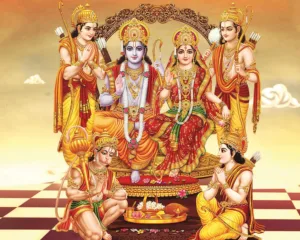
A specially decorated Ram Darbar, featuring flowers and images of Lord Rama, will be set up inside the temple for devotees. The programme will also include Rama Taraka Yagna, a fire ritual conducted as an offering to the temple deities. Bhajans and kirtans praising Lord Sita Ram will be sung throughout the day.
The planned events combine worship with a public celebration of Lord Rama’s story. The burning of Ravan’s effigy is expected to draw families and other visitors who observe Dussehra through religious ceremonies and cultural performances.
The temple’s schedule gives visitors several opportunities to take part in the celebrations. Those attending the evening programme can arrive for the chariot procession at 6 pm, while the main effigy-burning ceremony is due to begin two hours later.
Dussehra, also known as Vijayadashami, falls on October 20 this year across much of India. It marks the end of Sharad Navratri, the nine-night festival dedicated to Goddess Durga. The festival carries different traditions across the country, with the burning of Ravan’s effigy among the best-known customs in many northern and western regions.
In the Ramayana, Lord Rama defeats Ravan, the king of Lanka, after Ravan abducts Sita. People remember the victory as a triumph of righteousness over wrongdoing. Dussehra is also linked to Goddess Durga’s defeat of Mahishasura, a demon whose defeat represents the victory of divine power over evil.
The festival takes different forms across India. Gujarat celebrates Navratri with Garba and Dandiya Raas, while many communities in northern India organise Ram Lila performances and burn effigies of Ravan. In Mysuru, Karnataka, Vijayadashami is marked by a traditional procession. These customs reflect the many regional ways in which people observe the same festival.
At Bhadaj, the planned Ram Darbar, chariot procession, prayers and Ravan Dahan will bring these religious traditions together in a single programme.
His Grace Shri Jaganmohan Krishna Das, president of ISKCON Hare Krishna Mandir, Bhadaj, said the celebrations are intended to help people understand the festival’s moral message and remain connected with their religious traditions.
“Dussehra is a major Festival celebrated in India, marking the end of 9 days of fasting period of Navratri. The day is celebrated to commemorate the killing of the demon king Ravana by Lord Rama as well as the killing of the demon Mahishasur by Goddess Durga. So basically, the day celebrates the victory of good over evil. Through these celebrations, we try to instil moral values within society and make people appreciate the rich culture and tradition to which we belong. We endeavour to create pleasant memories for our devotees by organising celebrations on a grand scale, which they shall cherish all their lives and which will give them reasons to come back to the temple again and again and stay connected with God.”
He also spoke about the wider role of temples in society, referring to religious education and the distribution of prasadam, or food offered to the deities.
“As per the Vedic culture, temples have a very significant and indispensable role to play in society. Temples are not limited to just the worship of the Lord but are active epicentres of distribution of spiritual knowledge and spiritual food (prasadam). If all the temples take up these responsibilities, then our society will be elevated back to its glorious material and spiritual prosperity.”
ISKCON, the International Society for Krishna Consciousness, was founded in New York in 1966 by A. C. Bhaktivedanta Swami Prabhupada. The movement centres on devotion to Lord Krishna, the study of Hindu scriptures and congregational chanting. Its temples also organise religious gatherings, educational programmes and community services.
Hare Krishna Mandir in Bhadaj celebrates several festivals each year, including Sri Krishna Janmashtami, Sri Rama Navami, Diwali, Govardhan Puja, Holi, Gaura Purnima and Gita Jayanti. The temple’s activities cover worship, cultural programmes and community gatherings.
The Dussehra programme will be held at Hare Krishna Mandir, opposite Ahmedabad Dental College, near Science City, Bhadaj, Ahmedabad.
Ram Darbar darshan will remain available from 7.15 am to 9 pm on October 20. The Swarna Rathotsav is scheduled for 6 pm, Ravan Dahan for 8 pm and Maha Arati for 8.15 pm.
Visitors planning to attend the evening events should account for possible crowds around the effigy-burning area. The organisers have announced fireworks as part of the programme, so attendees should follow instructions from temple staff and remain within designated viewing areas.
The celebrations will allow devotees to observe Vijayadashami through prayer, the Ramayana tradition and the annual burning of Ravan’s effigy. For the temple, the occasion also forms part of its yearly programme of religious and cultural events in Ahmedabad.