


Electro-Homoeopathy Gets Spotlight at Powerful GUJEHCON 2026
Electro-Homoeopathy conference links tradition with modern healthcare needs
A regulatory act in Gujarat could improve access to affordable care while ensuring proper control. GUJEHCON-2026, therefore, is not just a celebration but it is a request to the Gujarat government to implement a regulatory act and possible policy change, with public interest placed.
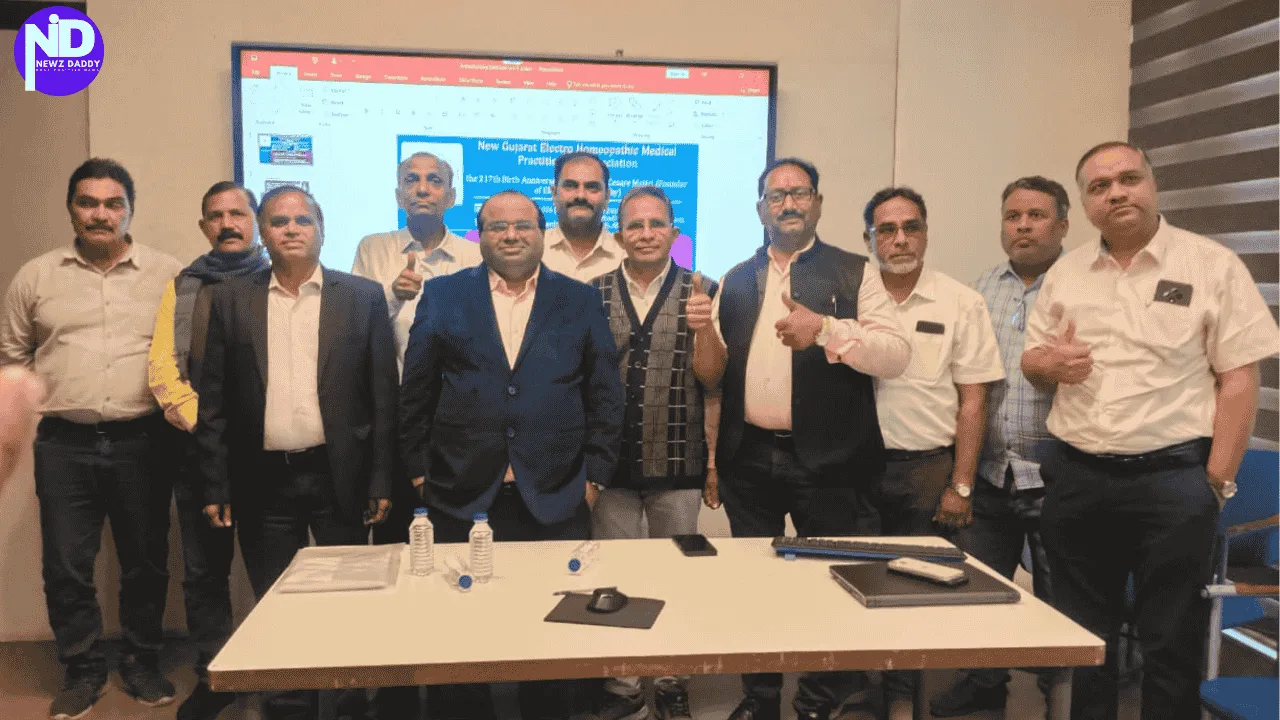
The Electro-Homoeopathy conference and felicitation ceremony ‘GUJEHCON-2026’, organised on the 217th birth anniversary of Dr Count Cesare Mattei, comes at a time when public interest in safe and affordable healthcare is steadily rising. Across India, many families are looking for treatment options that are natural, low-cost, and easy to access. Events like this conference help bring lesser-known medical systems into public discussion in a structured and responsible way.
The organisers, New Gujarat Electro-Homoeopathic Medical Practitioners Association, have clearly placed strong importance on the role of the media. In any democracy, health awareness grows only when accurate information reaches people in simple language. Historically, many health movements gained momentum only after journalists highlighted patient experiences, scientific discussions, and policy gaps. This conference follows the same path by inviting media to observe and report on a system that claims to be plant-based and safe.
The continuation of the conference of Electro-Homoeopathy GUJEHCON after last year’s success suggests growing confidence among practitioners. Conferences that repeat annually usually indicate stable participation and increasing interest. In the medical field, such continuity allows doctors to compare results, share case studies, and improve methods over time. It also helps younger practitioners learn directly from senior doctors, which strengthens any treatment system.
The scientific sessions planned for the afternoon focus on recognition, history, and correct medicine use. These topics are important because official recognition of any medical system requires clear standards. In India, structured criteria are used to judge education, safety, and clinical practice. Open discussions on such criteria show an effort to align the system with national expectations rather than working outside them.
The historical discussion linking Hippocrates, Hahnemann, and Dr Mattei reflects a broader truth about medicine. Many modern systems grew from older ideas that focused on balance in the body. Even today, doctors agree that long-term health depends on maintaining internal balance. By placing Electro-Homoeopathy within this historical flow, practitioners aim to show that it is not a sudden or random idea, but part of a long tradition of natural healing.
Correct medicine selection is another key area. In all medical systems, wrong medicine or dosage can reduce trust and results. Emphasising scientific methods for medicine choice suggests a move towards more standardised practice. Patients usually feel safer when treatment follows clear rules rather than guesswork, especially when medicines are meant for long-term use.
Electro-Homoeopathy is described as fully plant-based and side-effect-free. Plant-based medicines have been used worldwide for centuries, and many modern drugs are also derived from plants. While results depend on proper preparation and use, public interest in herbal and natural products has grown due to concerns about chemical side effects. This makes the system more relevant in today’s health discussions.
The explanation of Electro-Homoeopathy’s name helps clear common confusion. Many people assume it involves electricity, which often leads to misunderstanding. By explaining bio-energy and homeostasis in simple terms, the system becomes easier to understand for ordinary readers. Clear language is especially important when introducing health concepts to the public.
The focus on blood and lymph is also notable. Modern medicine recognises the role of blood in carrying oxygen and nutrients, and lymph in supporting immunity. Any system that aims to improve these functions naturally attracts attention. When explained carefully, such ideas help people understand how treatments claim to work, even if they choose to learn more before trying them.
The spagyric method of medicine preparation has historical roots in Europe. It focuses on extracting useful elements from plants while removing unwanted parts. Such methods are often highlighted to show that preparation is done carefully and not casually. For patients, this provides reassurance about quality and safety.
The difference between Electro-Homoeopathy and Homoeopathy is another important point. Name confusion often leads to misinformation. A clear explanation helps patients make informed choices and prevents false assumptions. In healthcare, clarity builds trust, especially when multiple systems exist side by side.
Rajasthan’s legal recognition stands out as a major reference. When one state passes a law and sets up a board, it often becomes a model for others. Legal frameworks help protect patients, regulate practitioners, and set education standards. This step is often seen as necessary before wider acceptance can happen.
The mention of equal professional status shows why practitioners are hopeful. Recognition brings dignity, legal safety, and accountability. For patients, it also means clearer ways to verify who is qualified and who is not.
Finally, the appeal to the Gujarat Government reflects a forward-looking vision. Gujarat is known for policy innovation, and health reforms are closely watched nationwide. A regulatory act could improve access to affordable care while ensuring proper control. GUJEHCON-2026, therefore, is not just a celebration but a platform for dialogue, awareness, and possible policy change, with public interest placed at the centre of the discussion.