


Fadnavis Opens Dharavi Experience Centre on Gandhi Jayanti
Dharavi Experience Centre Opens in Mumbai as Maharashtra Government Presents Redevelopment Plan
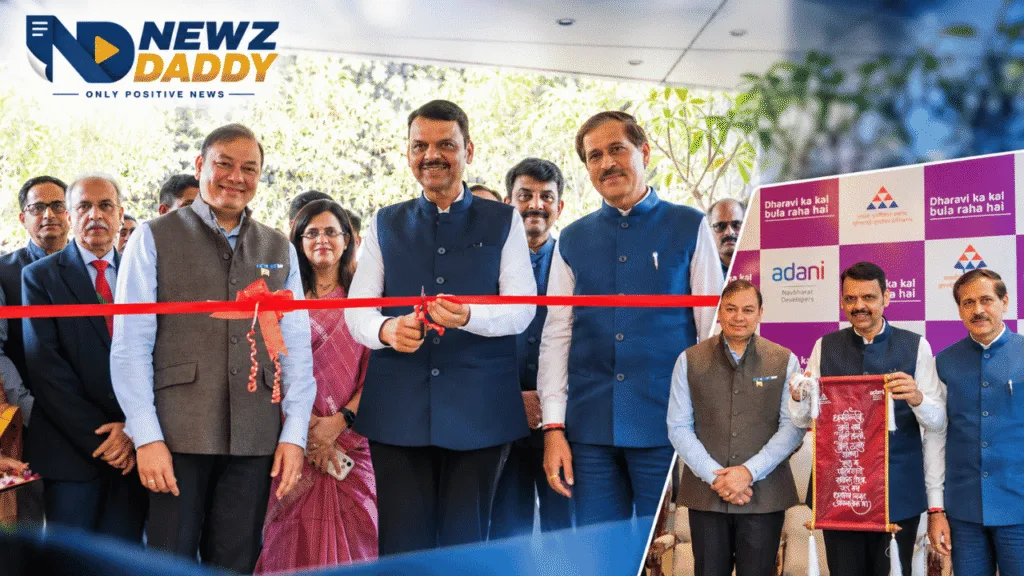
Maharashtra Chief Minister Devendra Fadnavis inaugurated the Dharavi Experience Centre on Gandhi Jayanti, giving residents a chance to see sample homes and explore the proposed redevelopment of one of Asia’s largest informal settlements.
The 22,500-square-foot centre features life-size models of 350-square-foot rehabilitation homes and 500-square-foot renewal apartments. Visitors can also take a 3D virtual tour of the proposed township and view displays about Dharavi’s history, businesses and role in Mumbai’s economy.

The inauguration, held on Mahatma Gandhi’s 157th birth anniversary, also saw Fadnavis unveil an anthem dedicated to Dharavi and release a coffee table book celebrating the neighbourhood and its more than one million residents.
The centre is designed to explain how the redevelopment plan could change housing, transport, public facilities and the spaces where people work. Residents can walk through furnished and unfurnished sample apartments to see the proposed layouts and get a better idea of the homes planned under the project.
The plan covers a large part of Dharavi, where homes and small businesses often operate side by side. Pottery, leather work, garment production, recycling and other small industries have supported generations of families. Many workers also depend on the neighbourhood for affordable accommodation close to their jobs.
Keeping these livelihoods in place is one of the main issues facing the redevelopment. A change in housing arrangements can affect shopkeepers, workshop owners, home-based workers and people who rely on nearby customers. The proposed plan seeks to retain the connection between homes and workplaces while improving living conditions.
Eligibility remains an important concern for residents. People living on upper floors, families who arrived after specified cut-off dates and households with different types of occupancy may face different rehabilitation conditions. The Maharashtra government has introduced provisions for some residents who do not qualify for free homes, including affordable rental housing arrangements. Survey records and documents will play a major role in deciding who qualifies for each benefit.
The redevelopment also includes plans for schools, hospitals and other healthcare facilities, places of worship, public transport, parks and community spaces. A proposed Multimodal Transport Hub is expected to bring different transport services together, making travel easier for people living and working in Dharavi and other parts of Mumbai.
Another part of the plan focuses on the Mithi River, which runs through parts of Mumbai and has faced years of pollution and pressure from urban development. The Dharavi proposal includes work to rejuvenate the river, plant around 40,000 trees, and develop a 3.3-kilometre public riverfront. Parks and other open spaces are also included in the plan.
These proposals could change the amount of public space available to residents. Their actual benefits will depend on how the work is carried out, how well the new facilities are maintained and whether residents can use them without difficulty.
The Dharavi Experience Centre also has digital displays and assisted information services to explain the survey process, eligibility conditions, documents required and rehabilitation procedures. These services are intended to help residents understand the rules and find information about their individual cases.
The need for clear information is particularly important because Dharavi has a large and varied population. Families have lived in the area for generations, while others have moved there in search of work. Residential structures, workshops and commercial establishments have developed over many years, creating different ownership, tenancy and occupancy arrangements.
The government’s own project records show the scale of the work involved. Earlier surveys identified tens of thousands of residential and commercial units, while the current survey process continues to record homes and occupants. The numbers matter because rehabilitation decisions must account for the people and businesses that already occupy the area.
The project has also faced delays and disagreements over land, eligibility and the treatment of residents. The inclusion of railway land has been one of the issues addressed through agreements with the Railway Land Development Authority. In addition, plans to accommodate some households outside Dharavi have raised questions about how far people may have to travel for work, education and other daily needs.
For residents, the redevelopment will be judged by what happens to their homes, income and access to services. A new apartment may provide better facilities, but families who depend on ground-floor shops or workshops will also need suitable places to continue their work. The arrangements for moving people during construction and maintaining access to customers will remain important parts of the process.
The inauguration of the Dharavi Experience Centre gives residents a physical space to examine the proposed housing and see the government’s plans in a more direct way. The 3D walkthrough and apartment models offer a picture of what the future neighbourhood could look like, while the information services provide details about the procedures involved.
However, the centre presents the proposed design. The final results will depend on construction, rehabilitation decisions, public infrastructure and the ability of the project authorities to address residents’ concerns.
As Dharavi enters another stage of its long redevelopment process, the experience centre provides a public view of the plans. The larger test will come when the proposals move from displays and sample apartments to actual homes, working spaces and public facilities for the people who call Dharavi home.
Must Read:
Dharavi – Revitalising the Soul of Mumbai: A Human-Centric Transformation