


India Port of Refuge boosts safety on the Ahmedabad coast
India Port of Refuge Delivers Fast, Safe and Reliable Emergency Help
Adani Ports and Special Economic Zone Ltd (APSEZ) has taken a major step by setting up India’s first Port of Refuge, a move that many experts have been discussing for years. Around the world, countries with busy shipping lanes already have such systems in place. They are seen as a basic safety net for ships in trouble. In India, the absence of this system often meant that vessels facing emergencies had to struggle without a clear place to go. This new step brings India closer to global maritime safety standards followed by organisations like the International Maritime Organisation.
A Port of Refuge is not just a safe parking spot for ships. It is a carefully planned system. When a vessel faces issues like fire, collision, or engine failure, quick action is needed. Studies in maritime safety journals show that delays in handling such situations can turn small problems into major disasters. Oil spills, cargo loss, and even loss of life can happen if ships are left stranded. Countries in Europe and East Asia have reduced such risks by using Ports of Refuge, where trained teams and equipment are ready at all times.
India’s long coastline, which stretches over 11,000 kilometres, makes this move even more important. The country sits along some of the busiest trade routes in the world. Thousands of ships pass through these waters every year. Reports from global shipping bodies suggest that traffic in the Indian Ocean region is expected to grow further in the coming decade. With more ships comes a higher risk. This is why experts have often called for stronger emergency systems along India’s coast.
APSEZ has chosen two key locations for this initiative: Dighi Port on the west coast and Gopalpur Port on the east coast. These are not random choices. Dighi Port is close to major routes connecting the Arabian Sea and the Persian Gulf, where a large part of the world’s oil trade moves. On the other side, Gopalpur Port sits near the Bay of Bengal, which connects to the Malacca Strait, one of the busiest shipping lanes in the world. By placing Ports of Refuge in these areas, India can cover both western and eastern maritime traffic effectively.
The facilities planned at these ports go beyond basic rescue. They include firefighting systems, pollution control tools, and salvage operations. Maritime case studies often show that oil spills are one of the biggest threats during ship accidents. Cleaning them becomes harder if not handled quickly. Having pollution containment systems ready at the port can reduce long-term damage to marine life and coastal communities. Fishing industries, which depend heavily on clean waters, also benefit from faster response.
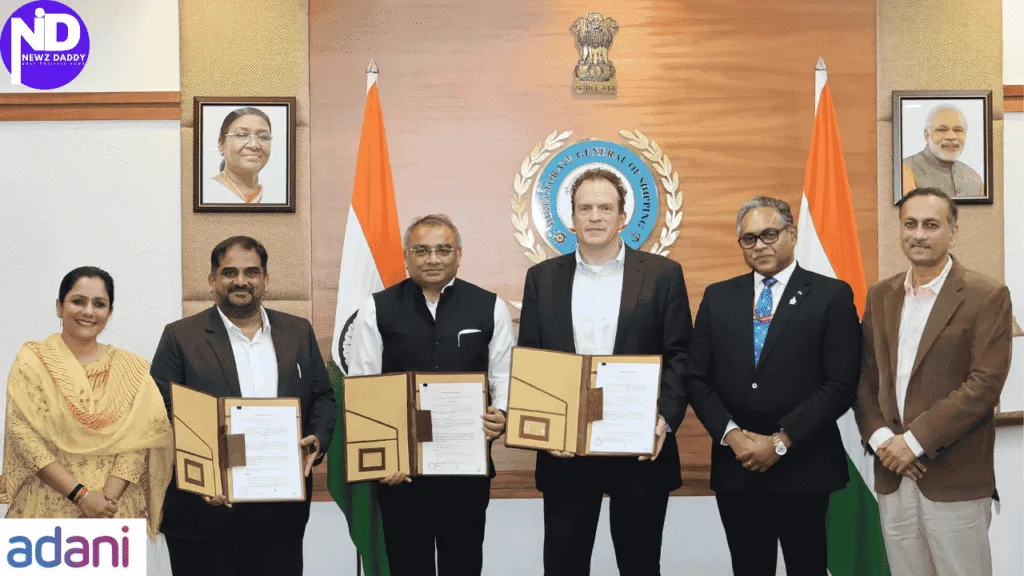
A strong part of this initiative is the partnership with global experts. The agreement with SMIT Salvage and Royal Boskalis Westminster N.V. brings years of experience in handling maritime emergencies. SMIT Salvage has worked on some of the world’s most complex rescue operations. Their role ensures that India is not starting from scratch but is learning from global best practices. The involvement of the Maritime Emergency Response Centre (MERC) adds another layer of coordination, which is often the key factor in saving time during emergencies.
Another important aspect is insurance and liability. Ships insured under the International Group of Protection and Indemnity Clubs follow strict safety and risk rules. When Ports of Refuge are available, insurers are more confident that damages can be controlled. This can also reduce costs in the long run and improve trust in India’s maritime system. Many global shipping companies prefer routes where emergency support is strong and reliable.
Officials have highlighted that this move is not just about safety but also about responsibility. Modern ports are expected to do more than handle cargo. They must protect people, the environment, and trade routes. Mr Ashwani Gupta of APSEZ pointed out that infrastructure must be matched with responsibility. This reflects a broader global trend where companies are being judged not only by growth but also by how they manage risks and protect the environment.
Government authorities have also supported the move. Shri Shyam Jagannathan, Director General of Shipping, noted that having a standard system will improve coordination during emergencies. This is important because maritime incidents often involve multiple agencies, including coast guards, port authorities, and environmental teams. A clear framework helps everyone act faster and in sync.
Environmental protection is another strong reason behind this initiative. Marine ecosystems are fragile. Even a single accident can harm wildlife, damage coral reefs, and affect coastal livelihoods. Research published in environmental journals shows that early intervention can reduce damage by a large margin. Ports of Refuge allow ships to be handled in controlled areas, reducing the spread of pollution.
In simple terms, this step strengthens India’s position in global shipping. It shows that the country is ready to handle not just trade but also the risks that come with it. As shipping traffic grows, such systems will become even more important. By setting up its first Port of Refuge, APSEZ has filled a critical gap and set an example for future maritime safety efforts in the country.
Must Read:
Adani Power 558 MW PPA Brings Big Relief to Tamil Nadu
Global Ability Photography Challenge 2026 Ahmedabad Inspires