


Indian Army Mandarin Course Sparks Pride and Progress
Newz Daddy Educational Updates
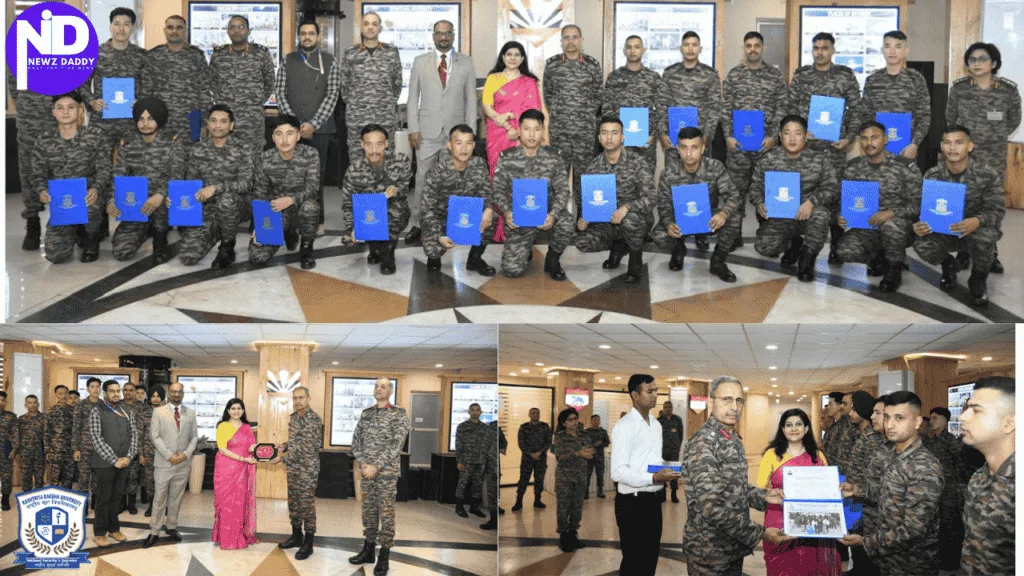
Eastern Command Hosts Valedictory Ceremony for Short-Term Intensive Elementary Chinese Language Course
The valedictory ceremony for the Short Term Intensive Elementary Chinese Language (Mandarin) Course, along with the presentation of course certificates to 20 army Jawans, was held at the Headquarters Eastern Command, Kolkata. This significant event underscored the Indian Army’s commitment to fostering linguistic skills and cultural understanding, which is essential for strategic international engagement. The ceremony was attended by officers of the Eastern Command, highlighting the importance placed on this initiative by senior leadership and emphasising the value of linguistic proficiency in modern military diplomacy.
The Indian Army has been focusing strongly on language learning over the past decade. With increased global interactions and multiple border touchpoints, knowing languages like Mandarin helps troops understand communication patterns, culture, and behaviour across the border. Mandarin is especially important because it is the most spoken language in the world and a key part of China’s strategic identity. Many global militaries, including those in the US, UK, Japan and Australia, run similar language courses to prepare their forces for geopolitical challenges.
The event commenced with the speech by Dr Aparna Varma, Director I/c SICSSL, who delivered an in-depth course report, sharing insights into the curriculum, student engagement, and the overall success of the programme. The report emphasised the importance of such language courses in equipping military personnel with the necessary skills to operate effectively in diverse international environments, especially in the context of evolving geopolitical dynamics.
Language training departments in universities and defence organisations often design such courses with a mix of classroom learning, cultural lessons, audio sessions and basic conversational drills. Research shows that soldiers who learn even elementary-level foreign languages develop sharper decision-making skills and better situational awareness. They can also understand intercepted communication or basic instructions, which becomes useful during peacekeeping missions, joint exercises, or border meetings.
The highlight of the ceremony was the presentation of certificates by Lieutenant General Ram Chander Tiwari, PVSM, UYSM, AVSM, SM, Commanding-in-Chief of Eastern Command. He congratulated the students and appreciated the efforts of the instructors, emphasising the strategic importance of mastering languages like Mandarin in today’s interconnected world. The certificates symbolise the successful completion of the rigorous programme, reflecting the dedication and hard work of the participants.
Senior Army officials across commands have repeatedly spoken about the importance of cultural intelligence (CQ) in modern warfare. CQ and language knowledge help reduce misunderstandings and build trust during international exchanges. In military diplomacy, small gestures like speaking a foreign language can open doors for smoother talks. This aligns with India’s growing role in regional security dialogues and international joint operations.
This course was part of a broader initiative to promote strategic communication and cultural exchange. The ability to communicate effectively in Mandarin will enhance the operational capabilities of the armed forces, facilitate diplomatic engagements, and contribute to strengthening military-to-military relations with China. The programme also aims to build bridges of understanding and foster peaceful cooperation in the region. The event concluded with a sense of pride and achievement among the participants, instructors, and senior officers. The successful completion of this course marks another step forward in the Indian Army’s effort to develop versatile, culturally aware, and strategically proficient personnel.
Across the world, defence forces invest heavily in language skills to support peace talks, border discussions, humanitarian missions, and training partnerships. India’s focus on Mandarin reflects its long-term aim to maintain stability along the northern borders and deepen communication with neighbouring countries. Such language courses also support international events, where Army personnel represent India on global platforms.
Must Read:
Constitution Day Inspires RRU Students to Stand for Equality