


Indian Army Saves 355 People During Gujarat Flood
Indian Army Deploys Seven Rescue Columns Across Gujarat And Silvassa Flood Zones
Heavy rain has triggered large-scale flood relief work across parts of Gujarat and the Union Territory of Dadra and Nagar Haveli, with the Indian Army continuing rescue and humanitarian operations that began on the evening of 23 July 2026. Acting under the Southern Command, Army teams have been working alongside the National Disaster Response Force (NDRF), State Disaster Response Force (SDRF), local authorities, police and other emergency agencies to reach people stranded by rising water.
The flooding followed days of persistent rainfall that affected several districts, cutting off roads, surrounding homes and disrupting normal life. As rescue efforts entered another phase, the focus remained on reaching isolated communities, moving families to safer locations and providing essential supplies until conditions improve.
The Army has deployed seven specialised Relief and Rescue Columns across the affected region. These teams include engineers, who help restore access and deal with damaged infrastructure, and medical personnel trained to provide emergency treatment in disaster situations.

According to official information, two Army columns are operating in Navsari district, while one has been positioned in the Valsad and Vapi region. Three more columns have been assigned to Ahmedabad, covering Ahmedabad city, Ahmedabad Rural and the Ahmedabad to Rajkot highway. Another column is carrying out operations in Silvassa, the administrative headquarters of Dadra and Nagar Haveli.
Military authorities have also kept additional relief and rescue teams on standby in Vadodara, Ahmedabad and Jamnagar. These reserve teams can be moved quickly if rainfall creates new emergencies or if more districts require immediate assistance.
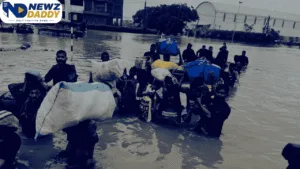
Since operations started on 23 July, Army personnel have rescued 355 stranded civilians. Many of those rescued had remained trapped inside flooded buildings or in villages that became difficult to reach after roads disappeared under water. Rescue teams have relied on specialised equipment and coordinated planning to move people safely from these areas despite fast-moving water and difficult weather conditions.
Medical teams deployed with the rescue columns have treated people needing immediate care, including those affected by exposure, exhaustion and other health concerns that often arise during floods. Relief teams have also supplied drinking water, food and other basic necessities to residents waiting for evacuation or for transport routes to reopen.
Flood response in India follows a multi-agency approach in which the armed forces support civil authorities when local resources come under pressure. The National Disaster Response Force, created in 2006 under the Disaster Management Act of 2005, is the country’s specialist disaster response organisation. State Disaster Response Forces work alongside district administrations, while the Indian Army is frequently called upon when large scale rescue operations require additional manpower, engineering support and logistical capability.
The Southern Command of the Indian Army regularly participates in Humanitarian Assistance and Disaster Relief, commonly known as HADR, operations. Besides responding to floods, these missions include assistance during cyclones, earthquakes, landslides and other natural disasters. Military engineers, transport units, communication specialists and medical teams are often deployed because they can operate in difficult conditions where normal transport and communication networks have failed.
Gujarat has experienced severe flooding on several occasions in recent decades, particularly during intense monsoon spells. Low-lying areas near rivers and coastal districts are especially vulnerable when heavy rainfall falls over a short period. Urban flooding has also become a growing concern in expanding cities where drainage systems face pressure during prolonged rain.
The current operation reflects the importance of coordination between multiple agencies during natural disasters. District administrations assess local conditions and identify areas requiring urgent help, while rescue teams from the Army, NDRF and SDRF work together to evacuate residents, deliver relief material and restore access wherever possible. Police personnel assist with traffic management, security and public safety, while health departments monitor the risk of waterborne diseases that often increase after floods.
Officials continue to monitor weather conditions closely as the monsoon remains active in parts of western India. Additional rainfall could affect rescue planning, making the availability of standby teams important for any fresh emergencies.
For families living in flood-affected districts, the priority remains immediate safety, access to food and clean drinking water, medical support and the gradual restoration of transport and communication links. As relief work continues, authorities are urging residents to follow official advisories, avoid flooded roads and cooperate with rescue personnel to reduce risks during the ongoing emergency.