


Indo-Swiss Blockchain Forum 2026 Boosts India’s Fintech Trust
Newz Daddy Educational Updates
Indo-Swiss Blockchain Forum 2026 brings regulators, experts and learners together
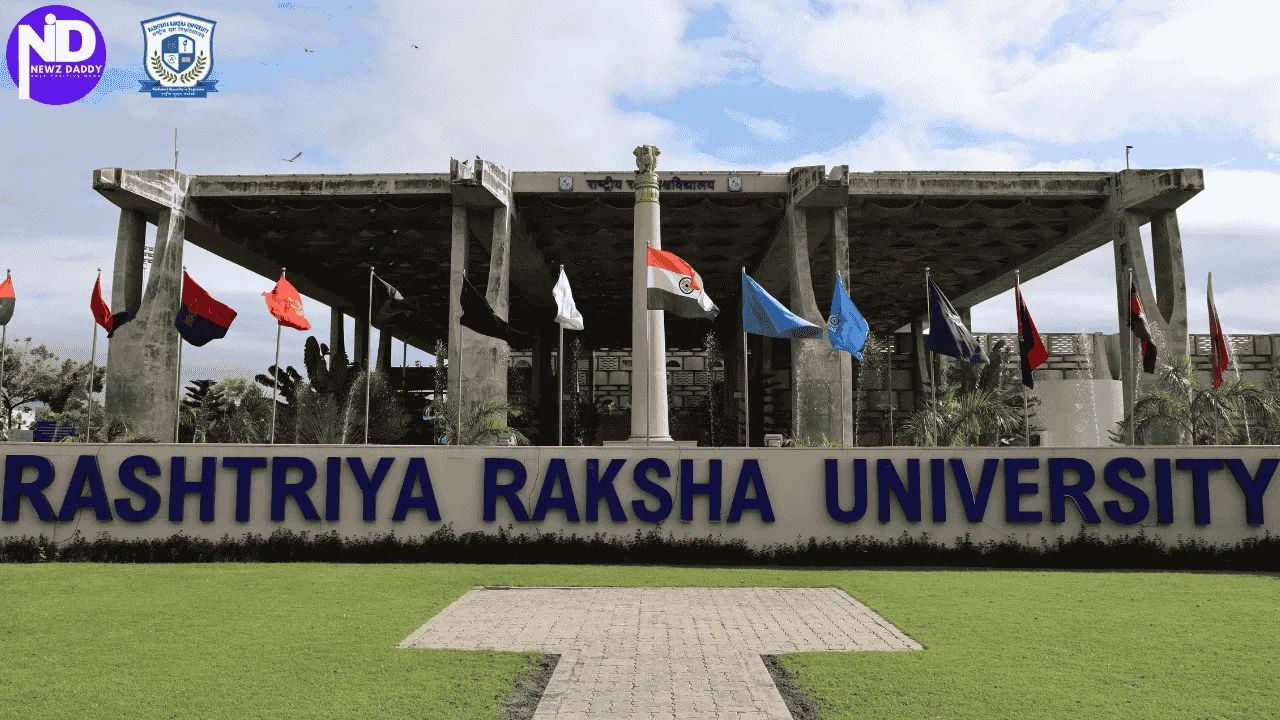
The announcement by the School of Applied Sciences, Engineering and Technology at Rashtriya Raksha University marks an important moment for India’s growing role in global digital technology. As an Institution of National Importance under the Ministry of Home Affairs, RRU has been steadily building a reputation for linking technology with national security, governance, and policy. Hosting the Indo-Swiss Blockchain Forum 2026 places the university firmly at the centre of serious international discussion on secure digital finance and emerging technologies.
The collaboration with the University of Zurich adds strong academic weight to the forum. UZH is widely respected for its work in blockchain research, especially through its long-standing blockchain centre and its links with the global industry. Switzerland itself is known as one of the most advanced countries for blockchain adoption, with clear laws and a strong culture of innovation. This partnership reflects a shared goal between India and Switzerland to build trusted and well-regulated digital systems.
By choosing Gandhinagar as the venue, the forum highlights Gujarat’s rise as a hub for education, policy, and technology. Gandhinagar already hosts major national institutions and financial regulators, making it a natural setting for a conference that deals with regulation, finance, and security. The three-day format allows participants enough time to move beyond basic ideas and engage deeply with real-world use cases and challenges.
The focus on blockchain and digital finance comes at a time when these technologies are no longer experimental. Around the world, banks, governments, and private companies are using blockchain to improve transparency, reduce fraud, and speed up transactions. In India, blockchain is being explored for land records, supply chains, identity systems, and cross-border payments. The forum’s aim to link innovation with security is especially relevant, as weak systems can expose nations to financial crime and cyber threats.
The presence of senior policymakers and academic leaders at the inauguration underscores the event’s seriousness. Leaders such as Bimal N. Patel and Claudio J. Tessone represent two different but complementary strengths: governance and deep research. Their involvement signals that blockchain is not just a technical topic but also a matter of policy, trust, and long-term planning.
The participation of India’s top financial and regulatory bodies adds further credibility. Institutions like the Reserve Bank of India, Securities and Exchange Board of India, and International Financial Services Centres Authority play a key role in shaping how new financial technologies are allowed to grow. Their engagement shows that India is serious about creating rules that protect users while still encouraging innovation. For learners and professionals, this offers rare insight into how regulators think and work.
A major strength of the forum is its step-by-step approach to learning. By starting with Distributed Ledger Technology and tokenisation, participants gain a clear understanding of how blockchain works at a basic level. This is important because many misunderstand blockchain as only cryptocurrency, when in reality it is a broader system for recording and verifying data. Clear knowledge at this stage helps avoid confusion and hype.
Security is given strong attention through sessions on cryptography, wallets, and threat management. As digital assets grow, so do risks such as hacking, scams, and theft. Learning how secure wallets are built and how attacks happen helps participants understand why strong design and awareness are essential. This is especially important for institutions handling public money or sensitive data.
The detailed study of Bitcoin and other cryptocurrencies reflects their continued influence on global finance. Despite market ups and downs, cryptocurrencies have changed how people think about money, ownership, and value transfer. Discussions on mining and trading help separate facts from myths and give a realistic picture of both opportunities and limits.
Ethereum, smart contracts, and decentralised applications show how blockchain is moving beyond payments into services and automation. These tools allow agreements to run automatically without middlemen, but they also raise legal and technical questions. Addressing law, compliance, and risk alongside technology ensures a balanced view.
Topics such as DeFi, NFTs, and Real-World Assets highlight how digital systems are linking with traditional finance. At the same time, sessions on AML, crypto forensics, and FATF standards remind participants that strong controls are needed to prevent misuse. This balance between freedom and responsibility runs through the entire programme.
By covering DAOs, rollups, and CBDCs, the forum looks firmly to the future. Many central banks are already testing digital currencies, and discussions now will shape how these systems serve citizens safely. Overall, the Indo-Swiss Blockchain Forum 2026 reflects India’s clear intent to build a secure, open, and globally trusted digital economy, guided by knowledge, cooperation, and careful regulation.
Must Read:
Gujarat Police Recruitment Training Program Sparks New Hope
International Olympic Research Conference Brings the World to Gujarat