


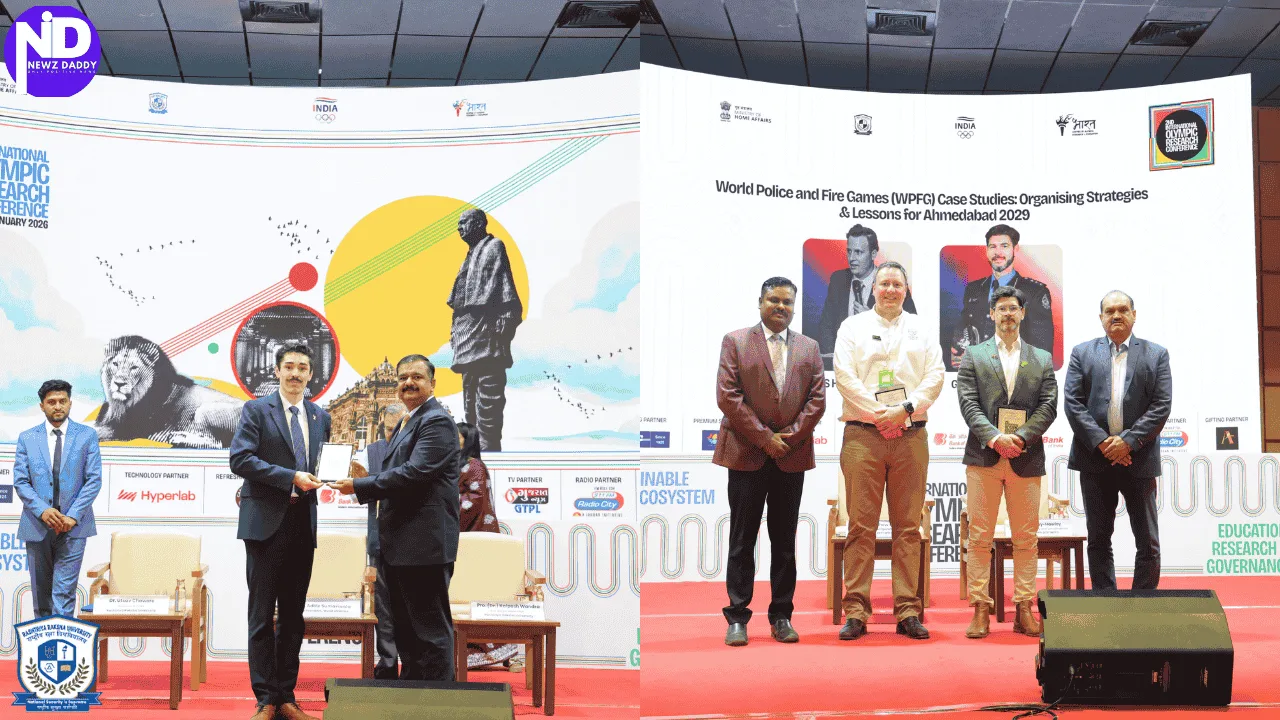
International Olympic Research Conference 2026 Signals India’s Olympic Rise
International Olympic Research Conference 2026 supports India’s Olympic hosting ambitions
The 2nd International Olympic Research Conference held at Rashtriya Raksha University in Gandhinagar marks a quiet but important shift in how India is preparing for its sporting future. While big tournaments often grab public attention, this conference focused on something deeper: knowledge, systems, and long-term planning. That is where lasting success usually begins.
One key point from the conference is India’s growing role in Olympic research and education. Around the world, countries that perform well at the Olympics invest heavily in sports science, athlete education, and policy research. Nations like Australia, Germany, and the United Kingdom have shown that medals are not won by talent alone. They come from strong support systems, clear rules, and educated leaders. By bringing experts from Europe, Australia, and global anti-doping bodies to India, this conference helped place the country inside that serious global conversation.
Another strong message from the sessions was that Olympic education is about values, not just winning medals. Research from the International Olympic Academy and similar bodies shows that athletes who are taught fair play, discipline, and respect from a young age are more likely to stay in sport longer and avoid serious issues like doping or corruption. This idea matters a lot for India, where many young athletes drop out early due to pressure, lack of support, or unclear pathways. The discussions around linking schools, universities, and training centres reflect successful models already used in countries such as Japan and France.
Governance was also a major focus, and for good reason. Studies from global sports bodies show that poor governance is one of the biggest reasons sporting systems fail. Lack of transparency, weak leadership, and unclear rules often lead to legal disputes and loss of trust. India’s Sports Governance Act 2025 is still new, and international experience can help avoid early mistakes. Research shared during the conference showed how independent boards, athlete representation, and clear financial rules have improved trust in sports bodies in parts of Europe and South America.
Anti-doping sessions stood out as especially timely. Globally, anti-doping has shifted from only catching cheats to preventing mistakes before they happen. Education-based models used by the World Anti-Doping Agency have proven that young athletes who understand rules clearly are far less likely to break them, even by accident. India has faced challenges in this area in the past, often due to a lack of awareness rather than intent. The focus on simple education, regional planning, and modern testing science directly supports India’s aim to build a world-class anti-doping laboratory and a cleaner sporting culture.
The conference also addressed a problem often discussed in research but rarely fixed: the gap between science and coaching. Around the world, many good research papers never reach coaches on the ground. Countries that succeed find ways to translate research into simple tools. Indian-led sessions on affordable technology showed how low-cost data and simple devices can help coaches make better decisions, even in small towns. This approach matches global findings that progress in sport does not always need expensive equipment, but smart use of local innovation.
Mega-event planning was another area where global lessons were shared. Research from past Olympic and Commonwealth hosts shows that events succeed when cities plan for life after the closing ceremony. Empty stadiums and heavy debt are common problems when planning focuses only on short-term glory. The discussions around governance quality, sustainability, and community benefit reflect lessons learned from both successful and failed hosts worldwide. For cities like Ahmedabad, these insights are vital before hosting large international events.
Academically, the conference strengthened India’s position in Olympic studies. Across Europe, Olympic research centres play a key role in advising governments and sports bodies. Being recognised internationally allows Indian researchers to contribute to global policy debates, not just follow them. This helps ensure that India’s future bids and sporting reforms are based on evidence rather than guesswork.
The broader impact of the conference lies in how knowledge spreads after the event ends. Research shows that when administrators, coaches, and officials attend such programmes, they carry ideas back into their organisations. Small changes, when repeated across many bodies, often lead to major system-level improvement. This ripple effect is how countries slowly build strong sporting cultures.
Overall, the conference reflects a mature step in India’s sporting journey. Instead of chasing quick success, it focused on building strong foundations: education, fair rules, clean sport, and smart planning. These are the same pillars seen in nations that have sustained Olympic success over decades. If these lessons are applied with patience and honesty, India’s Olympic ambitions will rest on solid ground rather than hope alone.
MustRead:
International Olympic Research Conference Brings World to Gujarat