


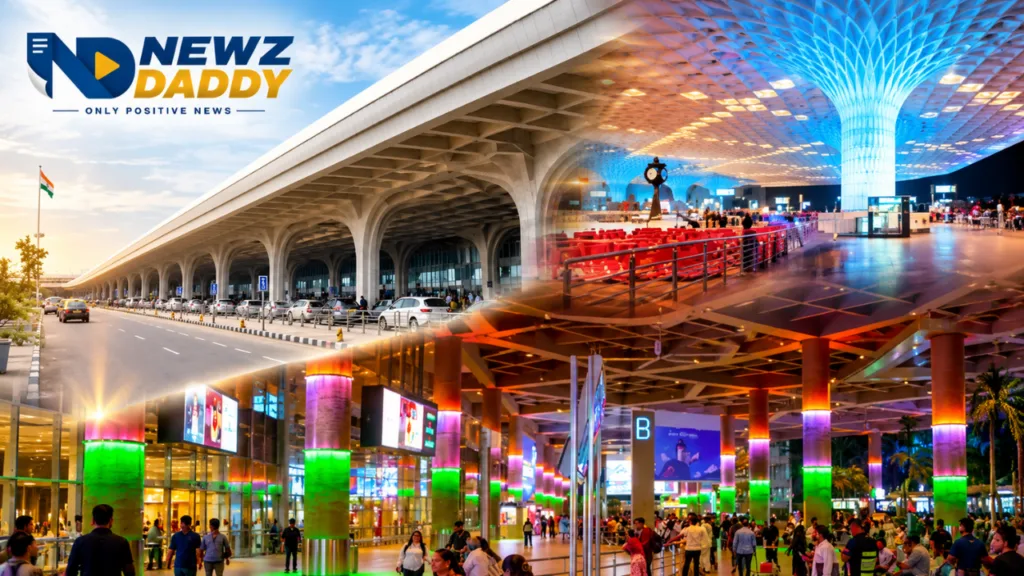
Mumbai Airport to Begin Terminal 1 Redevelopment in 2027
Mumbai Airport to Begin Terminal 1 Redevelopment in January 2027, 91% of Passenger Traffic to Remain Unaffected
Ageing Terminal 1B faces phased demolition following safety concerns, while airlines can shift some operations to Navi Mumbai International Airport.
Mumbai, October 3, 2026: Mumbai’s Chhatrapati Shivaji Maharaj International Airport is preparing for a major change as Adani Airport Holdings Limited (AAHL) plans to begin the phased redevelopment of the northern section of Terminal 1B in January 2027.


The move follows safety concerns about the airport’s nearly 60-year-old Terminal 1 infrastructure. According to Mumbai International Airport Limited (MIAL), around 5 million passengers a year will be affected by the temporary closure of the section. The remaining 91% of the airport’s annual passenger traffic is expected to continue operating without disruption.
Mumbai Airport handles approximately 55 million passengers per annum (mppa). The planned work will affect around 5 million passengers, or 9% of the total traffic. The northern section of Terminal 1B accounts for about one-third of Terminal 1’s capacity and will be the first part to be demolished.
Airlines operating from the affected section have been given the option to shift their services temporarily to Navi Mumbai International Airport (NMI), depending on their operational plans. AAHL has said it will assist airlines with the move.
For passengers, the change could mean using a different airport for certain domestic or other services, depending on the airline’s decision. Travellers will need to check their tickets and flight details carefully before departure.
Arun Bansal, CEO of Adani Airport Holdings Limited, said: “91% of Mumbai Airport’s passenger traffic will remain unaffected even as we undertake redevelopment of the age-old infrastructure that was in urgent need of repairs. Only the North Section of Terminal 1B, which accounts for around one-third of T1 of Mumbai Airport’s capacity, is being demolished in Phase 1 to minimise passenger inconvenience and operational disruption. The transition to Navi Mumbai Airport is temporary and does not represent a permanent shift of Mumbai Airport traffic.”
The redevelopment plan has been under discussion with airlines since 2020. MIAL has also presented the proposal to the Airports Economic Regulatory Authority (AERA), and it has been included in the approved tariff framework.
The study also raised concerns about the layout of Terminal 1C, where arriving and departing passengers could mix in the security hold area. Changes to the building were considered necessary to improve passenger handling and meet security requirements. AERA’s regulatory review examined the need for rebuilding the terminal, along with the airport’s wider capacity requirements.
The redevelopment is expected to raise Terminal 1’s annual passenger capacity from 15 million to 20 million, an increase of around 33%. The work is intended to replace ageing facilities and provide room for more passengers as air travel demand grows.
The project will take place in stages. The first phase will focus on the northern section of Terminal 1B. This approach allows other parts of the airport to continue handling flights while construction plans move forward.
Mumbai Airport’s two main terminals currently serve a large volume of domestic and international passengers. Terminal 1 has a stated capacity of around 15 million passengers a year, while Terminal 2 can handle around 40 million. Moving flights between the terminals and the new airport will be a major part of the change.
An earlier redevelopment plan announced by MIAL in January 2025 had set out a broader modernisation programme for Terminal 1, with a target capacity of 20 million passengers and a projected completion period of 2028–29. The latest announcement sets January 2027 as the start of the first demolition phase.
The opening of Navi Mumbai International Airport gives airlines another airport option in the Mumbai Metropolitan Region. The new airport is expected to take on some of the passenger traffic that would otherwise use the existing Mumbai airport during redevelopment.
To attract new international services, Navi Mumbai International Airport is offering a 100% discount on landing fees for new international flights. AAHL has also announced plans to provide cash vouchers to international passengers to help cover the difference in User Development Fees (UDF) charged at Navi Mumbai and Mumbai airports.
AAHL has said airlines will regain their historical slots at Mumbai Airport after the redevelopment, along with additional slots. The final arrangements will depend on operational planning and the applicable airport rules.
The airport operator has also explained that the two airports are intended to serve the same region while sharing passenger demand. For travellers, the main concern during the coming months will be knowing which airport their flight uses and allowing enough time to reach it.
The redevelopment marks the start of a major change for Mumbai’s airport operations. Its effect will depend on how airlines manage the transfer of flights and how smoothly passengers adjust to the temporary arrangements.
Must Read:
A New Era in Travel: Mumbai Airport’s T1 Revamp to Handle 20 Million Passengers