


Oral Cancer Screening May Help Tobacco Users Quit Earlier
Could Cancer Screening Push Tobacco Users to Quit Before Cancer Develops?
For many people who use tobacco, the habit can continue for years without any obvious warning sign. A person may smoke, chew tobacco or use products such as gutka and still feel healthy. That can make the health risk seem far away.
Doctors say a routine oral examination can sometimes change that thinking, particularly when a tobacco user learns about the changes taking place in the mouth and understands the need to stop the habit.

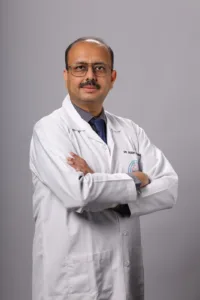
Dr Dushyant Mandalik, Consultant, Head and Neck Surgical Oncologist and Reconstructive Surgeon at HCG Aastha Cancer Centre, has raised the question of whether cancer screening and risk assessment can become a reason for tobacco users to quit before cancer develops.
The issue is relevant in India, where tobacco is used in several forms. The Government of India’s Global Adult Tobacco Survey found that 28.6% of adults aged 15 and above were current tobacco users in 2016-17. About 87% of current users were daily users. Men had a higher rate of tobacco use than women, at 42.4% compared with 14.2%.
The same government data showed a fall in tobacco use from 34.6% in 2009-10 to 28.6% in 2016-17. The number of tobacco users fell by about 81 lakh during that period. India has not yet published a newer GATS round that replaces the 2016-17 national figures, so those numbers remain an important national reference point.
The absence of pain or visible symptoms does not mean that tobacco has caused no harm. Tobacco is among the major risk factors for oral cancer, along with alcohol and areca nut use. The World Health Organisation estimates that cancers of the lip and oral cavity caused about 389,846 new cases and 188,438 deaths worldwide in 2022.
The International Agency for Research on Cancer, part of WHO, has also examined the role of prevention and early detection. Its Handbook on Oral Cancer Prevention found sufficient evidence that stopping tobacco smoking reduces the risk of oral cancer. It also found evidence supporting the benefits of stopping the use of areca nut products, with or without tobacco.
This makes a medical visit useful even when cancer is not suspected.
A doctor or trained health worker may examine the mouth for changes that require further investigation. In India’s national programme for screening common cancers, people with tobacco, areca nut or alcohol habits can be assessed for oral cancer risk. Government training materials describe oral visual examination and referral for people with abnormal findings. Potentially malignant lesions may require follow-up, further examination or biopsy, depending on the clinical findings.
Some changes in the mouth are known as oral potentially malignant disorders. These include conditions such as oral submucous fibrosis, leukoplakia and erythroplakia. They do not mean that a person definitely has cancer, but they can carry a higher risk and require medical assessment.
The value of a screening visit may extend beyond finding a suspicious lesion.
A tobacco user who comes to a doctor because of a screening appointment gets a chance to discuss how long they have used tobacco, what form they use and how often they consume it. The doctor can then decide whether further examination or referral is needed and can also discuss quitting.
Recent research supports this wider approach. A 2026 systematic review published in BMC Oral Health examined 18 studies involving 7,856 adults with oral potentially malignant disorders. The review found higher reported abstinence rates among people receiving nurse-led tobacco and areca-nut cessation support than among those receiving usual care. The authors also reported lesion regression in 46% to 65% of participants receiving the interventions. They cautioned that differences between the studies mean the findings need careful interpretation.
Earlier research has also examined the combination of oral screening and brief cessation advice. A review published in the Journal of Dental Education reported evidence that dental professionals could support smokeless tobacco users in quitting through screening, advice and brief counselling.
These findings point to a practical role for healthcare workers. A screening appointment can become a moment when a long-standing habit is discussed in personal terms rather than as a general health warning.
The Government of India launched the National Tobacco Control Programme in 2007-08. Its objectives include creating awareness about tobacco-related harm, helping people quit tobacco and supporting implementation of tobacco-control measures.
The government’s cancer-screening training material also links abnormal oral findings with tobacco cessation and follow-up. Where potentially malignant lesions are found, patients may be advised to stop the relevant risk factors and return for assessment. Suspected cancer can require specialist examination and, when appropriate, a biopsy.
This approach matters because treatment can become far more difficult when a cancer is found at a later stage. Early assessment is therefore one part of a wider effort that also includes reducing tobacco use.
The WHO’s recent work on oral health has called for greater access to oral cancer screening and stronger cessation support for tobacco, areca nut and alcohol users.
For someone who has used tobacco for many years, the practical message is straightforward: feeling well does not remove the need to consider the risk. A discussion with a qualified doctor or dentist can help determine whether an examination is appropriate and what steps to take next.
Cancer screening cannot guarantee that cancer will be prevented. But a medical consultation can give tobacco users a clearer picture of their risk and, importantly, another opportunity to quit.
For Dr Mandalik, that is where prevention needs to begin. “Do not wait for cancer to become the reason to quit.” Understanding the risk before a serious diagnosis may give a tobacco user a reason to change course while there is still time to act.
Must Read:
Sterling Hospitals Uses Robotic Surgery For Pancreatic Cancer