


Rashtra Sevika Samiti Looks Back on Its 1936 Foundation
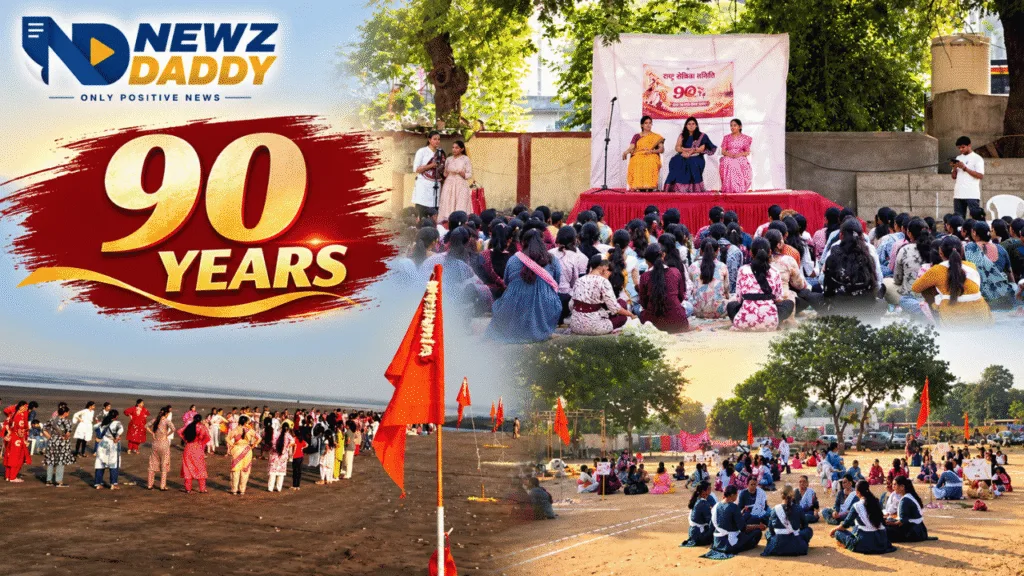
Rashtra Sevika Samiti Marks 90 Years with Gatherings Across Gujarat
More than 2,200 women volunteers took part in branch gatherings held at different locations across Gujarat on the same day to mark the 90-year journey of Rashtra Sevika Samiti. The events brought together members who usually attend regular branch meetings in their own areas, allowing them to meet, discuss their work and learn about the organisation’s history.
The gatherings featured the saffron flag and chants of “Bharat Mata Ki Jai”. Speakers at the venues spoke about the organisation’s work since its founding, with a focus on women’s service, dedication and role in national life. The events also aimed to strengthen contact among volunteers and renew their commitment to the organisation’s activities.
Rashtra Sevika Samiti was founded in 1936 on the day of Vijayadashami by Lakshmibai Kelkar, who is widely known as ‘Mausiji’. The organisation has since worked around the ideas of women’s development, character building, service, cultural values and leadership.
The 90th anniversary allows the organisation to review its work and bring members together. Its Gujarat branch gatherings followed this wider anniversary programme. The organisers brought volunteers from different local branches to common venues, allowing them to share experiences and hear about the organisation’s early years.
The word shakha refers to a local branch where members meet regularly. Rashtra Sevika Samiti uses these meetings for activities linked to physical training, learning and group discussions. Its official description lists daily and weekly branches among its main activities. These meetings form the basis of its local structure, while larger gatherings bring members from several branches together.
The organisation’s history began in Wardha, Maharashtra, in 1936. Lakshmibai Kelkar started the Samiti after discussing women’s participation in organised national and social work with Dr Keshav Baliram Hedgewar, the founder of the Rashtriya Swayamsevak Sangh (RSS). The RSS was founded in 1925 and has a separate, male-only membership structure. Rashtra Sevika Samiti was established as a separate organisation for women, sharing the RSS’s broad ideological outlook while maintaining its own organisational structure.
Kelkar believed women should have an active role in society and contribute to the nation’s development. The Samiti’s activities grew around this idea, with an emphasis on discipline, physical development, cultural learning and social service. Its work also reflects a traditional view of women’s responsibilities in family and public life. The organisation describes women as a source of strength for the nation.
Over the decades, the Samiti has developed a network of branches and activities in different parts of India. Its work includes regular member gatherings, training programmes and service activities. The size and reach of the organisation have changed over time, although the local branch remains central to its approach.
In August 2026, the organisation reported that its activities covered 852 districts across India. It listed 4,886 branches, 1,173 smaller member gatherings and 1,332 service activities. These figures were reported by the Samiti during a review of its work. They offer a picture of its reported reach as it marks 90 years since its foundation.
The Gujarat gatherings form part of this larger network. The participation of more than 2,200 volunteers across the state brought members from different areas together on one day. Speakers discussed the organisation’s history and the importance of service and national commitment. The programme also gave volunteers a chance to renew contact with members from other branches.
For the participants, the meetings provided time to discuss their shared work and strengthen links within the organisation. Such gatherings can help members exchange ideas and keep local activities connected with wider organisational plans. The stated aim of the Gujarat programme was to improve communication among volunteers and strengthen their commitment to national service.
The anniversary also brings attention to the ideas that have guided the Samiti since its founding. Service, cultural values, personal development and leadership remain central to its stated aims. Its members take part in activities shaped by these principles, while the organisation continues to operate within the wider social and ideological setting of the RSS.
The Gujarat branch gatherings marked a significant point in the Samiti’s 90-year history. With more than 2,200 volunteers taking part, the events brought local members together to remember the organisation’s beginnings and discuss its work today. The anniversary programme also provided a chance to consider how its branches will continue to organise members and carry out activities in the years ahead.