


Swarrnim Garba Brings Gujarati Folk Dance to Campus Life
Swarrnim Garba Draws More Than 2,000 Students to Celebrate Gujarat’s Folk Dance
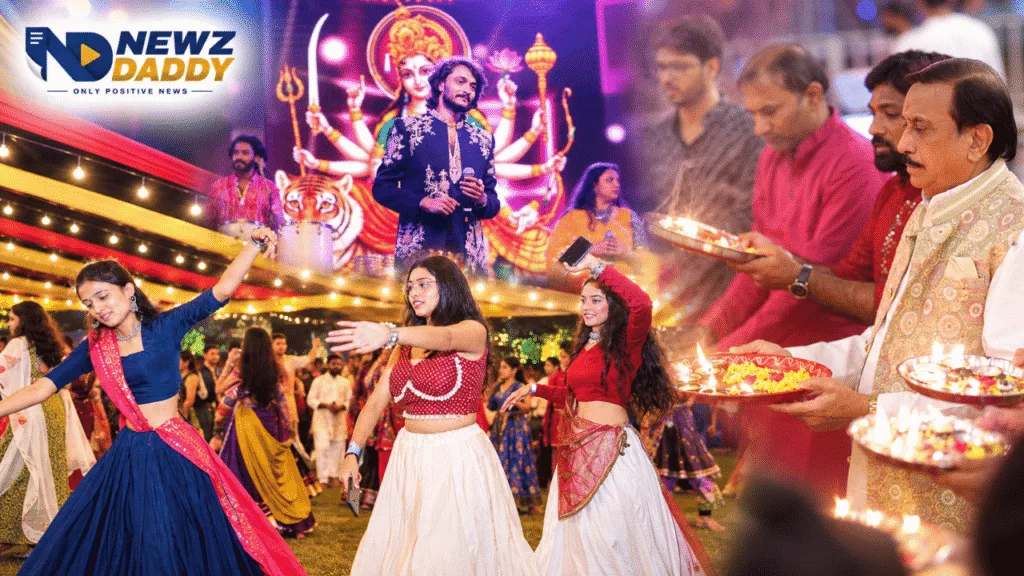
More than 2,000 students gathered at Swarrnim Startup & Innovation University in Gandhinagar for Swarrnim Garba, a campus event featuring Gujarati folk dance and live music. Gujarati singer Rushabh Ahir performed popular songs as students joined Garba dances in traditional dress.
The event brought a large number of students together for an evening centred on a dance closely linked to Gujarat’s cultural life. Music played across the campus as students formed dance circles and joined in with the familiar steps of Garba. The gathering also gave students a chance to take part in a cultural activity outside their regular academic work.
Rushabh Ahir’s performance was a main part of the programme. His songs drew students towards the dance floor, where groups danced to Gujarati music. The evening continued with group dancing and spontaneous steps as students took part at their own pace.
The university reported attendance of more than 2,000 students. The figure gives an indication of the scale of participation, although no breakdown of attendance by course, year of study or other category was provided in the event information.
Garba has a long-standing place in Gujarat’s religious and social life. It is closely associated with Navratri, the Hindu festival dedicated to the worship of the goddess and the feminine force known as Shakti. During the festival, people gather in neighbourhoods, villages, public grounds and organised venues to dance in circles to traditional songs and percussion.
The dance commonly features rhythmic steps, clapping and repeated movements around a central point. Traditional performances may take place around an earthen pot with a lamp inside or an image of the goddess Amba. Over time, live singers, amplified music and newer musical arrangements have become part of many large Garba events.
The tradition received international recognition in December 2023, when UNESCO added Garba of Gujarat to its Representative List of the Intangible Cultural Heritage of Humanity. The decision recognised the dance as a living tradition passed between generations through participation, teaching and observation.
The recognition also drew attention to the people who keep Garba going, including dancers, musicians, craftspeople and community organisers. Schools and universities can contribute to this process by giving younger generations opportunities to learn and practise traditional dance and music.
Swarrnim Garba took place within this wider cultural setting. Its campus location brought students together to take part in a form of dance that is performed across Gujarat during the festival season and at other cultural gatherings.
Live singers often play a central role at large Garba gatherings. Their songs set the pace for the dancers, with changes in rhythm helping groups move between slower steps and faster sequences. Rushabh Ahir’s performance gave the Swarrnim University event its musical focus, with students responding to popular Gujarati songs.
Traditional clothing also formed part of the evening. Students arrived in colourful festive attire, adding to the visual character of the gathering. The event information described students dancing in groups, forming circles and joining in with their own movements.
For a university, events of this kind provide opportunities for students from different academic groups to meet outside lectures and other formal activities. Taking part in a shared cultural programme can help students learn about regional traditions while spending time with classmates beyond their usual study routines.
The scale of the gathering suggests that Garba remained a popular choice for campus celebrations among the students who attended. However, the university did not provide figures showing how attendance compared with previous years, so the event’s growth over time cannot be measured from the available information.
Universities have a role in academic learning, but campus life also includes activities linked to arts, sport and local culture. Cultural programmes give students ways to participate in group activities and learn about traditions that form part of the region where they study.
In Gujarat, Garba offers a familiar setting for such participation. Students can learn the steps by watching others, joining a circle and practising alongside more experienced dancers. This informal way of learning reflects how the dance has been passed down through families and communities over many generations.
For Swarrnim Startup & Innovation University, the event offered students a shared setting in which to celebrate Gujarati music and dance. The reported turnout of more than 2,000 people also points to the organisational effort needed to host a large campus gathering, although details about the event’s arrangements, costs and planning were not released.
The university described the programme as a chance for students to celebrate tradition, build friendships and make memories beyond the classroom. These aims reflect the wider role that cultural activities can play in student life, though their longer-term effects on student relationships or participation were not measured.
Swarrnim Garba added another campus gathering to Gujarat’s wider calendar of folk dance and music events. With Rushabh Ahir on stage and students filling the dance area, the evening brought a recognised regional tradition into university life and gave a large student audience the chance to take part.
Must Read:
Viksit Gujarat 2047 Seminar Held at Ambedkar Open University