


Tech-Infused Tourism Policing Boosts Tourist Safety Hope
Tech-Infused Tourism Policing Strengthens Trust and Tourist Confidence
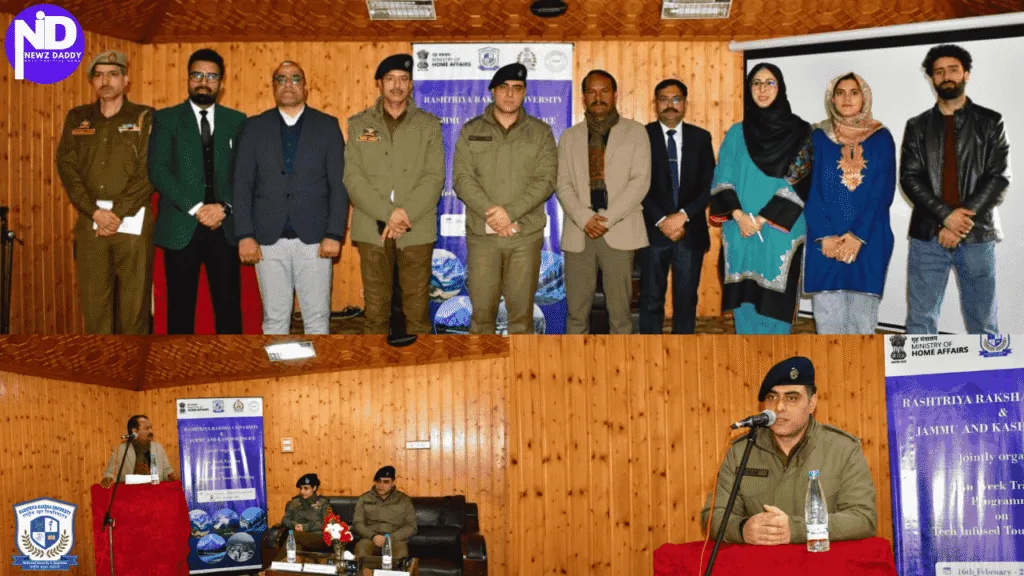
Rashtriya Raksha University and the Jammu and Kashmir Police have begun a two-week training programme on “Tech-Infused Tourism Policing” in Srinagar. This step comes at a time when Jammu and Kashmir is seeing a huge rise in tourist numbers. According to official tourism data, more than two crore tourists visited the Union Territory in 2023, the highest ever recorded. This sharp growth has brought new hope for jobs and business, but it has also increased the pressure on the police to keep visitors safe in busy places like Srinagar, Gulmarg and Pahalgam.
The programme started with a welcome address by Dr Mahesh A Tripathi, Director of Rashtriya Raksha University’s J and K Campus. He explained that the training is built to deal with new problems using modern technology. This is important because policing is changing fast across the world. Today, police forces use tools like CCTV cameras, drones, body-worn cameras and digital databases to prevent crime and respond quickly. Rashtriya Raksha University itself was set up by the Government of India in 2020 as an Institution of National Importance to train security and police officers. The university trains officers not only from India but also from many other countries, which shows India’s growing role in global security training.
The programme was formally opened by Superintendent of Police Shah Umer, who said tourism policing is now a key part of internal security. This is true because tourists are often easy targets for crimes like theft, cheating, or harassment. In many countries, special tourist police units already exist. For example, cities like London, Dubai and Bangkok have dedicated tourist police who help visitors, guide them and protect them. These officers are trained not just in law enforcement but also in behaviour, language skills and public relations.
Mr Shah Umer also spoke about the need for police to keep learning and upgrading their skills. This is especially important in Jammu and Kashmir, where tourism is closely linked to peace and stability. When tourists feel safe, they stay longer and spend more money, which helps local people. Tourism supports hotels, taxi drivers, guides, shopkeepers and many small businesses. Experts say tourism is one of the biggest job creators in the world, providing work to millions of people directly and indirectly.
Dr Bilquees Dar led the first session and explained the course topics. These include using technology, handling emergencies and working with other agencies. This kind of training is vital because emergencies can happen anytime. Police must know how to respond to accidents, natural disasters, lost tourists or medical emergencies. Technology can help here. For example, GPS tracking helps locate people quickly, while control rooms can monitor situations in real time using cameras and communication systems.
The training also focuses on helping officers become more preventive instead of only reacting after something goes wrong. This is a modern policing approach used in many developed countries. Preventive policing includes regular patrols, monitoring crowded places and using data to identify risk areas. This helps reduce crime before it happens.
During the keynote session, Bhawani Sinh Rathore, Director of the School of Internal Security and SMART Policing, spoke about the economic importance of tourism. Globally, tourism contributes around 10 per cent of the world’s GDP and supports millions of jobs. India has also become one of the world’s top tourism destinations. The country attracts visitors because of its culture, history, nature and spiritual sites. Jammu and Kashmir, often called “Paradise on Earth,” is one of India’s most famous tourist regions. Keeping tourists safe is important for maintaining India’s image and trust.
Further discussions included key points shared by DySP Syed Sleet Shah. She spoke about the safety of women tourists, which is a major concern everywhere. Many countries have introduced special helplines, women police officers and safety apps to protect female travellers. India has also launched tourist helpline numbers and mobile apps to help visitors. These steps improve confidence among tourists, especially women travelling alone.
The sessions also spoke about stopping overcharging and improving services. Overcharging by taxis or shops can damage the image of a place. When tourists have bad experiences, they may not return and may also discourage others. Good behaviour by the police can make a big difference. Friendly and helpful police officers can improve the overall experience of visitors.
Important suggestions were also made during the programme. These include using GPS systems, creating crisis response teams and developing a tourist assistance mobile app. Such apps already exist in many places and allow tourists to ask for help, find police stations and report problems quickly. Technology makes communication faster and easier.
The programme ended with a vote of thanks by Dr Mohammad Akmal Shah, Assistant Director of Rashtriya Raksha University’s J and K Campus. He thanked everyone involved in organising the training.
This training shows how Rashtriya Raksha University is helping improve India’s security system. It also shows how police and academic experts can work together. As tourism grows in Jammu and Kashmir, such training will play a key role in protecting visitors and building trust. Safe tourism not only protects people but also strengthens the economy and supports peace in the region.