


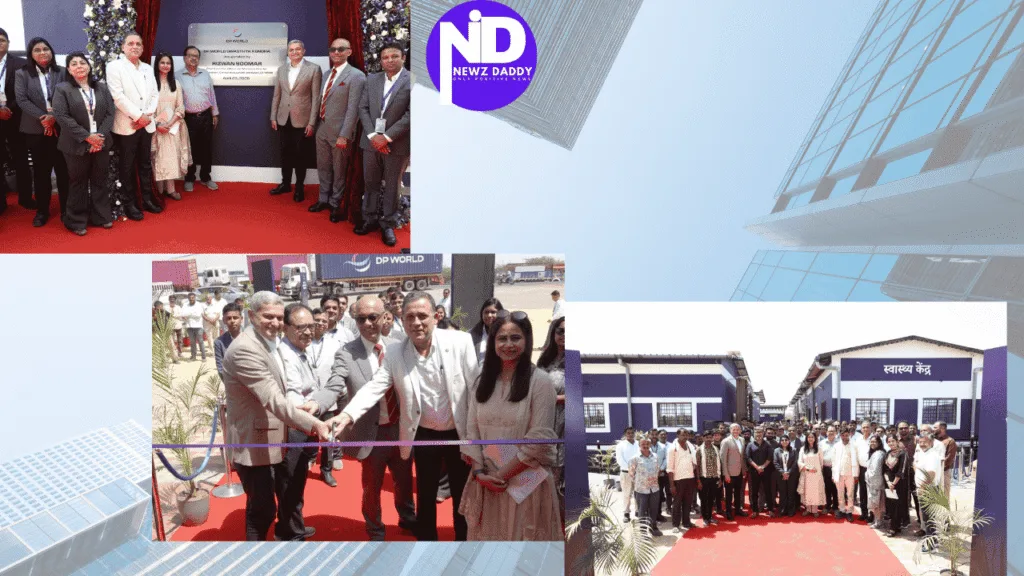
DP World Swasthya Kendra Gujarat Brings Hope for Truckers
DP World Swasthya Kendra Gujarat Drives Real Change for Driver Wellbeing
DP World has taken a strong first step with its ‘Swasthya Kendra’ programme, and the timing matters. Across India, truck drivers often work long hours, sometimes driving over 400 to 500 kilometres a day. Many reports from transport groups and road safety bodies have shown that fatigue, poor diet, and lack of rest areas are major causes of accidents on highways. In this context, the idea of a dedicated wellbeing hub is not just helpful, it is needed.
The company’s plan to support one million truckers and their families connects with a larger national issue. India’s logistics sector depends heavily on road transport. Industry estimates suggest that trucks carry more than two-thirds of the country’s goods. Yet, many drivers still do not have access to clean toilets, safe parking, or even basic medical care during long journeys. Studies from transport associations have pointed out that a large number of drivers suffer from untreated health problems such as diabetes, poor eyesight, and high blood pressure. These conditions often go unnoticed because drivers rarely have time or access to regular check-ups.
The Swasthya Kendra in Gujarat, located near Mundra, is placed in one of the busiest freight zones in India. Mundra Port handles a large share of the country’s cargo, and thousands of trucks pass through the area every day. By setting up a 7,000 square foot facility here, DP World is placing support where it is most needed. Similar models have been discussed in logistics forums, where experts have suggested that rest stops near major ports and highways can reduce driver stress and improve road safety.
The services offered at the Kendra reflect real gaps that have been reported over the years. For example, access to preventive health screenings can help detect issues early. A study by the All India Motor Transport Congress once noted that many drivers avoid hospitals until conditions become serious. Rest and recovery spaces also play a key role. Sleep deprivation is a major concern in the trucking sector, and a lack of proper rest areas often forces drivers to sleep inside their vehicles under unsafe conditions.
The partnership with Plan International India adds another layer to the programme. Organisations working at the community level have often found that truckers’ families also face challenges. Many families live in rural or semi-urban areas with limited access to healthcare and financial services. By including families in the support system, the programme is trying to improve overall wellbeing, not just for drivers on the road.
The mention of welfare and social security support is also important. Many truck drivers in India work in the unorganised sector. This means they may not be fully aware of government schemes such as insurance, pension plans, or health benefits. Reports from labour groups have shown that awareness and access remain low. Assistance at the Kendra can help drivers understand and use these schemes, which can improve their long-term security.
DP World’s plan to expand the network across India aligns with ongoing discussions in the logistics industry. Experts have been calling for better infrastructure that supports not just cargo movement but also the people behind it. Safer drivers lead to safer roads. Healthier drivers also mean fewer delays and better efficiency in supply chains.
The Mission for Vision programme also connects with a real need. Poor eyesight is a known issue among truck drivers. Road safety studies in India have shown that vision problems can increase accident risks, especially during night driving. Regular eye check-ups and corrective measures can make a direct difference in safety outcomes.
The mobile application adds a digital layer to this effort. In recent years, smartphone use among truck drivers has grown rapidly. Many drivers now use apps for navigation and communication. By offering features such as locating nearby facilities, tracking health, and providing fit-to-drive status, the app fits into existing habits. Early adoption by around 1000 users in a short time suggests that drivers are open to using such tools if they are simple and useful.
The gamified learning module is also a practical step. Road safety campaigns often struggle to keep drivers engaged. Simple, interactive learning can help drivers understand safe driving practices in an easy way. This approach has been used in other sectors as well, where short digital lessons improve awareness without taking too much time.
Voices from industry leaders also reflect a shared understanding of the issue. The All India Motor Transport Congress has often raised concerns about driver fatigue and working conditions. Their support for this initiative shows that the programme is aligned with long-standing demands from the transport community.
Overall, the Swasthya Kendra programme fits into a larger shift in how companies are looking at logistics. It is no longer just about moving goods. It is also about supporting the people who make that movement possible. If expanded well, such initiatives can improve health, reduce accidents, and bring more dignity to a workforce that keeps the country running every day.