


Gujarat Textile Policy 2024 Brings Big Relief to Urban Units
Gujarat Textile Policy 2024 encourages women-led textile enterprises
The recent amendments announced by the Gujarat Government to the Textile Policy 2024 have come at a time when the textile and garment sector is looking for stability, support, and long-term growth. Industry members believe these changes reflect a practical understanding of ground realities and the needs of small and medium units that form the backbone of Gujarat’s textile economy. Gujarat has long been one of India’s leading textile states, contributing significantly to employment, exports, and value-added manufacturing, and policy support has always played a key role in this progress.
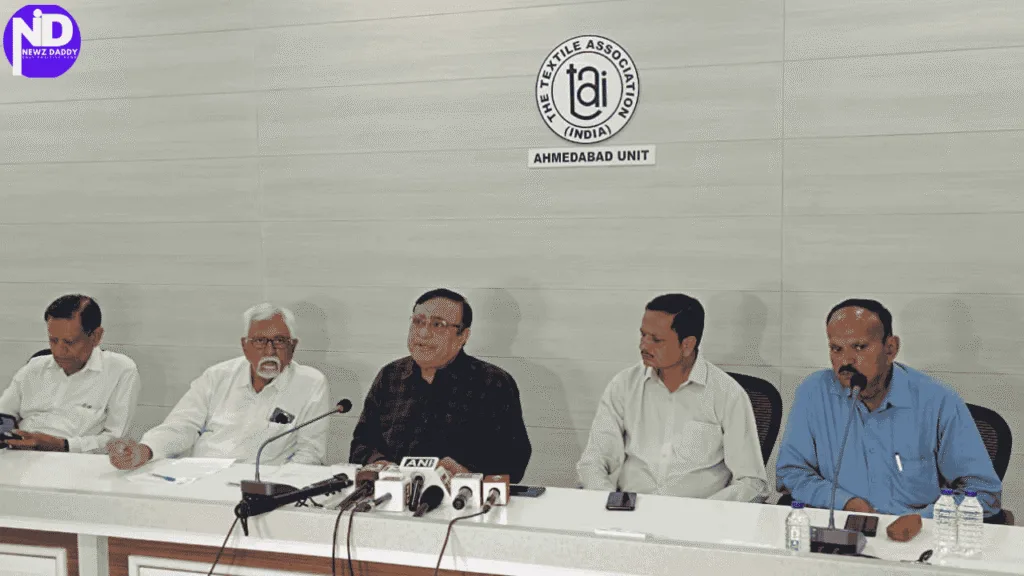
The press conference organised by the Textile Association, Ahmedabad, at Dinesh Hall highlighted how these amendments address long-pending demands of industry players. One of the most important decisions is allowing non-polluting textile units to operate in metropolitan areas. For many years, several small and medium units functioned in urban areas but faced legal and operational challenges due to zoning restrictions. These units often lacked formal approvals, which made it difficult for them to expand, modernise, or access government schemes. With this new decision, such units can now work with legal clarity and confidence.
From an industry point of view, non-polluting units mainly include activities such as garment stitching, embroidery, knitting, design studios, and small-scale processing that do not harm the environment. These activities already exist in large numbers in cities like Ahmedabad because they depend on skilled labour, supply chains, and access to markets. By recognising these units officially, the government has aligned policy with reality, which experts say is essential for sustainable growth.
Another major benefit highlighted during the press meet was access to government incentives. Once units receive legal recognition, they become eligible for capital subsidies that help reduce the cost of machinery and infrastructure. Interest subsidies on loans can lower the financial burden on entrepreneurs, especially first-generation business owners. Power tariff subsidies can further reduce operating costs, which is crucial in an industry where margins are often tight. Industry observers believe these incentives can encourage reinvestment and job creation.
The amendments are also expected to reduce daily operational hurdles. Many unit owners earlier faced issues related to inspections, compliance, and documentation because of unclear legal status. With formal approval now possible in metropolitan areas, these obstacles are likely to be reduced. This can save time, lower stress, and allow entrepreneurs to focus more on production, quality, and market expansion.
A key part of the amended policy is the inclusion of women-run self-help groups and single groups under all incentive schemes. This move is seen as socially and economically important. The garment and textile sector already employs a large number of women, especially in stitching, finishing, and quality control roles. By supporting women-led units, the policy helps move women from being only workers to becoming business owners and decision-makers.
Experts note that self-help groups have proven successful across India in improving income and financial independence among women. In textiles, these groups often work in tailoring, embroidery, and small-scale garment production. Access to incentives can help them buy better machines, improve product quality, and reach larger markets. Over time, this can raise household incomes and support local economies.
The statement made during the press conference also reflects a shift in how women are viewed in economic planning. Rather than seeing women only as beneficiaries of welfare schemes, the policy recognises them as active economic partners. This approach is in line with broader development goals, where women’s participation is linked to higher productivity and inclusive growth. Industry members believe that such recognition can encourage more women to enter entrepreneurship.
The confidence expressed by traders and association members suggests that policy stability matters as much as financial support. When businesses trust that rules will remain clear and supportive, they are more likely to invest for the long term. This includes upgrading technology, improving working conditions, and exploring new markets, including exports. Gujarat’s textile and garment sector already has strong links to domestic and international buyers, and supportive policies can strengthen these connections.
Overall, the amendments to the Textile Policy 2024 are expected to open new paths for growth across the value chain. From small urban units to women-led groups, the policy touches many layers of the industry. Members of the Textile Association believe that if these changes are implemented smoothly, they can bring stability, confidence, and steady development to Gujarat’s textile and garment sector in the coming years.
Must Read:
Swadeshotsav 2025 Sparks Self-Reliance Fire!
Gramin Bharat Mahotsav Celebrates India’s Living GI Heritage