


Heart Day: Bald Eagle Brigade Holds Cardiac Screening in Bhuj
Indian Army’s Bald Eagle Brigade Marks World Heart Day with Heart Screening and Fitness Drive
More than 360 personnel and dependents aged 40 years and above took part in a cardiovascular screening programme organised by the Indian Army’s Bald Eagle Brigade at Bhuj as part of World Heart Day 2026.
The programme, coordinated by Military Hospital Bhuj, combined medical screening, expert talks, consultations, CPR demonstrations and a public fitness activity. The events began on September 21 and ended on September 29 with a walk through Smritivan in Bhuj.


This year’s World Heart Day campaign carries the theme “Don’t Miss a Beat”. The World Heart Federation has used the 2026 campaign to draw attention to heart disease symptoms that may be missed or ignored. The organisation says cardiovascular disease remains the world’s leading cause of death, with more than 20 million deaths each year. It also says many of the risk factors can be prevented or managed.
At Bhuj, the Army programme began with a lecture by Dr Meet Thacker, a cardiologist, on September 21. His session covered ways to reduce the risk of cardiovascular disease, early warning signs and steps people can take to protect heart health.
An interactive discussion followed the lecture. It dealt with common beliefs about heart disease and the need to recognise possible symptoms early. The programme also stressed that medical advice should not be delayed when warning signs appear.

The focus then moved from awareness to screening.
Between September 23 and 25, Military Hospital Bhuj held a dedicated cardiovascular screening camp for personnel and their dependents aged 40 and above. More than 360 people underwent ECG tests and other essential investigations. They were then assessed by Medical Officers and specialists.
The age group chosen for the camp is important because cardiovascular risk rises with age, while conditions such as high blood pressure, raised blood sugar and abnormal blood lipids can remain unnoticed for long periods. The World Health Organisation says early detection allows people at higher risk to receive counselling, treatment and follow-up before serious complications occur.
WHO data also show the scale of the problem in India. The organisation says cardiovascular disease accounts for a major share of deaths in the country and reports that hypertension remains one of the main risk factors. WHO India estimates that around 220 million people in India live with hypertension, while only about 12 per cent have their blood pressure under control.
The screening camp therefore served a practical purpose beyond the World Heart Day observance. ECG testing and clinical assessment can help doctors identify people who need further medical attention, particularly when risk factors are present.
The Bhuj programme also included sessions on cardiac warning signs and stress management. CPR demonstrations were held with guidance from medical experts, giving participants basic information about how to respond during a cardiac emergency.
The importance of quick action is recognised in international medical guidance. WHO says heart attacks and strokes account for about 85 per cent of cardiovascular disease deaths. It also notes that early recognition and rapid access to emergency care can improve the chances of survival and recovery after a heart attack.
Physical activity formed the final part of the Bhuj programme.
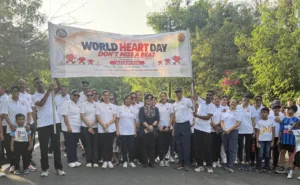
On September 29, World Heart Day, troops and families from Bhuj Military Station joined a Walkathon to Sunset Point at Smritivan. Faculty members from GAIMS-GK General Hospital and staff of Smritivan Museum also took part.
The walk reflected one of the central messages of the 2026 World Heart Day campaign: regular movement can form part of everyday heart care. The World Heart Federation’s 2026 campaign encourages people to spend time each day being physically active, with walking, cycling, sport and other forms of movement included in its public campaign.
WHO lists physical inactivity, tobacco use, unhealthy diets and harmful alcohol use among the main behavioural risk factors linked to cardiovascular disease. Raised blood pressure, high blood sugar, high cholesterol and overweight can also increase the risk. The health agency recommends regular physical activity, a healthy diet, avoiding tobacco and managing conditions such as hypertension and diabetes.
For India, the issue has added importance because cardiovascular disease affects people well before old age. WHO India has reported that cardiovascular disease accounts for 45 per cent of deaths among people aged 40 to 69 in its cited national data.
The events at Bhuj brought together military personnel, their families, medical staff and members of the local institutional community around the same health message. The programme moved from medical information and screening to emergency-response awareness and physical activity.
For those taking part, the most useful part may extend beyond September 29. Knowing blood pressure and other risk factors, recognising possible symptoms and seeking medical help early can influence how cardiovascular problems are detected and treated.
The World Heart Federation marks World Heart Day every year on September 29. Its 2026 campaign places particular attention on symptoms that can go unnoticed, while also calling for greater attention to prevention and access to cardiovascular care.
At Bhuj Military Station, the Army’s World Heart Day programme followed the same broad public-health message. The events placed medical checks alongside practical steps such as exercise and CPR awareness, with the aim of helping participants pay closer attention to cardiovascular health during everyday life.