


Matunga Construction Starts Under Dharavi Redevelopment Project
Dharavi Rehabilitation Project Begins Construction of 10,432 Homes in Matunga
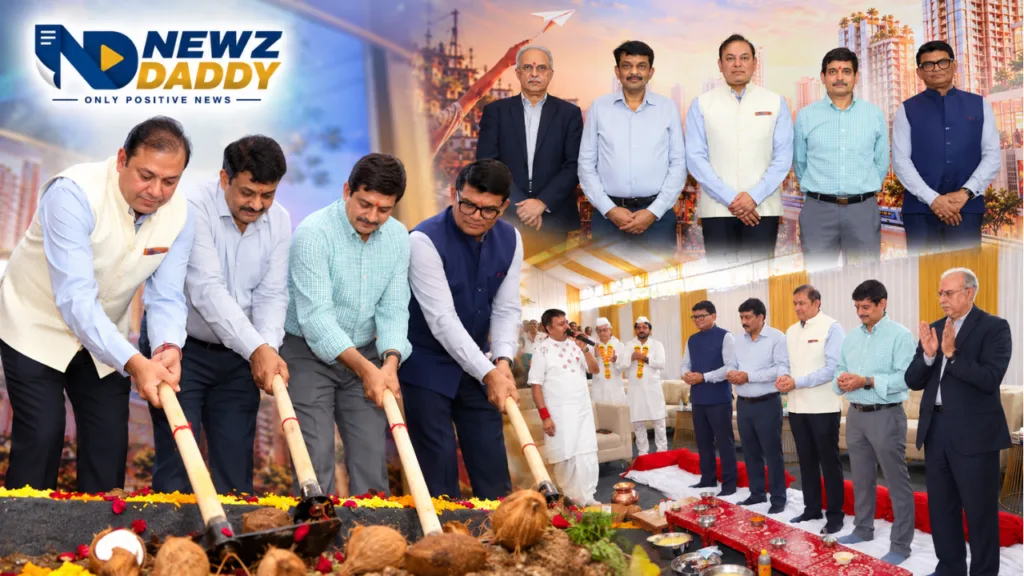
Construction of 10,432 rehabilitation apartments for eligible Dharavi residents has begun with a Bhoomi Poojan ceremony at a 22-acre railway site in Matunga, Mumbai. The project also includes 1,379 commercial and industrial units, with the first five residential towers scheduled for handover by March 2029.
Pranav Adani, Director of Adani Enterprises Limited (AEL), performed the ceremony on Monday. Aseem Kumar Gupta, Additional Chief Secretary of the Maharashtra Government’s Urban Development Department, attended as Guest of Honour. Dr Mahendra Kalyankar, Chief Executive Officer of the Dharavi Redevelopment Project and Slum Rehabilitation Authority (DRP/SRA), was also present.
The construction marks a new stage in plans to provide permanent homes to eligible families living in Dharavi, one of Asia’s largest informal settlements, which is home to more than one million people.
Adani Navbharat Developers Private Limited (ANDPL), the project’s special purpose vehicle, will carry out the construction. Under the in-situ rehabilitation scheme, eligible residents will receive homes measuring 350 square feet.
“Every family deserves a home where they feel secure and can plan for the future. We know what this means to Dharavi’s families. At Matunga, we are building 10 towers with 10,432 homes and 1,379 commercial and industrial units, creating neighbourhoods where families can live better and build a brighter future for their children,” said Pranav Adani.
The 10 residential towers will have between 37 and 39 storeys. The handover to DRP/SRA, which operates under the Maharashtra Government, is planned in three stages. The first five towers are due by March 2029, followed by two towers by August 2029. The remaining three are scheduled for August 2030.
Eligible residents from Sectors 6 and 1 will receive homes at Matunga first. Nearly 4,500 apartments are then planned for other eligible Dharavi residents on a priority basis.
The phased approach sets out a timetable for construction and the transfer of completed buildings to the government authority. The dates also give residents an indication of when the first homes may become available, although the final move-in process will depend on eligibility and allotment arrangements.
Dharavi’s redevelopment has wider importance because housing in the area is closely linked to residents’ work and daily lives. Many local businesses operate from small workshops, shops and homes. Moving families to new buildings therefore requires attention to access, services and the needs of people who earn their living within the settlement.
The proposed towers will have 10 to 12 passenger lifts each, along with two dedicated fire lifts. Two additional lifts will serve the commercial and industrial units.
Shared facilities include a kindergarten, community hall, gardens on podium levels, seating areas, society offices, and places of worship. These facilities are intended to serve residents within the housing complex.
Ten per cent of the commercial space in each rehabilitation building will be reserved to generate revenue for maintaining common infrastructure. ANDPL will maintain the buildings and shared facilities for the first 10 years after handover.
This arrangement places responsibility for early maintenance with the developer. The long-term running costs, management of shared spaces and collection of funds for repairs will remain important considerations as the buildings are occupied.
Must Read:
Fadnavis Opens Dharavi Experience Centre on Gandhi Jayanti
Dharavi – Revitalising the Soul of Mumbai: A Human-Centric Transformation