


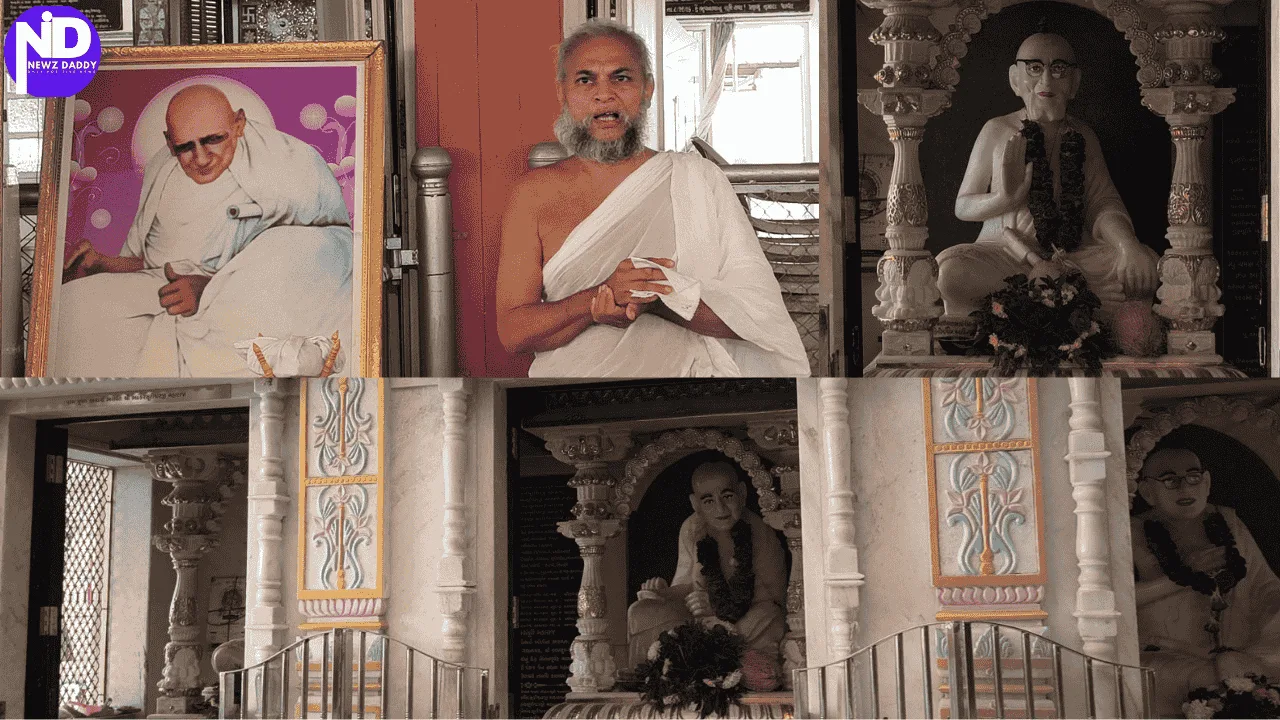
Shri Pankaj Jain Sangh Golden Jubilee Marks 50 Years of Faith
Shri Pankaj Jain Sangh Golden Jubilee reflects deep faith and community strength
The Shri Pankaj Jain Sangh at Paldi is marking a major milestone with the Golden Jubilee celebration of its 50th anniversary, scheduled from 17 January to 25 January. Completing fifty years is seen as a moment of great pride in the Jain community, as such organisations are built on years of discipline, service, and collective faith. Jain sanghs like this one play a key role in preserving religious values, encouraging charity, and passing traditions from one generation to the next.
The Pankaj Jain Sangh celebrations are being held with the blessings of Shri Sambhavnath Dada, the presiding deity of the sangh. In Jain belief, seeking blessings before any major event is considered essential, as it brings spiritual strength and harmony. The programme begins on Saturday, 17 January, which holds special importance as it falls on Posh Vad 14, a day associated with devotion and restraint. The presence of senior Acharyas adds spiritual depth to the occasion. P.P. Acharya Shri Bhadrankar Suri Maharaj Saheb, the founder of the sangh, is respected for guiding the community with discipline and simplicity.
Alongside him, Gachhadhipati P.P. Acharya Shri Narsar Suri Maharaj Saheb represents a long and respected lineage that traces back to Poojya Bapuji Maharaj Saheb, whose teachings continue to shape Jain practice today.
The 9-Day Program Details
📍 17 January (Saturday)
• Ceremonial arrival of Jain saints
• Collective Ayambil fast by 1,008 Jain men and women
• Kalash Sthapana, Deepak Sthapana, and Javara Ropan rituals
📍 18 January (Sunday)
• Pratishtha Mahotsav of Tirthankara idols
• Devotional music and bhajan evening
• Motivational talk by Rahul Kapoor Jain
📍 19 January (Monday)
• Bhaktamar Pujan
• Panch Kalyanak Pujan
• Jain quiz for children and youth
📍 20 January (Tuesday)
• Shantikaran Pujan
• Discourses by Sadhviji Bhagwants
• Arhat Mahapujan – Day 1
📍 21 January (Wednesday)
• Arhat Mahapujan – Day 2
• Devotional and meditation programs
📍 22 January (Thursday)
• Arhat Mahapujan – Day 3
• Religious discussions and self-reflection sessions
📍 23 January (Friday)
• Grand Rath Yatra
• Community devotional program open to all
📍 24 January (Saturday)
• Golden Jubilee Flag Hoisting Ceremony
• Brihad Shanti Snatra Pujan
• Formal inauguration of Mahapujan
📍 25 January (Sunday)
• Flag-lowering ceremony
• Sattar Bhedi Pujan by Sambhav Mahila Mandal
• Closing ceremony of the Golden Jubilee celebrations
The nine-day programme reflects the Jain way of combining worship with self-control. On the very first day, 1,008 Jain men and women will perform a collective Ayambil fast. Ayambil is a traditional Jain penance where devotees eat only one simple meal a day without spices, oil, or sugar. This practice is believed to purify both body and mind. A large number of participants show the strong unity and discipline within the sangh.
The Pratishtha Mahotsav, featuring idols of the 24 Tirthankara,s holds deep meaning in Jainism. The Tirthankaras are spiritual teachers who showed the path to liberation. Including idols of Shri Sambhavnath Bhagwan, Adinath Bhagwan, and Mahavir Swami connects the celebration to the very roots of the faith. Such rituals remind devotees of non-violence, truth, and self-restraint, which are central Jain values.
Other rituals, such as Kalash Sthapana and Deepak Sthapana, symbolise purity and light, while Javara Ropan reflects growth and renewal. Arhat Mahapujan focuses on honouring enlightened souls, and Navgraha and Ashtamangala Pujans are meant to bring balance, peace, and positive energy. These rituals are commonly seen during major Jain festivals and help younger members understand traditional practices.
The ceremonial entry of saints on 17 January is expected to draw a large attendance. Such processions are moments of respect and devotion, as saints represent renunciation and spiritual wisdom. On 18 January, the special Pratishtha Mahotsav with devotional music adds a cultural touch. Music has always been used in Jain traditions to express devotion in a calm and meaningful way. The motivational talk by Rahul Kapoor Jain later that evening shows how modern thinking is being blended with religious values, especially to inspire young people to stay focused and positive.
The programme on 19 January highlights both devotion and learning. Bhaktamar Pujan is based on the Bhaktamar Stotra, a well-known Jain hymn believed to bring courage and inner strength. The Panch Kalyanak Pujan marks five major life events of a Tirthankara, helping devotees understand their spiritual journey. The Jain quiz in the evening is a thoughtful step to teach children and adults about Jain principles in an engaging way.
Activities on the following days continue this balance. Shantikaran Pujan and discourses by Sadhviji Bhagwants focus on peace and reflection. The Arhat Mahapujans held over multiple days allow deeper participation, while devotional evenings and the Rath Yatra bring the wider community together. Rath Yatras in Jainism symbolise moving forward on the spiritual path.
The Golden Jubilee flag hoisting on 24 January marks the official peak of the celebrations. Such ceremonies are seen as symbols of achievement and responsibility towards future generations. The Brihad Shanti Snatra Pujan and Mahapujan inauguration further underline the spiritual importance of the day. The final ceremonies on 25 January, including Dhwajarohan and Sattar Bhedi Pujan by Sambhav Mahila Mandal, highlight the active role of women in preserving and teaching Jain traditions.
Alongside all rituals, the Pankaj Jain Sangh will also showcase its work over the past 50 years. Jain organisations are known for social service, education support, and community welfare. This reflection on past efforts serves as both a record of achievement and a reminder of the responsibility that lies ahead.
Inauguration of Dr. Vishnuprasad Oza Library’s New Building by Hon. Mayor Pratibhaben Jain