


Swarrnim University Marks Diwali With A New Magazine Launch
Swarrnim University Released Swarrnim Sanchar at Its November 6 Diwali Gathering
Swarrnim Startup & Innovation University marked Diwali with a gathering of faculty members, department heads and staff, where the university also released the latest initiative in its internal communications, a magazine titled Swarrnim Sanchar.
The event was attended by University President Rishabh Jain and Vice President Adi Jain. Both addressed employees and extended their Diwali greetings. Their messages focused on the role of staff members in the university’s development and the need for employees to work towards its stated aims.

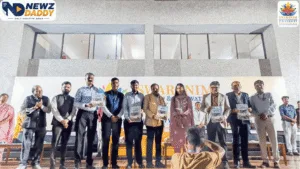
The release of Swarrnim Sanchar was one of the main announcements at the gathering. The publication is intended to carry reports and updates about academic work, research, cultural programmes and creative activities at the university. It will also record institutional achievements and developments for the university community.
For an educational institution, an in-house magazine can give students and staff a regular record of campus activities.
It can also provide a space for student contributions and information about work taking place in different departments. The reach and frequency of Swarrnim Sanchar, however, will depend on its publication schedule, editorial approach and the range of contributors involved.
The university’s focus on startups and entrepreneurship provides a wider setting for the publication. Swarrnim Startup & Innovation University was established in 2017 under the Gujarat Private Universities Act No. 10 of 2017. Located in the Gandhinagar region, the institution offers programmes in areas such as engineering, architecture, design, science, management and health sciences. Its stated approach combines academic education with knowledge of business creation and entrepreneurship.
For students and staff working in different fields, a common publication can help bring their work to the attention of the wider university community. Research projects, classroom activities, cultural events and student achievements often take place across separate departments. A university magazine can provide a shared record of these activities and give students an opportunity to take part in writing, photography and creative work.
Music formed another part of the November 6 programme. Students presented three songs written in dedication to Swarrnim University. Their performances expressed their association with the institution and their feelings towards the place where they study. The university did not disclose the titles of the songs or provide details about their composers and performers in the event announcement.
The programme also gave department heads an opportunity to speak about the institution’s development, future plans and the responsibilities of its staff. Their contributions brought attention to the part played by academic and administrative teams in running a university. Teaching, research, student support and daily administration all depend on the work of people in different departments.
President Rishabh Jain and Vice President Adi Jain asked employees to maintain dedication towards their work and support the university’s plans through cooperation and new ideas. They also acknowledged the contribution of staff members to the institution’s progress. No specific targets, new academic programmes, funding announcements or expansion plans were announced during the gathering, according to the information released about the event.
The choice of Diwali for the staff gathering gave the programme a wider cultural meaning. The festival is observed across India, with families and communities marking the occasion through prayers, lighting lamps, exchanging sweets and meeting relatives and friends. Its central message is linked to the victory of good over evil and light over darkness.
Diwali also has a place in India’s recognised cultural heritage. In December 2025, UNESCO added Deepavali to its Representative List of the Intangible Cultural Heritage of Humanity. The decision recognised the festival as a living tradition carried forward by communities and families over generations. UNESCO’s description also refers to the role of music, dance, shared meals and community gatherings in Diwali celebrations.
The magazine launch and student performances also gave the gathering an academic and cultural dimension. While the Diwali meeting was centred on staff participation, Swarrnim Sanchar has the potential to carry information about activities beyond individual celebrations. Its usefulness will depend on whether it continues to cover work from different departments and gives students and employees a regular opportunity to contribute.
The November 6 gathering ended with members of the university community renewing their commitment to the institution’s work. For Swarrnim Startup & Innovation University, the next step will be to turn the magazine launch into a continuing publication and maintain the participation of its academic and administrative teams in campus activities.