


HackSprint 2026 Sparks Powerful Student Innovation in India
Newz Daddy Educational Updates
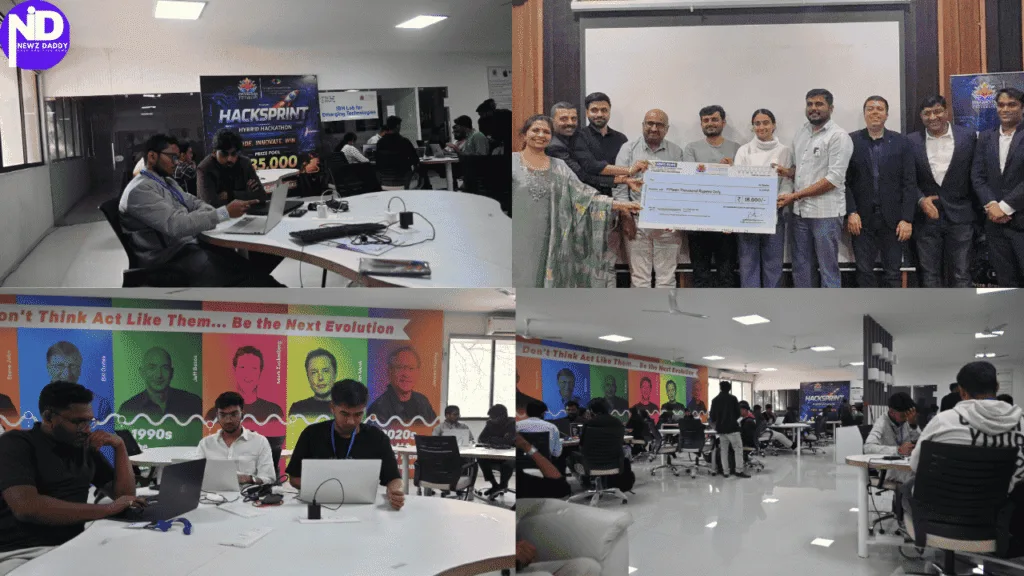
Swarrnim Startup and Innovation University (SSIU), in collaboration with GDG on Campus SSIU, successfully hosted HackSprint 2026, a national-level hybrid hackathon on January 17, 2026, at Gandhinagar. Events like HackSprint are becoming important across India as colleges focus more on skill-based learning. Hackathons help students move beyond classroom theory and work on real-life problems using technology and teamwork.
The hackathon was based on the theme Open Innovation, which means sharing ideas openly and building solutions together. This approach is widely used by global tech companies and start-ups. It encourages creativity, faster problem-solving, and better solutions for society. By choosing this theme, SSIU aligned the event with modern innovation practices followed across the world.
HackSprint 2026 was a 12-hour event that brought together more than 500 students from different parts of India. Both on-campus and online participation made the event inclusive and accessible. Hybrid hackathons are now popular because they allow students from smaller cities and remote areas to take part without travel barriers. The event received 230 project submissions, showing strong interest and active participation from young innovators.
The hackathon was organised to build a problem-solving mindset among students. Many engineering and technology students often struggle to apply theory to real situations. Events like this bridge that gap. Participants worked on ideas, coding, and prototyping while learning how to manage time, teamwork, and pressure, which are key industry skills.
Faculty members and industry mentors played a strong role during the event. Mentorship helps students avoid common mistakes and think in a practical direction. Industry mentors also bring real-world experience, which helps students understand market needs, user problems, and scalability.
The jury panel included senior professionals from banking, blockchain, cybersecurity, education, and academia. Experts like Vipul Parsiya from Bank of America and Sunil Kapadia from GrowthAXL Technologies added strong industry insight to the evaluation process. Such panels ensure fairness and high standards while judging innovation and technical quality.
Projects were evaluated on innovation, technical execution, scalability, real-world impact, and presentation clarity. These criteria reflect what investors and employers look for today. Students were encouraged not just to build working models but to think about how their ideas could grow and help people.
The event received strong institutional support. Leadership from Dr Kavita Kshatriya helped ensure smooth planning and execution. Student organisers Ms Jasmeet Kaur and Mr Nakshatra Pandya showed how student-led initiatives can succeed when given responsibility. Academic leadership from Prof. Vikas Chandra Sharma and coordination by faculty members ensured discipline and learning focus.
A panel of 11 mentors from academia and industry guided participants throughout the hackathon. Mentors are crucial in such events as they help teams refine ideas, fix technical issues, and improve presentation skills. Continuous guidance also keeps students motivated during long working hours.
The winning projects reflected creativity and relevance. Amrutloka, an offline VR/AR project, focused on the digital preservation of India’s heritage. Using technologies like VR and the metaverse for cultural preservation is gaining global attention. This project showed how technology can protect history and promote tourism.
The online project Unit One stood out as a solo effort, proving that strong ideas and clear execution can compete even without a team. The third prize winner, Nexus Vest by GettingError404, addressed FinTech challenges by focusing on secure and data-driven investing, a sector growing rapidly in India.
With a total prize pool of Rs. 35,000, the hackathon rewarded innovation and effort. More importantly, it gave students confidence, exposure, and experience. HackSprint 2026 successfully encouraged collaboration, creativity, and real-world thinking, helping shape future innovators across India.
Must Read:
Swarrnim Startup & Innovation University Brings Forensic Medicine to Life