


Rajnath Singh’s Powerful Vietnam Visit Boosts Indo-Pacific
Vietnam and South Korea talks Push India’s Regional Strategy
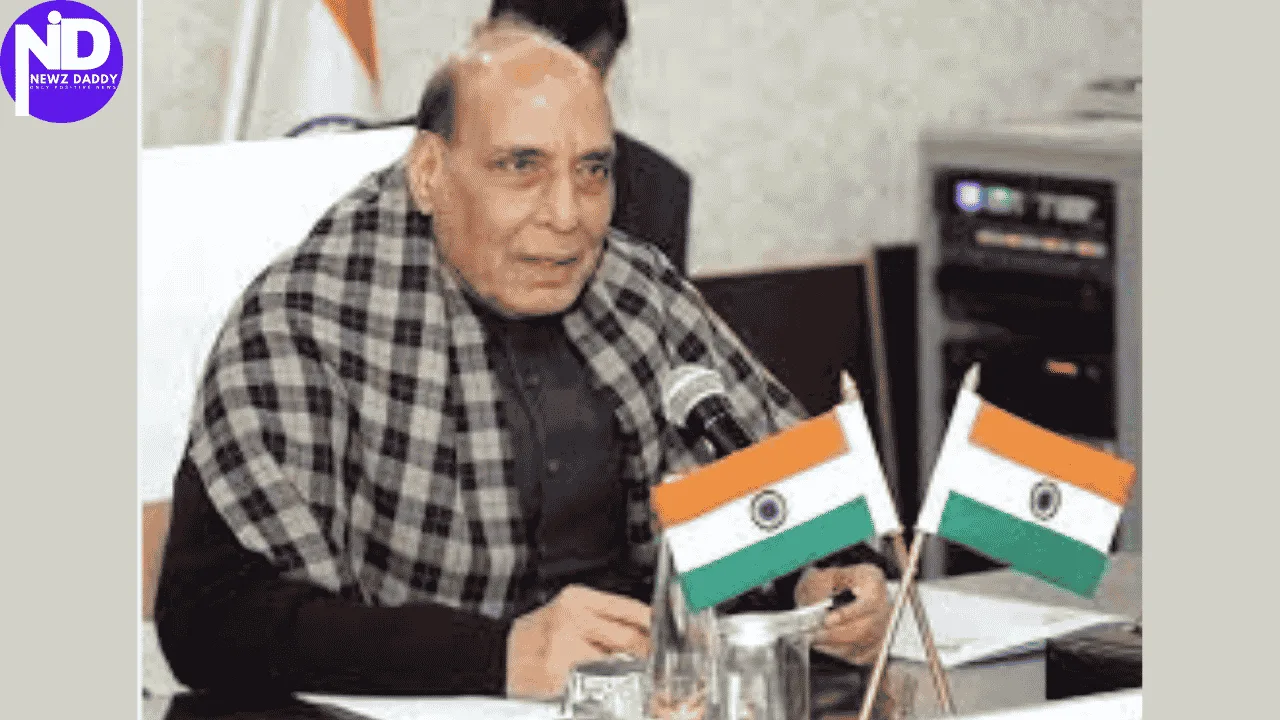
Raksha Mantri Shri Rajnath Singh has begun an important four-day visit to Vietnam and South Korea at a time when India is increasing its role in the Indo-Pacific region. The visit is focused on stronger military ties, defence production, maritime safety and regional peace. Officials believe the tour may open a new phase in India’s defence and strategic partnerships with both nations. Recent reports from regional defence experts and international policy groups have also pointed towards growing cooperation between India and Asian partners as tensions continue in the South China Sea and the wider Indo-Pacific region.
The Vietnam visit is especially important because this year marks 10 years of the Comprehensive Strategic Partnership between India and Vietnam. During the recent state visit of the Vietnamese President to India earlier this month, both nations upgraded their relationship to an Enhanced Comprehensive Strategic Partnership. Analysts say this upgrade shows that both countries now see each other as trusted long term partners in defence, trade and technology. India and Vietnam have also set a trade target of 25 billion US dollars by 2030, showing that economic and defence ties are moving together.
Shri Rajnath Singh will hold talks with Vietnam’s Minister of National Defence General Phan Van Giang. Defence experts believe maritime security and naval cooperation are likely to remain key subjects during the discussions. Vietnam has become one of India’s closest partners in Southeast Asia, especially in areas linked to naval training, coast guard cooperation and defence supplies. Reports over the past few years have suggested that both countries are also discussing advanced defence technologies and information-sharing systems linked to maritime safety and cybersecurity.
The visit also brings attention back to the ‘Joint Vision Statement on India Partnership towards 2030’ which was signed during Shri Rajnath Singh’s earlier Vietnam visit in 2022. Defence observers say this agreement created a roadmap for deeper military cooperation. It also included logistics support agreements that allow easier movement and support for defence operations between the two nations. Experts believe this has helped improve trust and coordination between the Indian and Vietnamese armed forces.
India’s growing defence ties with Vietnam are also being watched closely by other countries in the region. Several strategic journals and international observers have noted that China is carefully monitoring the expanding India-Vietnam relationship, especially because both countries support a free and rules-based Indo-Pacific region. Vietnam sees India as a reliable partner that supports peace and stability without putting pressure on smaller nations.
During the Vietnam visit, Shri Rajnath Singh will also pay tribute to former Vietnamese President Ho Chi Minh on his 136th birth anniversary. Ho Chi Minh remains one of the most respected leaders in Vietnam’s history. Indian leaders have often described him as a symbol of national unity and anti-colonial struggle. Diplomats say such gestures help strengthen people to people ties between India and Vietnam, beyond defence and politics.
After Vietnam, the Raksha Mantri will travel to South Korea for high level defence talks with South Korean Defence Minister Mr Ahn Gyu-back. India and South Korea have steadily increased defence cooperation over the past decade. Recent reports suggest that both countries are now planning a third phase of defence partnership that may include co-development of advanced weapons, missile systems and defence technologies.
Shri Rajnath Singh is also expected to meet officials from South Korea’s Defence Acquisition Program Administration. Defence industry experts say this meeting may help Indian and Korean companies work together in defence manufacturing. South Korea is already known for its strong defence industry, especially in shipbuilding, artillery systems and electronics. India’s push for domestic defence production could benefit from Korean technology and industrial partnerships.
One emotional part of the South Korea visit will be the joint inauguration of the Indian War Memorial. The memorial honours Indian soldiers who served during the Korean War. India’s 60 Parachute Field Ambulance unit earned respect across the world for treating thousands of injured soldiers and civilians during the war. Military historians often describe the Indian medical team as one of the finest humanitarian missions in the conflict. India also played a major diplomatic role through the Neutral Nations Repatriation Commission, helping prisoners of war return peacefully after the conflict ended.
Experts say this visit clearly shows India’s growing focus on the Indo-Pacific region through its ‘Act East Policy’. South Korea’s Indo-Pacific Strategy and India’s regional vision now share many common goals, including secure sea routes, peaceful trade and regional stability. Analysts believe stronger defence and economic ties with Vietnam and South Korea will help India increase its presence and influence in Asia in the coming years.