


Tourism Policing in Assam Gets Powerful Upgrade
Tourism Policing in Assam Drives Strong Security and Global Confidence
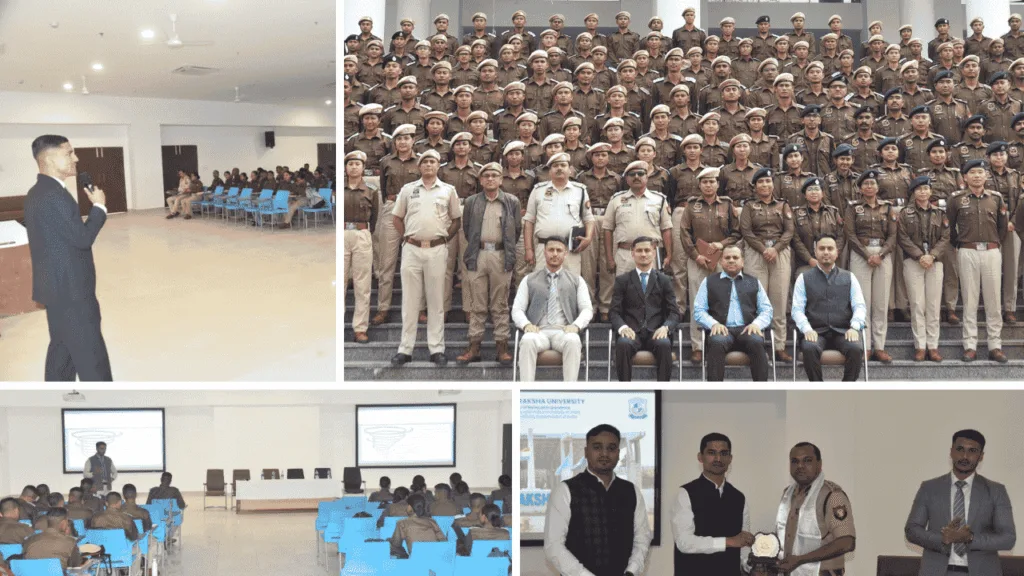
In a major step to strengthen tourism safety in the North East, Rashtriya Raksha University and the Assam Police have trained 155 police officers to modernise tourism policing in Assam. The programme was conducted at the Lachit Barphukan Police Academy, where 32 Deputy Superintendents of Police and 123 Sub Inspectors completed intensive sessions focused on smart, people-friendly and technology-driven policing.
Tourism policing is becoming more important across India. States such as Goa, Rajasthan and Kerala already run dedicated tourist police units. These officers are trained to guide visitors, handle complaints quickly and prevent petty crime. Assam is now joining this group with a structured and modern approach. With the rise in domestic travel after the pandemic and a steady increase in foreign tourists, the need for trained officers in tourist areas has grown sharply.
The training covered key legal frameworks that officers must understand while dealing with visitors. This includes the Foreigners Act, which regulates the entry and stay of foreign nationals in India. Officers were also briefed on tourist rights, which focus on safety, fair treatment and access to help. Special attention was given to the Bharatiya Nyaya Sanhita and the Bharatiya Nagarik Suraksha Sanhita, which replaced older colonial-era laws. These new laws aim to make the justice system faster and more citizen-focused. For tourism policing, this means quicker response to complaints, better victim support and clear procedures during investigations.
Experts say that legal knowledge alone is not enough in tourist zones. Officers often deal with language barriers, cultural differences and confused travellers. That is why the programme also focused on soft skills. Role play sessions helped officers practise calm communication during tense situations. For example, how to assist a foreign tourist who has lost a passport, or how to manage a crowd during a local festival. Such training builds confidence and reduces the chances of conflict.
Technology was another major focus. Across India, police forces are moving towards digital tools. Online complaint systems, facial recognition, cyber monitoring and GPS-based patrol systems are now common in many states. Officers in Assam were introduced to IT-enabled tools that can help them track cases, verify identities and provide quick assistance. With more travellers using online bookings and digital payments, cyber fraud in tourism has also increased. Trained officers can now respond better to such crimes.
The programme also included stress management and mental health awareness. Policing in tourist hotspots can be demanding, especially during peak seasons. Officers often work long hours and handle high-pressure situations. Sessions on nutrition, emotional control and mental resilience were included to ensure that officers remain fit and alert. Studies show that police wellbeing directly affects public behaviour and trust. A calm officer is more likely to resolve disputes peacefully.
Cultural sensitivity was given special importance. Assam is home to diverse tribes, languages and traditions. It is also the gateway to Southeast Asia. Tourists visiting Kaziranga National Park, Majuli Island or the Kamakhya Temple come from different parts of India and abroad. Officers were trained to respect cultural differences and avoid misunderstandings. This helps build a positive image of the state.
Assam’s location makes this initiative timely. The state connects India to countries like Myanmar and is central to the government’s Act East policy. With new investments in semiconductor plants, infrastructure and industry, safety becomes critical. Investors and tourists both look for stable and secure destinations. Strong policing helps improve global perception.
Across the world, tourism security is linked to economic growth. Countries such as Singapore and the United Arab Emirates have shown how smart policing improves visitor confidence. Clean systems, visible patrols and quick complaint handling attract repeat visitors. Assam is trying to follow similar principles within its own context.
Officials at the valedictory session discussed long-term integration of these trained officers into specialised units. If implemented well, these officers could be posted in major tourist hubs, airports and heritage sites. They may also work closely with local communities and tour operators. Community policing models in states like Kerala have shown that cooperation between police and citizens reduces crime and improves trust.
For Assam, tourism is more than leisure. It supports local artisans, guides, hotels and transport workers. A secure environment protects jobs and income. By training 155 officers with modern tools and updated legal knowledge, the state is sending a strong message that safety is a priority.
This collaboration reflects a broader shift in Indian policing. The focus is moving from force to service, from reaction to prevention. If the model succeeds, it could become a blueprint for other North Eastern states.
In a region rich with culture, wildlife and history, smart and sensitive policing can make all the difference. With this initiative, Assam is not just training officers. It is shaping a safer future for travellers and building trust in its governance system.
Must Read:
Gujarat Leads Emotional Shift in Correctional Administration