

Emotional Moment as New Gujarati Film Starts With Blessings
New Gujarati Film Brings Fresh Hope and Energy to Regional Cinema
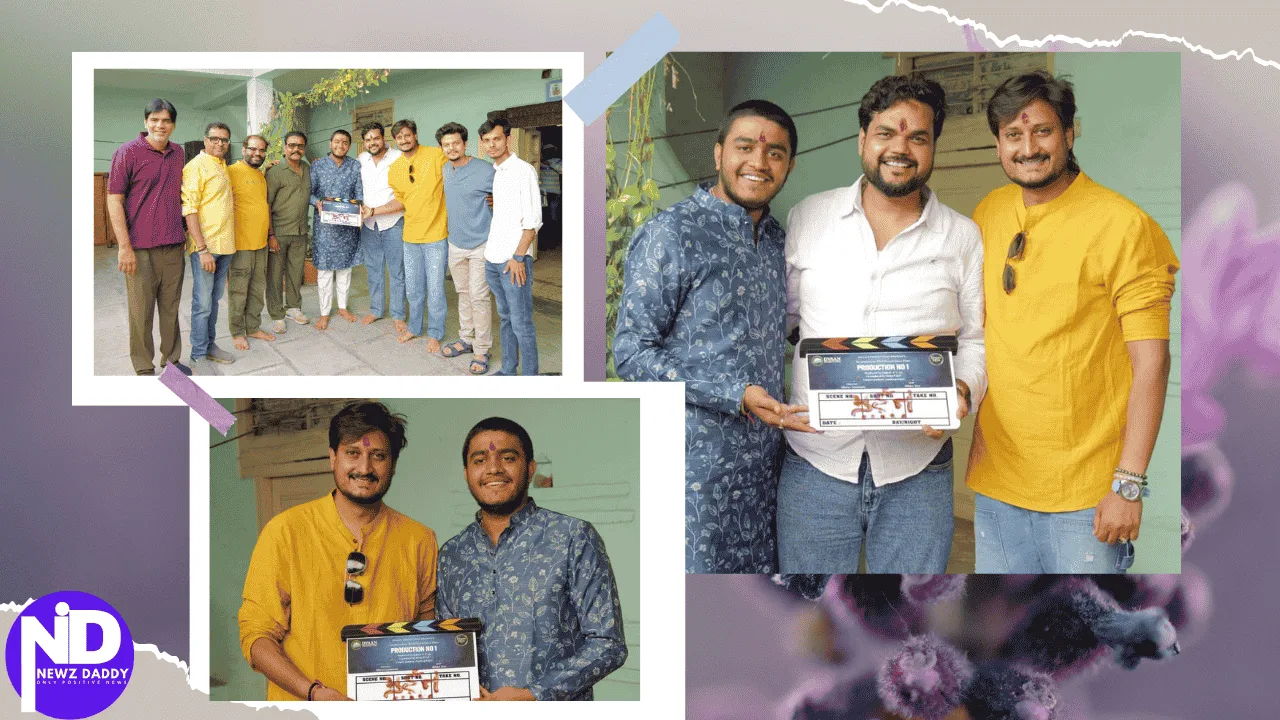
The Gujarati film industry is buzzing with fresh excitement as Dvaan Production recently announced its latest cinematic venture with a traditional Muhurat ceremony. In Indian cinema, a Muhurat ceremony is more than just a formal launch. It is a cultural ritual where the team seeks blessings before starting the film’s journey. Cast and crew usually gather for prayers, the first clap of the camera, and sometimes a symbolic first shot. This practice has been followed in the Indian film industry for decades and is still respected by filmmakers across Bollywood and regional cinema. It is believed that beginning the project with blessings brings good fortune to the film.
The film is being produced by Daksh A. Vasu, with Deep Patel joining the project as Co-Producer. This venture is being developed in association with Dream Yatra Films. In the world of filmmaking, the producer plays a crucial role in turning an idea into a finished film. Producers handle the overall planning of the project, including budgeting, scheduling, casting decisions, and managing the production team. Co-producers support the project financially or creatively and help ensure the film moves smoothly from pre-production to release. Collaborations between production houses have become increasingly common in regional cinema. Such partnerships allow filmmakers to share resources, reach a wider audience, and raise the overall production quality.
Adding to the core team is the well-known executive producer Kashyap Kapta, who serves as the Creative Producer for this project. The role of a creative producer is especially important in modern filmmaking. While traditional producers manage logistics and finances, creative producers focus on storytelling and the artistic direction of the film. They work closely with the director and writers to shape the film’s tone, style, and emotional impact. In regional cinema like Gujarati films, this role has become vital because audiences now expect stronger stories and higher production values. Over the past decade, Gujarati cinema has undergone a remarkable transformation, with better scripts and improved filmmaking techniques attracting a younger audience.
Taking the director’s chair is Dhruv Goswami, who aims to bring the story to life with his unique creative vision. A film director is often seen as the captain of the ship. The director guides the actors, decides how scenes will be shot, and ensures that every element of the film fits the story. From choosing camera angles to shaping performances, the director’s vision influences the final look and feel of the movie. In recent years, Gujarati cinema has welcomed a new generation of directors who are eager to experiment with storytelling styles while still keeping the cultural roots of Gujarat alive on screen.
The script is penned by the industry’s renowned writer and actor, Chetan Daiya, whose sharp and engaging writing style promises a captivating experience for the audience. Good writing is the backbone of any successful film. A strong screenplay gives actors meaningful roles and provides the structure for the entire film. Chetan Daiya is known in the Gujarati entertainment world for his talent in both acting and writing. Multi-talented artists like him often bring deeper understanding to the script because they know how scenes play out on screen and how actors perform in front of the camera. Gujarati cinema has recently seen a shift towards stronger storytelling, with writers focusing on relatable family themes, comedy, and emotional drama.
Cast and Crew The film features a talented ensemble cast including Shruhad Goswami, Krunal Pandit, Hemin Trivedi, and Reeva Rachh in pivotal roles. Ensemble casts have become a popular trend in modern films. Instead of focusing on only one lead character, ensemble storytelling allows multiple actors to contribute to the narrative. This style helps create richer stories and gives audiences several characters to connect with. Gujarati films often draw strength from strong character actors who bring authenticity and natural performances to the screen. Many actors in regional cinema also come from theatre backgrounds, which helps them deliver powerful and expressive performances.
Ensuring a high-quality visual experience, the cinematography and visual treatment are being handled by Bibhu Das. Cinematography plays a vital role in shaping how audiences experience a film. The cinematographer works closely with the director to decide how scenes will look on screen. Lighting, camera movement, framing, and colour all contribute to the mood of a film. In recent Gujarati films, cinematography has improved greatly as filmmakers adopt modern camera technology and visual storytelling techniques. This has helped regional films compete with larger industries and attract viewers who enjoy visually rich cinema.
The Muhurat ceremony saw immense enthusiasm from both the cast and the technical crew. Such ceremonies often bring together the entire film team for the first time. It gives actors, technicians, and producers a chance to celebrate the start of a new creative journey. In many cases, media representatives and industry well-wishers also attend these events to show their support. The positive energy at these gatherings often reflects the team’s confidence and excitement about the project.
While the film’s title and release date are yet to be revealed, the makers have promised to share these details soon. This project is expected to bring a fresh and interesting perspective to Gujarati cinema. Over the past decade, the Gujarati film industry has grown steadily, producing successful films that have performed well not only in Gujarat but also among Gujarati audiences living abroad. With new filmmakers, talented actors, and stronger storytelling, the industry continues to move forward with renewed creativity and ambition.