

AP Singh Flies Kiran Trainer 42 Years After First IAF Sortie
Air Chief Marshal AP Singh Completes Final IAF Flight in Kiran Trainer with His First Instructor
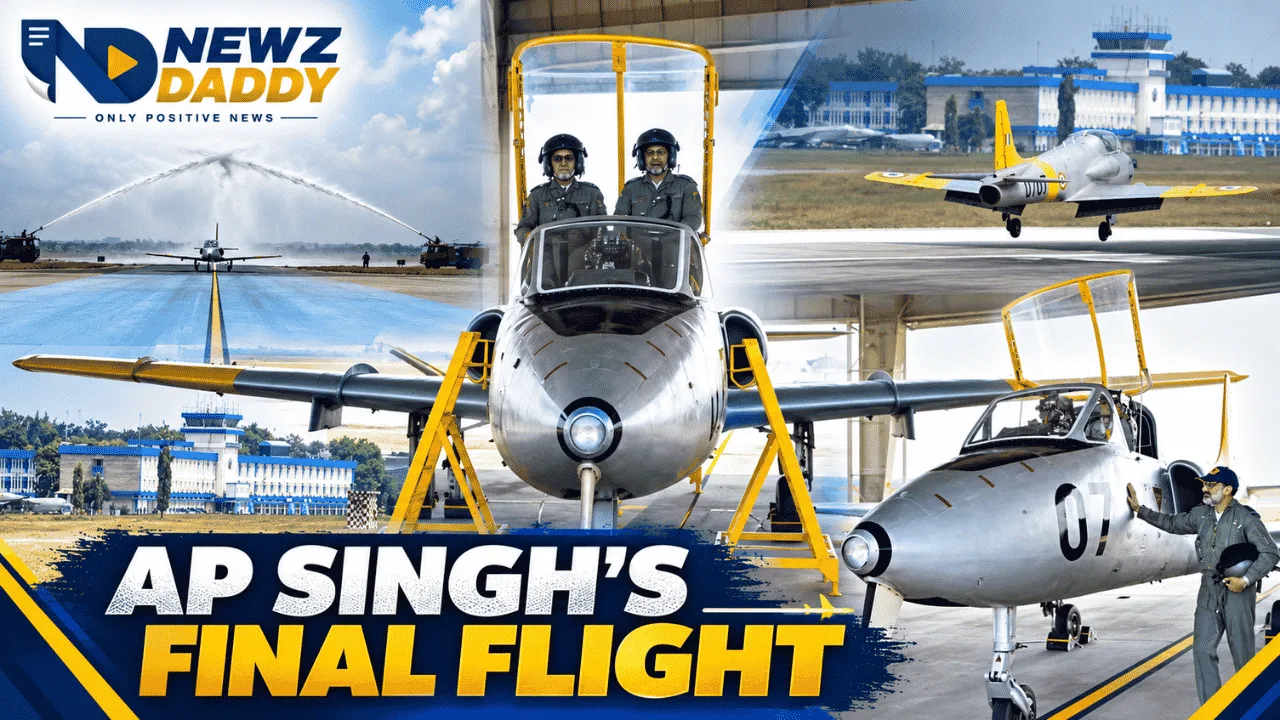
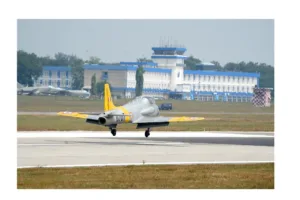
Air Chief Marshal AP Singh, Chief of the Air Staff of the Indian Air Force (IAF), completed his final flying sortie in an IAF aircraft on 20 October 2026, returning to the HJT-16 Kiran Mk-1 trainer for a flight with the instructor who taught him to fly more than four decades ago.
The 55-minute flight took place in aircraft U 707, with Wing Commander V. S. Kochar (Retd) accompanying the Air Chief Marshal. The meeting brought together two stages of Singh’s career: his first steps as a trainee pilot and his final flight as the head of the Indian Air Force.
AP Singh undertook his first flying sortie on 28 January 1984. More than 42 years later, his choice of aircraft for his last flight gave the occasion a personal link to the early years of his service.
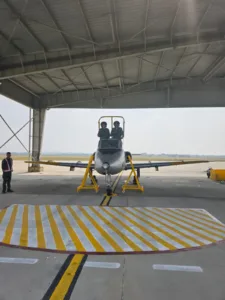
The sortie also drew attention to the role of flying instructors in military aviation. Their work begins with teaching new pilots the basics of controlling an aircraft and continues as they help aircrew develop the judgement and skills required for demanding flying duties.
AP Singh’s career in the Indian Air Force began in the fighter stream. He was commissioned on 21 December 1984, according to the Ministry of Defence.
AP Singh later trained as a Qualified Flying Instructor and an Experimental Test Pilot. By the time he became Chief of the Air Staff in September 2024, he had accumulated more than 5,000 hours of service flying on fixed-wing and rotary-wing aircraft.
His experience covered operational flying, aircraft testing and senior command appointments. He commanded a MiG-27 squadron and served as an Air Officer Commanding of an air base. As a test pilot, he led the MiG-29 Upgrade Project Management Team in Moscow, Russia.
AP Singh also served as Project Director (Flight Test) at the National Flight Test Centre, where he was responsible for flight testing work on the Light Combat Aircraft (LCA) Tejas programme. His later appointments included Air Defence Commander at South Western Air Command, Senior Air Staff Officer at Eastern Air Command and Vice Chief of the Air Staff.
His final Kiran flight therefore came after a career that included flying, testing aircraft and managing key parts of the Air Force’s operations.
The return to a trainer aircraft offered a direct connection to the training that started his professional life in the service.
The HJT-16 Kiran was developed by Hindustan Aeronautics Limited (HAL), India’s state-owned aircraft manufacturer, to meet the Indian Air Force’s need for a jet trainer. The aircraft first flew on 4 September 1964 and entered service in the late 1960s. It became a familiar sight at IAF training establishments over the following decades.
The Kiran has two seats, allowing an instructor and a trainee to fly together. This arrangement helps instructors teach aircraft handling, flight procedures and the skills needed before pilots move on to more demanding aircraft.
The aircraft also served the Indian Navy. Different versions, including the Kiran Mk-I, Mk-IA and Mk-II, were produced for military training duties.
For many years, the Kiran played a key part in preparing pilots for advanced jet training. Its place in the training system changed as newer aircraft arrived, but it remained closely linked to the development of Indian military pilots.
In May 2013, the Indian Air Force formally inducted the Swiss-made Pilatus PC-7 Mk II as its basic trainer at the Air Force Academy in Dundigal, near Hyderabad. The Ministry of Defence had signed a contract for 75 aircraft in May 2012. The PC-7 Mk II took over the basic training role, while the Kiran had been used for intermediate training and was also pressed into basic training duties after the HPT-32 trainer fleet was grounded in July 2009 over safety concerns.
This change formed part of a wider effort to update the equipment used to train new pilots. The Kiran’s long service has made it an important part of the Indian Air Force’s flying history.
Wing Commander V. S. Kochar’s presence on Singh’s final sortie gave the flight a personal meaning. Kochar had been Singh’s first flying instructor, making him part of the early training that set the officer on his career path.
Military pilots must learn to handle aircraft under different conditions while following strict safety rules. Instructors guide trainees through the early stages of flying and help them build the skills needed for more advanced training.
Their work also involves teaching judgement and discipline. A pilot must learn when to act, how to respond to changing conditions and how to follow procedures under pressure. These skills remain relevant throughout a flying career, including for officers who later move into command and senior staff roles.
The Indian Air Force’s training system relies on instructors to prepare pilots for different duties, including fighter, transport and helicopter operations. The aircraft and training methods may change, but the instructor’s role remains central to preparing aircrew for service.
AP Singh’s decision to fly with Kochar on his final sortie brought this relationship into focus. It linked the end of his flying career with the person who helped him begin it.
Singh took over as Chief of the Air Staff on 30 September 2024. His career has included operational command, flight testing and senior leadership within the Indian Air Force. His work on the Tejas flight-test programme and the MiG-29 upgrade project also placed him in roles connected with the testing and development of military aircraft.
The final sortie marked the end of his flying in an IAF aircraft. It did not mark the end of his wider responsibilities as the Air Chief, whose duties include overseeing the service’s operations, readiness and development.
For those who train and fly military aircraft, the Kiran remains a reminder of the years spent learning the profession. Singh’s 55-minute flight in U 707 brought that part of his career to a close, with his first instructor beside him.
His first sortie took place on 28 January 1984. The final one, on 20 October 2026, returned him to the type of aircraft associated with his early flying years. The meeting between the Air Chief Marshal and Wing Commander V. S. Kochar (Retd) also served as a reminder of the lasting connection between a flying instructor and the pilot he first taught.