


Rabari Embroidery Shines at London Fashion Week
Sonal Desai Launches Her Exclusive Rabari Embroidery Collection On The World Stage At London Fashion Week
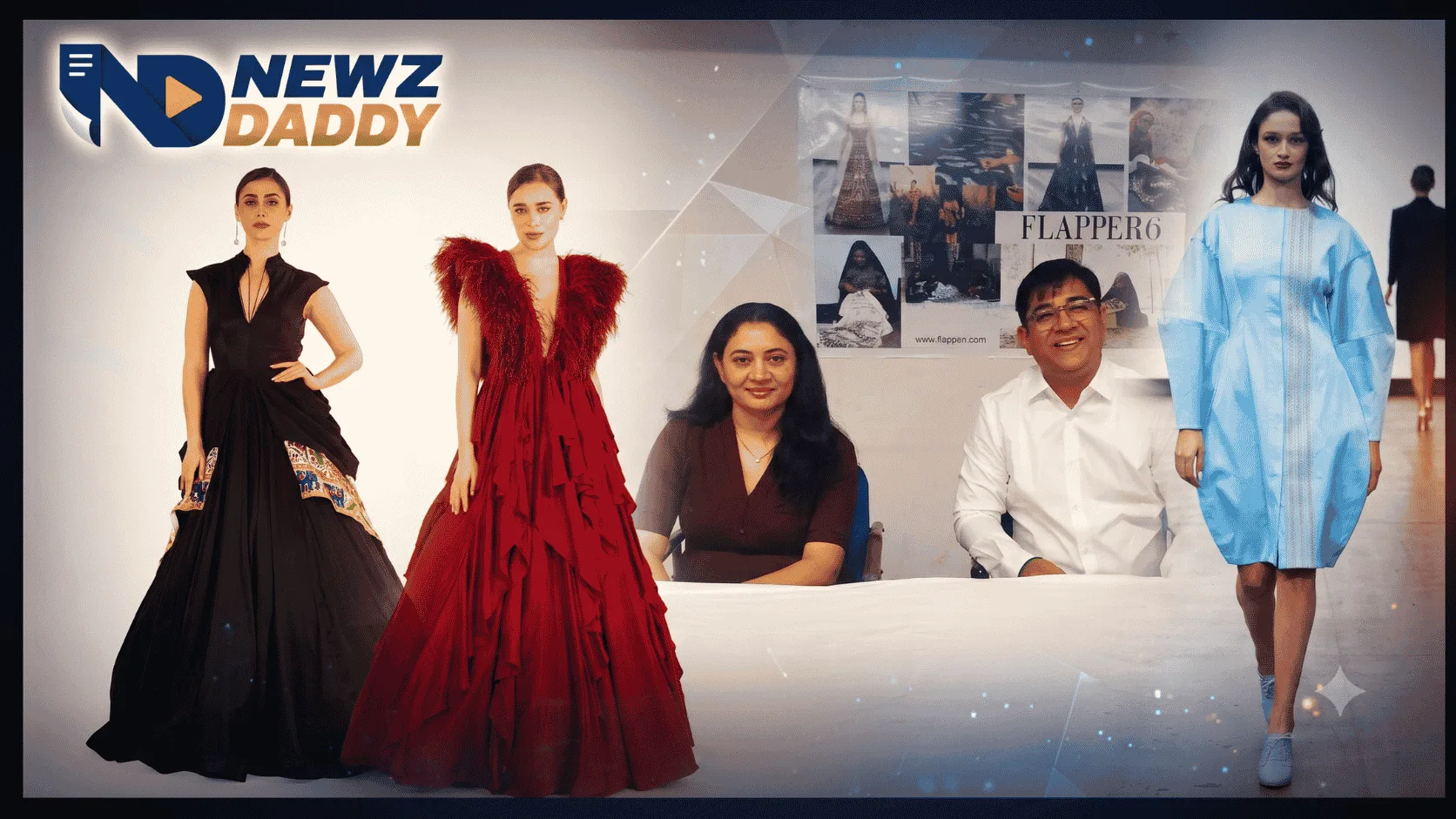
Traditional Indian embroidery from a small village in Gujarat recently shared the spotlight at one of the world’s biggest fashion events. On 20 September 2026, designer Sonal Desai presented her latest clothing collection at London Fashion Week. Her show took place at the Fashion Scout Protein Studios in Central London. The garments featured Rabari embroidery, an ancient style of hand-stitching known for its bright colours and tiny mirrors.
Sonal Desai comes from Randheja, a village in Gandhinagar, Gujarat. She belongs to the Maldhari community. The name ‘Maldhari’ comes from two local words: ‘mal’ meaning animal stock, and ‘dhari’ meaning owner. They are traditionally nomadic cattle herders who wander across the dry lands of Gujarat searching for pasture for their animals. Because they travel so much, their art is something they can carry with them. For hundreds of years, the women in this community have used needlework to decorate their clothes and homes. Today, Desai runs her own fashion brand called FLAPPER6. By bringing this village craft to the catwalk in London, she showed the global fashion industry what rural Indian artisans can do.
London Fashion Week ran from 17 to 21 September 2026. It is one of the “Big Four” fashion events in the world, alongside New York, Milan, and Paris. Every September, thousands of buyers, journalists, and fashion fans gather in the city to see what people will be wearing next year. The Fashion Scout Protein Studios, where Desai held her show, is well known for supporting independent and international talent. For a brand from a small village in Gujarat to present their work here is a major achievement.
Desai’s collection for the event is called Summer 2027 “BECOMING”. It included 25 different outfits. Each piece mixed old traditions with modern fashion trends. The clothes used Rabari stitching and Jaco beadwork alongside modern materials like wool, leather, and digital prints. Hand-painted details added extra colour to the garments. The bright patterns and detailed needlework caught the attention of fashion buyers and reporters from many different countries.
To understand why these clothes are special, you have to look at how they are made. Rabari embroidery is not quick or easy. It takes months of careful work by hand. The women use tight stitches to create shapes of flowers, animals, and local myths. They also sew small pieces of glass into the fabric, which makes the clothes sparkle under the lights. Historically, a Rabari woman would make these clothes for her own family or for her wedding. Now, these skills are helping women earn a living.
Making the 25 outfits for London Fashion Week took a large team. More than 80 women artisans worked with Desai on this project. By giving them this work, FLAPPER6 helps these women support their families. It also keeps an old craft alive. When younger generations see their traditional art celebrated in places like London, they are more likely to want to learn the skills themselves.
Sonal Desai felt very proud to represent her home. “London Fashion Week is one of the top five fashion shows in the world,” she said after the event. “It is a very proud moment for me, my community, and my country to show our Maldhari embroidery to the world and get such a great response. I give this international success to my community. Rabari embroidery is not just work on clothes. It is our rich culture and our identity.” She mentioned that taking this art to an international audience had been her dream since childhood.
Shaileshbhai Desai, the co-founder of FLAPPER6, explained the business side of the project. He pointed out that all the clothes followed the ‘Make in India’ theme. The Make in India campaign is a government plan started in 2014. It encourages companies to manufacture their products inside India to create jobs and boost the local economy.
Shaileshbhai noted that competing in London means following strict rules for quality. “In this fashion show, we tried to mix rich Indian handcrafts with modern designs,” he said. “We wanted to make a new name in the global fashion world. We strictly followed high international quality rules. Because of this, our brand received a lot of praise and fame in the news all over the world.” Meeting these global standards means the clothes have to be well-made, durable, and comfortable, not just pretty to look at.
The success of the “BECOMING” collection shows that buyers want clothes with a real story behind them. Many people are moving away from mass-produced factory wear and looking for clothes made by real artisans. Sonal Desai and her team of 80 artisans have shown that local village crafts can compete on the world’s biggest stages.
For more information, Shailesh Desai can be contacted on 99796 62626.