


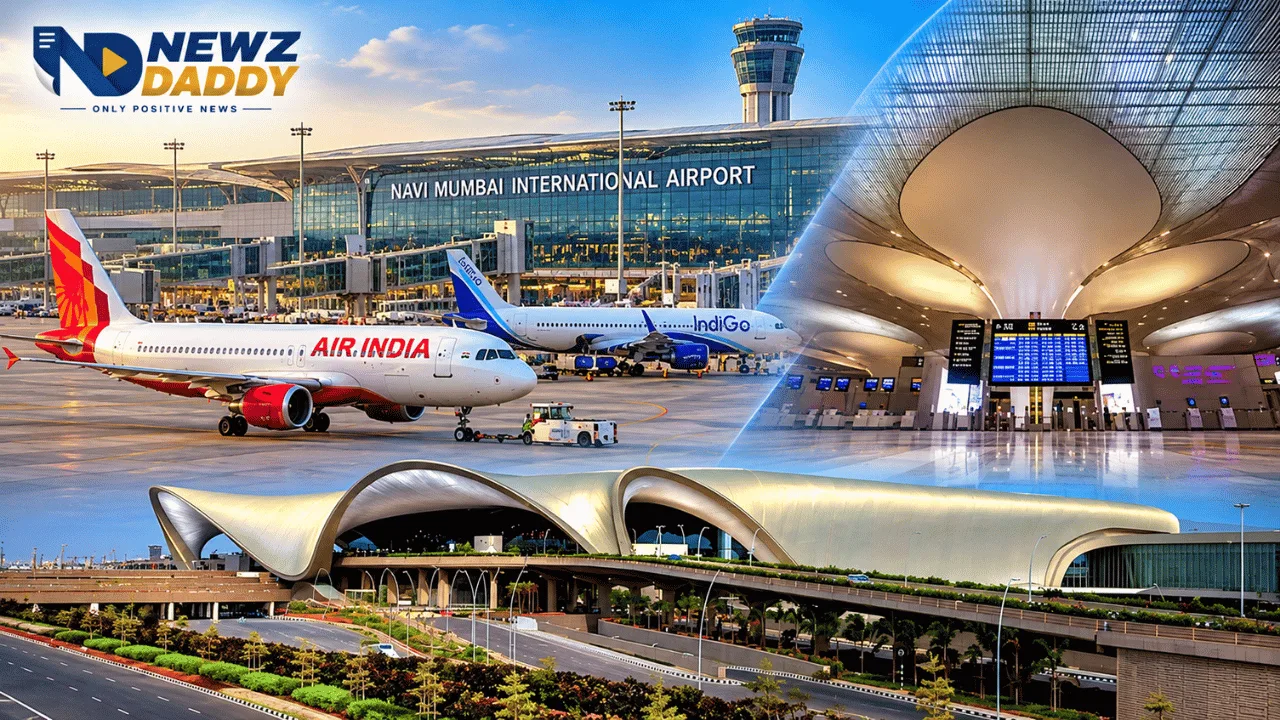
Air India Group Plans Phased Shift to Navi Mumbai By 2027
Air India Express to Shift Flights to Navi Mumbai as Mumbai Airport Prepares for Terminal 1 Redevelopment
Air India Express will begin moving selected domestic and international flights from Mumbai’s Chhatrapati Shivaji Maharaj International Airport (CSMIA) to Navi Mumbai International Airport (NMIA) from December 2026. The shift will support the planned redevelopment of Terminal 1 at Mumbai’s existing airport, with the transfer of several West Asia routes expected to continue into 2027.
Air India Group and Adani Airports announced the plan on 25 October 2026. Under the first phase, Air India Express will operate four domestic flights daily from NMIA from December. Services to Oman are scheduled to move there from January 2027, alongside planned flights to Kuwait, subject to the necessary approvals.
The airline also intends to transfer services to Jeddah, Riyadh, Dammam, Doha, Muscat and Sharjah. The wider shift is expected to be completed by the International Air Transport Association’s (IATA) Northern Summer 2027 season, which begins in late March and runs through October.
The changes will affect passengers who currently use Mumbai’s existing airport for these destinations. Travellers will need to check their tickets and flight details carefully, as a move to NMIA will change the airport from which their flights depart or arrive.
The decision comes as Mumbai prepares for work on Terminal 1, a major part of its existing airport. The redevelopment is scheduled to begin in January 2027. According to Adani Airport Holdings Limited (AAHL), the project will address safety concerns linked to the ageing terminal and increase its capacity after the work is completed.
CSMIA handled around 55.5 million passengers in 2025, according to airport figures reported in January 2026. This included approximately 39.2 million domestic passengers and 16.3 million international travellers. Passenger numbers rose by about 1.3 per cent compared with 2024, when the airport handled 54.8 million people.
The figures show the pressure on Mumbai’s existing airport as air travel continues to grow. CSMIA is one of India’s busiest airports and serves a city that is a major centre for finance, trade and business. Its limited room for expansion makes the development of a second airport an important part of the region’s aviation plans.
Navi Mumbai International Airport is intended to share this growing demand. Located in the Navi Mumbai area of Maharashtra, the airport is being developed by Adani Airport Holdings and is designed to serve the wider Mumbai Metropolitan Region. Its operations are expected to provide airlines with another base for domestic and international services.
The Air India Group transfer forms part of a wider plan involving airlines that operate from CSMIA. IndiGo and Adani Airport Holdings also announced on 25 October that they were working towards starting international flights from NMIA in February 2027. IndiGo plans to move 12 daily international departures from Mumbai’s existing airport and add a daily service to Kathmandu. The planned transfer covers routes serving destinations including Bahrain, Riyadh, Dammam, Jeddah, Madinah, Kuwait, Ras Al Khaimah, Fujairah, Muscat, Dhaka and Jakarta. The airline expects its international network at NMIA to cover 12 destinations between February and July 2027.
These changes are linked to the work planned at Terminal 1. Moving some flights to NMIA will help airlines adjust their schedules while construction takes place at CSMIA. The existing airport is expected to continue handling most of its traffic during the redevelopment, according to plans announced by Adani Airports.
The transfer has also raised questions about how airlines will share flights between the two airports. A report by The Indian Express on 26 October said the Airline Operators Committee in Mumbai had objected to the proposed wider changes, arguing that airlines had not received enough evidence or justification for the proposed reduction in slots at CSMIA. Further discussions between airport operators, airlines and other stakeholders were expected.
Flight slots determine when an aircraft can take off or land at an airport. They are particularly important at busy airports, where demand can exceed the available operating times. Air India Group said the phased transfer would allow it to continue serving the Mumbai market while preserving its existing operating slots at CSMIA. The final arrangements will depend on the wider transition plan and the approvals required for individual services.
For passengers, operating from two airports could offer more flight choices as NMIA adds services. The practical effect will depend on flight schedules, ticket prices and how easily travellers can reach their chosen airport. Passengers travelling to or from Mumbai will need to account for the location of their departure terminal when booking flights or planning onward journeys.
Adani Airport Holdings has said NMIA is being developed with modern airport systems, links to other transport networks and room for future growth. The transfer of Air India Express services marks another step in the planned division of flight operations between the two airports.
The coming months will determine how smoothly airlines adjust their services while work proceeds at Terminal 1. For Mumbai’s air travellers, the main change will be the gradual arrival of more flights at Navi Mumbai, alongside continued operations at CSMIA.