


Military Civil Fusion Powerful Public Trust
Synergised Efforts, Stronger Together- United in Mission Military Civil Fusion Week by Golden Katar Division
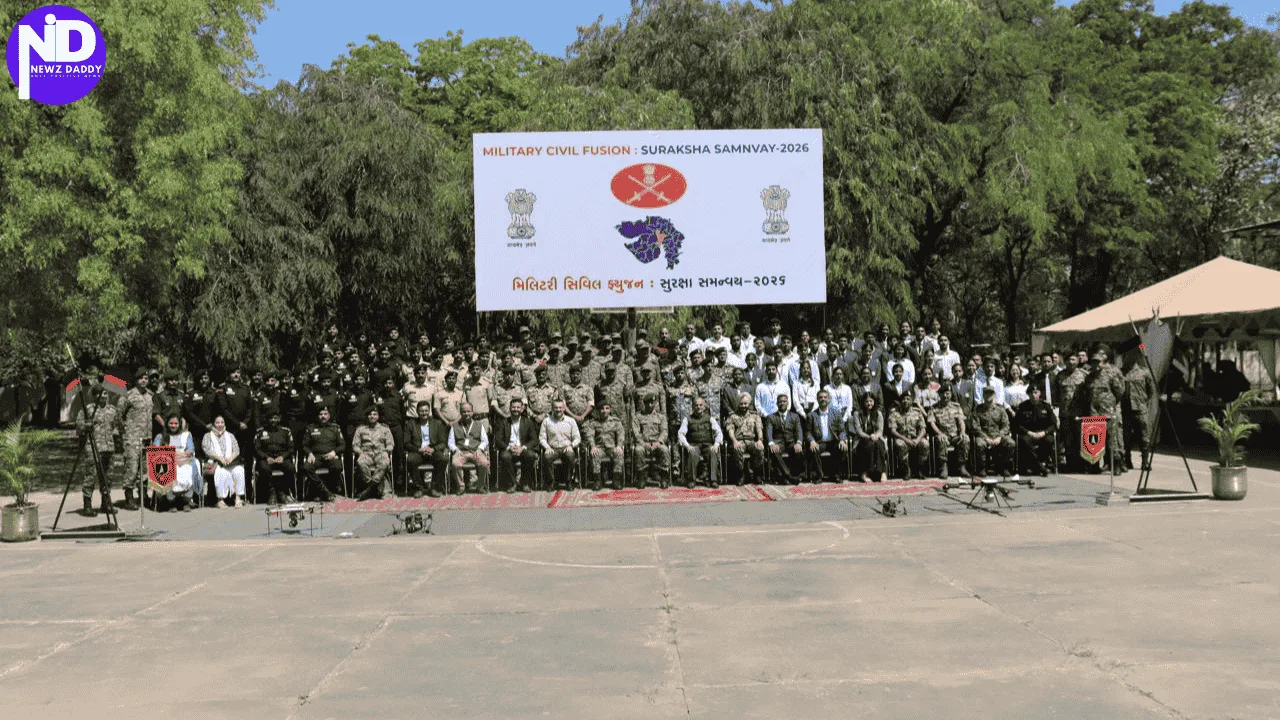
The Golden Katar Division conducted Military Civil Fusion Week from 02 to 06 March 2026, a multi-dimensional outreach initiative designed to strengthen civil-military synergy, promote strategic awareness, and showcase the evolving role of the Indian Armed Forces in national development, technological advancement, and humanitarian response. In recent years, the division has become a key bridge between the Army and civil authorities in Gujarat, holding regular fusion events and planning meetings with district administrations in places like Jamnagar, Porbandar and Rajkot to improve coordination during crises. Across India, this idea of civil-military fusion is now seen as a national priority, where the armed forces, industry, scientists and universities work together to solve shared security and development challenges.
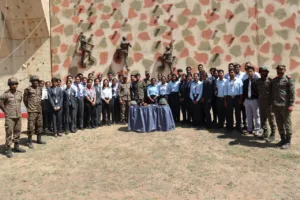
Structured around carefully curated thematic engagements, the week-long programme of Military Civil Fusion will bring together representatives from the Armed Forces, Central Armed Police Forces, disaster management agencies, defence industry partners, leading academic institutions, and civil administration. Similar multi-agency exercises, such as “Sanyukt Vimochan 2024” held in Ahmedabad and Porbandar, have already shown how joint drills with NDMA, NDRF, state forces and the military can sharpen response during floods, cyclones and earthquakes. By inviting universities and industry into the same forum, the Golden Katar initiative reflects a wider move in India to build a common vision on security, where laws, policies and shared training encourage long-term civil-military teamwork. The initiative of Military Civil Fusion aims to foster collaborative dialogue, enhance public understanding of defence capabilities, and highlight integrated approaches to emerging security and developmental challenges. For many young participants, this is also a first chance to see how the armed forces support daily life, from keeping rail lines running in emergencies to restoring power and bridges after disasters.
The opening day, themed “Sahakarita – Collaborative Effort,” will provide participants with an overview of the Indian Armed Forces’ organisational structure, operational ethos, and modernisation initiatives. In recent years, the Army has focused strongly on jointness between services, theatre commands and joint exercises with friendly foreign nations, so that forces on land, sea and air can act together faster and more efficiently. Interactive sessions on futuristic weapon systems, exposure to military drone capabilities, and equipment displays will offer participants an immersive insight into contemporary defence technologies. India has been pushing hard on home-grown drone projects like TAPAS and other indigenous UAVs, while private firms now build advanced drones for border surveillance, counter-insurgency and disaster relief, making this a natural area to showcase during the week. For local students and innovators, seeing these systems up close can spark interest in careers in defence technology, robotics and aerospace engineering.
Day two, “Rashtra-Nirman – Role in Nation-Building,” will focus on the contributions of security forces and national institutions towards infrastructure development and societal resilience. The Indian Army has a long record of building roads, bridges and basic services in remote and border areas, often working with agencies like Indian Railways to open lifelines for trade, mobility and emergency evacuation. Discussions involving CAPFs and Indian Railways will underline the interconnected role of defence preparedness, infrastructure growth, and national progress. In times of flood or landslide, Army engineers, railway teams and local police work together to restore tracks, clear routes and move essential supplies, showing how security and development are tied together on the ground. These efforts also link with India’s wider goal of becoming a developed nation by 2047, where robust infrastructure, secure borders and strong public services grow side by side.
The third day, themed “Apada-Sahayata, Parivartan & Margrekha,” will examine Disaster Relief and evolving geopolitical dynamics in South Asia and future pathways towards Viksit Bharat 2047*. India’s armed forces are now central to humanitarian assistance and disaster relief at home and abroad, from massive flood operations such as “Operation Rahat” to swift help during earthquakes and landslides. Expert interactions with defence industry leaders and academic institutions will explore emerging technologies, drone manufacturing, strategic transformation, and the expanding role of the Indian Defence Forces in a rapidly changing security landscape. Drones, satellite links and modern communication systems already support search and rescue, damage mapping and delivery of medicines during disasters, helping teams reach cut-off villages faster and more safely. These dialogues also touch upon how India aims to use self-reliant defence technology and strong partnerships to protect its interests in the region while contributing to peace and shared growth.
The week will culminate with a Samapan (Closing Ceremony) featuring a visual recap of activities, exchange of ideas among participating agencies, and reaffirmation of the importance of sustained civil-military collaboration in shaping a secure and progressive nation. Similar closure sessions in past Golden Katar events and Southern Command exercises have often led to clear action points, such as setting up regular liaison meetings, updating disaster plans and refining communication channels between the Army and district officials. For participants, the closing ceremony is also a space to reflect on lessons learnt, from best practices in joint drills to new ways to involve local communities in preparedness.
Through Military Civil Fusion Week, the Golden Katar Division seeks to reinforce the bond between the Armed Forces and civil society, encourage knowledge exchange, and promote a shared vision of national resilience, innovation, and inclusive development. This fits into a broader pattern where India treats civil-military fusion as a long-term national security and development tool, using shared talent from the forces, industry, academia and administration to manage both traditional threats and new challenges like cyber risks and climate-linked disasters. As Gujarat has seen in past joint exercises and planning sessions led by the Golden Katar Division, strong relationships built in peacetime can save lives, protect infrastructure and speed up recovery when crises strike. For citizens in and around Ahmedabad, this week sends a clear signal that the armed forces are not only guardians of the borders but also steady partners in building a safer, stronger and more confident India.