


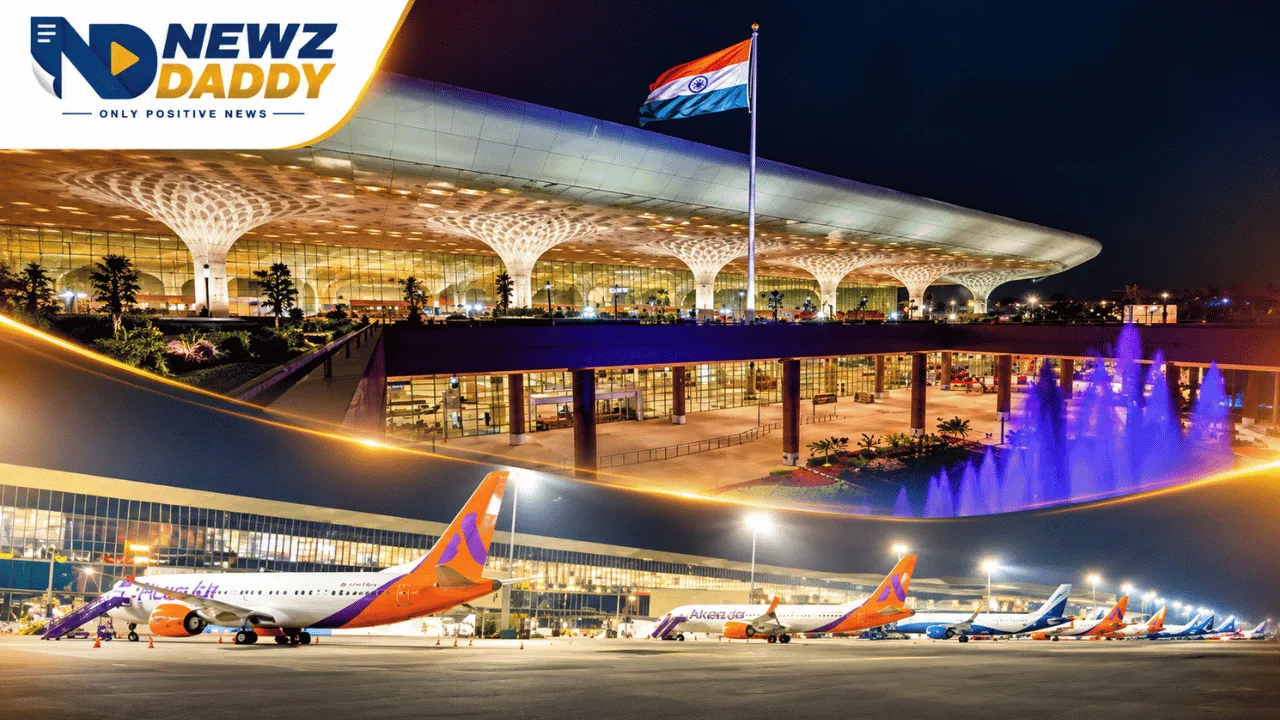
Adani Airports Brings 360 ONE Asset Into Its Investor Group
Adani Airports Raises $300 Million From 360 ONE Asset, Taking Total Equity Funding to $1.35 billion
Adani Airport Holdings Limited (AAHL) has agreed to raise ₹2,790 crore (approximately $300 million) from 360 ONE Asset, bringing total equity funding to around $1.35 billion. The latest investment follows an earlier $1 billion agreement with a group of domestic and international investors, valuing AAHL at approximately $18 billion before the new shares were issued.
The agreement, announced in Ahmedabad on 23 November 2026, gives 360 ONE Asset the same investment terms and valuation offered to the earlier investors. Once both transactions are completed, the participating investors are expected to hold a combined 7.01% stake in the airport company.
The deal adds another Indian financial institution to the group of investors backing Adani’s airport business. It also comes as AAHL prepares for a major expansion of its airport network, with a stated target of increasing annual passenger-handling capacity from approximately 96 million to 200 million.
The investment comes as India’s aviation industry handles a growing number of passengers. According to the Ministry of Civil Aviation’s 2025 annual report, Indian airports handled approximately 420 million passengers during 2025, compared with 400.78 million in 2024. This represented an increase of around 4.8%. Domestic passengers accounted for 338.91 million, while international passenger traffic reached 81.13 million. The figures underline the demand for additional airport facilities and better passenger services across the country.
AAHL was incorporated in 2019 as a wholly owned subsidiary of Adani Enterprises Limited. The company entered the airport business after winning the right to operate, manage and develop six airports through agreements with the Airports Authority of India. These airports were Ahmedabad, Lucknow, Mangaluru, Jaipur, Guwahati and Thiruvananthapuram.
Its portfolio later expanded through its interests in Mumbai International Airport Limited and Navi Mumbai International Airport. AAHL now has eight airports in its network: Mumbai, Navi Mumbai, Ahmedabad, Lucknow, Mangaluru, Jaipur, Guwahati and Thiruvananthapuram.
The network gives the company a presence in several major Indian cities and important regional travel markets. Ahmedabad’s Sardar Vallabhbhai Patel International Airport serves Gujarat, while Mumbai’s Chhatrapati Shivaji Maharaj International Airport is a major gateway for domestic and international passengers. Guwahati provides air links to the North-East, while the airports in Kerala and Karnataka serve important southern markets.
According to Adani’s FY2026 airport figures, its network handled approximately 96.4 million passengers and accounted for around 24% of India’s passenger traffic. The company also reported that its airports handled approximately 33% of the country’s air cargo.
The opening of Navi Mumbai International Airport has added another major facility to the company’s airport portfolio. The airport began commercial operations on 25 December 2025, with an initial passenger-handling capacity of 20 million passengers annually. International flight operations began on 15 July 2026, according to an October 2026 credit assessment of Adani Enterprises.
The new Adani airport is expected to support the Mumbai Metropolitan Region, where passenger demand has placed pressure on existing airport facilities. Its development also gives AAHL another large airport through which it can expand its operations and commercial activities.
AAHL has identified airport modernisation, passenger facilities and airport-linked commercial development as major areas for spending.
The proposed work includes upgrading existing airport facilities, improving passenger services and expanding businesses that earn revenue outside regular aviation operations. These include retail outlets, restaurants, hospitality services and other commercial activities within airport premises.
The company also plans to develop Adani Airport Cities. These projects are intended to bring hotels, shops, entertainment facilities, offices and other commercial services around its airports. The idea is to create business and service areas connected to air travel, while giving passengers access to additional facilities.
AAHL has already announced airport-city development plans covering more than 655 acres across five states. The projects involve several architecture, construction and consultancy companies, including Kohn Pedersen Fox, Benoy, Larsen & Toubro, Tata Projects and PSP Projects.
The proposed expansion will require substantial spending. Airport development involves investment in terminals, runways, passenger facilities, security systems, technology and transport connections. Operators must also maintain existing facilities while preparing for future traffic.
360 ONE Alternates Asset Management Limited operates in India’s alternative investment market. Its investment areas include private equity, private credit, real assets and renewable energy. The company provides investment products that give investors access to businesses and physical assets outside traditional listed shares and bonds.
Its participation in AAHL adds another financial institution to the investor group formed earlier this year. The initial consortium includes Alpha Wave Global, Premji Invest, Temasek and funds managed by BlackRock.
The latest agreement also places 360 ONE Asset under the existing shareholders’ agreement signed with the earlier investors. However, the investment remains subject to the completion of the required conditions and applicable approvals.
Jeet Adani, Non-Executive Director of Adani Airport Holdings Limited, said: “This partnership is yet another milestone in building out the Adani Airports platform. Having such marquee, long-term investors on board is a testament to their confidence in India’s aviation growth story,” said Mr Jeet Adani, Non-Executive Director, Adani Airport Holdings Limited. “We are committed to developing a complete ecosystem around our airports by transforming them from simple transit hubs into vibrant airport cities that merge aviation, commerce, leisure, and regional logistics to drive sustained national growth,” he added.
The proposed increase in passenger capacity from around 96 million to 200 million annually will depend on the completion of airport upgrades, new facilities and related commercial projects. The company has set out its expansion target, while the latest investment provides another source of equity funding for its plans.
For India’s aviation industry, the deal comes as passenger numbers continue to rise and airport operators prepare for higher demand. The use of fresh private investment will remain an important part of funding the next phase of airport construction and expansion.