

Ahmedabad leads with Geriatric Healthcare Conference
Pioneering Geriatric Healthcare: Gujarat Hosts the GSI Midterm National Conference 2026
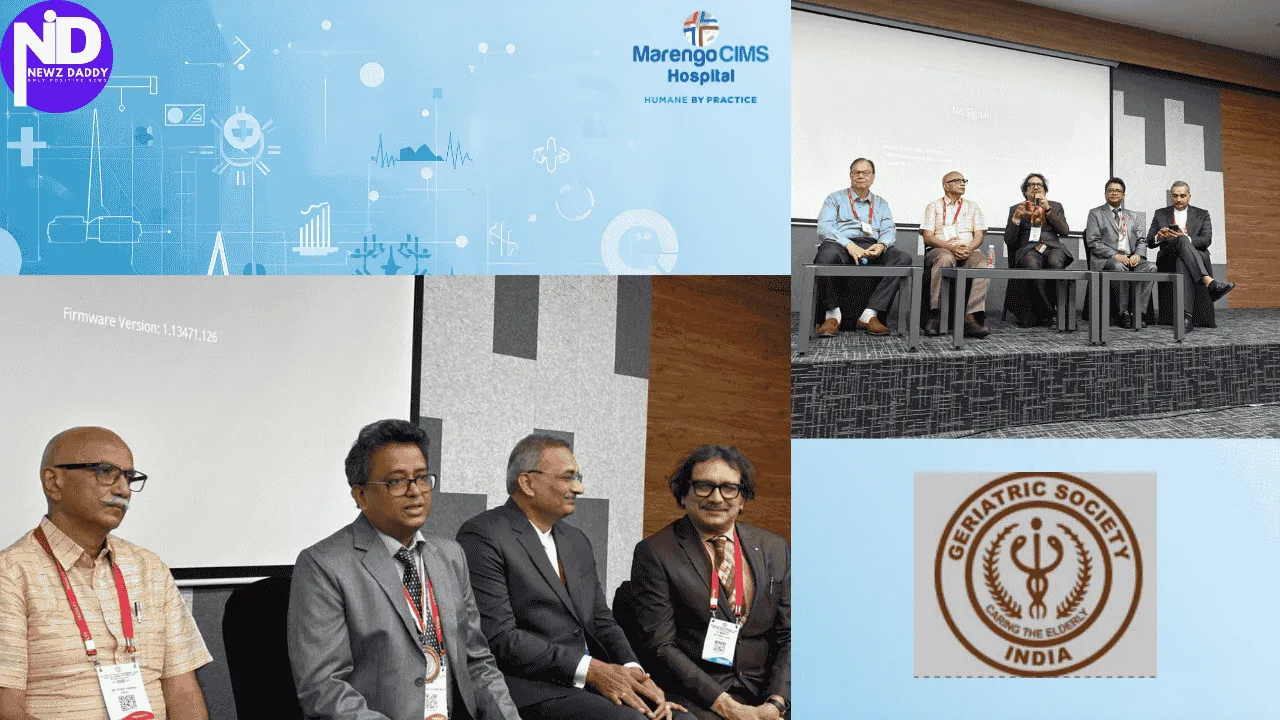
The Gujarat State Chapter of the Geriatric Society of India (GSI) is proud to announce the GSI Midterm National Conference 2026, scheduled for April 18th and 19th, 2026. This landmark event was held at the prestigious Atal-Kalam Research Park Auditorium, Gujarat University, marking a significant milestone as the first of its kind in the state.
As India’s elderly population continues to grow, the need for specialised medical expertise and dedicated clinical practices has never been more critical. This conference serves as a vital platform for healthcare professionals to exchange knowledge, discuss contemporary challenges, and explore innovations in the field of geriatric medicine.
The two-day conference is thoughtfully curated to bridge the gap between current clinical practices and emerging medical advancements in geriatric care. It features keynote lectures by eminent faculty and national leaders, offering valuable perspectives on the evolving landscape of elderly healthcare. Engaging panel discussions bring together experts from diverse disciplines to deliberate on integrated approaches to geriatric health and policy frameworks. Complementing these are case-based sessions that provide practical insights into managing complex medical scenarios involving senior citizens, ensuring a well-rounded and application-oriented learning experience for participants.
A Call to Action for Healthcare Professionals – “Our goal is to advance the standards of elderly care through robust academic discourse,” says the organising committee. “By bringing together the brightest minds in the country, we aim to foster a healthcare ecosystem that is better equipped to handle the unique needs of our ageing population.”
India is seeing a fast rise in its elderly population. Recent government estimates show that people aged 60 and above may cross 300 million by 2050. This means nearly one in five Indians could be a senior citizen. Doctors and health experts often say that ageing is not just about years. It brings new health problems like weak bones, memory loss, heart disease, and long-term illnesses. Many of these need special care, which general medical training does not always cover in detail.
Reports from global health journals show that older adults often live with two or more health conditions at the same time. For example, a person may have diabetes along with high blood pressure and joint pain. Treating such cases needs careful planning. Doctors must balance medicines and watch for side effects. This is why geriatric medicine has become an important field across the world, including in India.
In many cities, hospitals are now setting up special geriatric wards. These units focus on comfort, safety, and slow recovery. Simple changes like non-slip floors, easy beds, and better lighting can reduce injuries. Studies have shown that falls are one of the biggest risks for older adults. Even a small fall can lead to serious problems like fractures. Conferences like this help doctors learn how to prevent such risks through better design and care.
Mental health is another key concern. Many older people face loneliness, anxiety, or depression, especially after retirement or the loss of a partner. Research published in medical journals highlights that nearly 20 per cent of elderly people may experience mental health issues, but many do not seek help. Experts at such conferences often stress early screening and family support. Simple steps like regular social interaction, light exercise, and counselling can make a big difference.
Nutrition also plays a major role in elderly health. With age, appetite may reduce, and the body may not absorb nutrients well. Doctors now advise simple diets with enough protein, calcium, and vitamins. For example, adding milk, pulses, and fresh fruits can help maintain strength. Case discussions in such conferences often show how small dietary changes improve recovery in older patients.
Technology is slowly changing geriatric care as well. Telemedicine has made it easier for elderly patients to consult doctors from home. Wearable devices can track heart rate, sleep, and activity levels. Some hospitals in India are already using these tools to monitor patients remotely. Experts believe this will grow in the coming years, especially in cities like Ahmedabad, where digital access is improving.
Public health policy is also gaining focus. Government schemes like the National Programme for Health Care of the Elderly aim to improve access to treatment at primary and district levels. Still, experts say more trained professionals are needed. Events like the GSI conference help train young doctors and nurses to handle age-related issues with care and patience.
Family support remains the backbone of elderly care in India. Unlike many Western countries, older adults often live with their families here. This provides emotional strength, but it also places responsibility on caregivers. Medical experts suggest simple training for family members, such as how to manage medicines, recognise warning signs, and provide basic support at home.
By bringing together research, real-life case studies, and policy discussions, this conference creates a strong platform for change. It not only shares knowledge but also builds a network of professionals who can improve elderly care across the country. The discussions held here are expected to guide future healthcare practices and encourage more focus on the needs of senior citizens.
Must Read:
Autism Awareness in Ahmedabad: Big Relief for Parents
How To Choose the Right Primary Care Physician for Your Family?