

Grameen Mahotsav Opens at Ahmedabad’s Sindhu Bhawan Today
Ahmedabad Hosts Three-Day Exhibition of Traditional Crafts from Across India
Grameen Bharat Mahotsav Gujarat 2026 brings GI-tagged products and rural artisans to Sindhu Bhawan from November 27 to 29, with Gujarat’s traditional crafts among the main attractions.
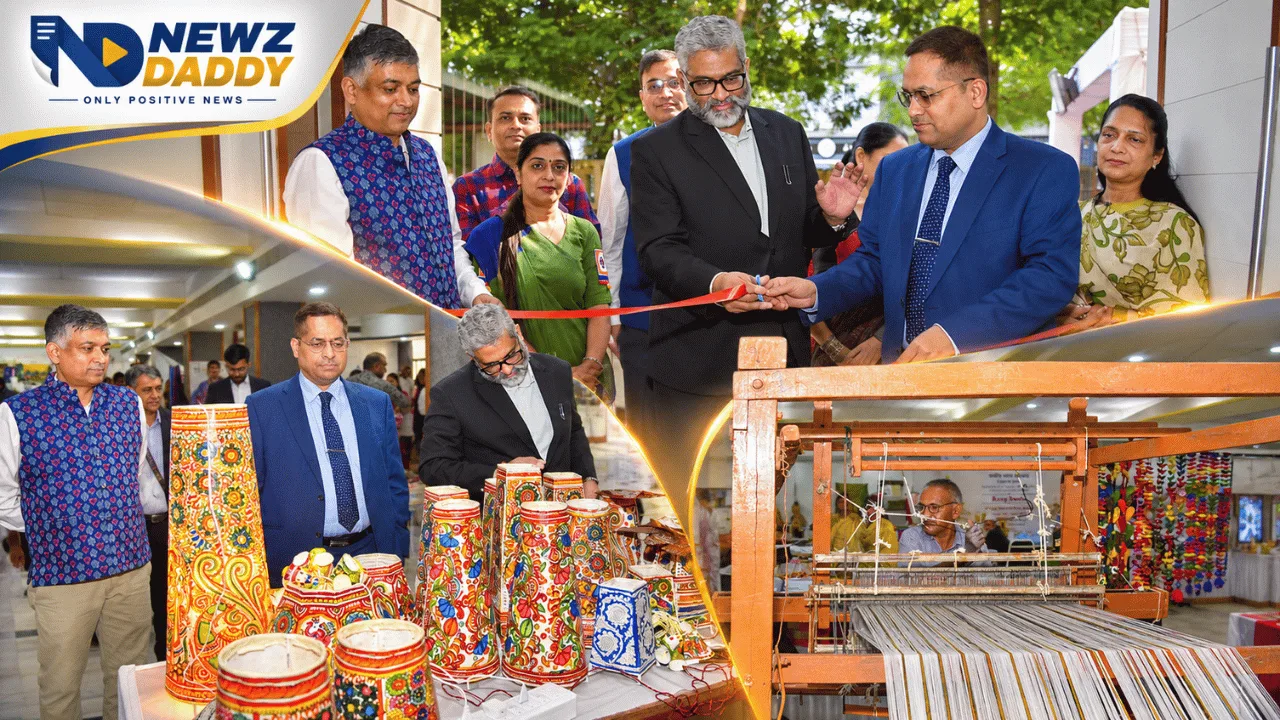
Residents of Ahmedabad have an opportunity to see and purchase traditional products from different parts of India as Grameen Bharat Mahotsav Gujarat 2026 opened at Sindhu Bhawan on Friday. The three-day exhibition is being organised by the Entrepreneurship Development Institute of India (EDII), Ahmedabad, in collaboration with the National Bank for Agriculture and Rural Development (NABARD).
The exhibition will remain open until November 29, with visiting hours from 10 am to 10 pm. It brings together Geographical Indication (GI)-tagged crafts and products supported by NABARD, with participation from artisans and producer groups representing 11 states, according to the event information.
The range of products includes Kashmiri shawls, Farrukhabad block prints and Bhadohi carpets from Uttar Pradesh, Jaipur blue pottery and lac bangles from Rajasthan, and Maheshwari and Chanderi handlooms from Madhya Pradesh. Visitors can also find Channapatna wooden toys from Karnataka, Bhagalpur silk from Bihar, Kanchipuram sarees from Tamil Nadu, Kunbi handlooms from Goa and Waigaon turmeric from Maharashtra.
The exhibition’s product list also mentions Tanjore paintings under Telangana. However, Tanjore painting is traditionally associated with Tamil Nadu, so this state attribution requires clarification.
Gujarat’s traditional crafts have a substantial presence at the event. Patan Patola, Kutch Bandhani, Kutch Ajrakh, Mata ni Pachedi, Saurashtra bead work, applique work and Saudagari block prints are among the products on display.
The collection gives Ahmedabad residents an opportunity to compare different weaving, printing, painting and craft traditions without travelling to their places of origin. For artisans, the exhibition offers a chance to meet buyers who may have limited access to products made in smaller towns and rural areas.
A Geographical Indication identifies a product with a particular place or region. Its name, quality or reputation is closely connected to where it comes from and how it is made.
India introduced legal protection for geographical indications through the Geographical Indications of Goods (Registration and Protection) Act, 1999. The law came into force on September 15, 2003. It covers agricultural products, food items, handicrafts and manufactured goods.
GI registration helps protect the name of a product against unauthorised use. It also gives consumers a way to identify goods that come from the registered region. The registration belongs to the community of producers rather than an individual business.
Several products at the Ahmedabad exhibition have received this recognition. Patan Patola, for instance, is known for its double ikat weaving technique. The design is created by carefully dyeing the threads before weaving them together. The process requires considerable skill and time.
Kutch Ajrakh is another well-known textile tradition. It uses block printing and natural or prepared dyes to create detailed patterns. Mata ni Pachedi, an art form associated with Gujarat, features hand-painted or printed cloth depicting religious figures and stories.
These products carry the names of their places of origin because their methods and traditions have developed within those communities over generations.
Finding regular buyers remains a concern for many small craft producers. Artisans often work from villages or small towns, where access to large retail markets can be limited. They may also face competition from factory-made products that sell at lower prices.
Exhibitions and direct sales events can help address some of these difficulties. They allow producers to meet customers, explain their methods and receive feedback on prices and designs.
NABARD has worked in rural development through financial support, producer organisations, self-help groups and programmes for rural enterprises. Its involvement in Grameen Bharat Mahotsav brings these rural production activities into a public marketplace.
The official announcement from the Ministry of Rural Development also identifies artisans, rural entrepreneurs, Self-Help Groups (SHGs), Farmer Producer Organisations (FPOs) and other producer groups as participants. It describes the exhibition as a platform where producers can sell their goods directly to consumers.
For buyers, direct interaction can help them understand the work involved in making a handloom product or a piece of traditional artwork. It also gives them an opportunity to ask about the material, production process and place of origin before making a purchase.
The Entrepreneurship Development Institute of India, based in Ahmedabad, has been involved in entrepreneurship education and training since its establishment in 1983. Its work includes helping people develop the skills and knowledge needed to start and manage enterprises.
The institute’s association with NABARD for this exhibition brings its entrepreneurship work into contact with traditional craft producers. Such activities can help rural producers understand the commercial side of their work, including customer preferences, product presentation and market access.
The exhibition also forms part of a wider government and institutional effort to give rural products access to markets outside their home regions.
According to the Ministry of Rural Development’s announcement on November 26, the Ahmedabad event includes products such as Pochampally Ikat, Kani shawls, Paithani sarees and Kantha-stitch products. It also lists Kutch Ajrakh, Bandhani, Mata ni Pachedi, Ahmedabad Sodagari Block Print, Dahod bead work and Banaskantha applique craft among the Gujarati products.
The government announcement mentions live demonstrations of Kutch Batik printing and Banaras Pan as additional attractions.
For traditional producers, the value of such an exhibition will depend on what happens after the stalls close. Orders from new customers, repeat purchases and business contacts can help artisans find buyers beyond a three-day event.
Grameen Bharat Mahotsav Gujarat 2026 continues at Sindhu Bhawan Exhibition Hall, Ahmedabad, until November 29. Visitors can attend daily between 10 am and 10 pm.
Must Read:
Entrepreneurship Training at EDII Ahmedabad Ends for 68 Participants