


Sant Rampal Welfare Drive Reaches Needy Families Across India
Sant Rampal Ji Maharaj’s Welfare Campaign Reaches Villages With Food, Housing and Farm Assistance
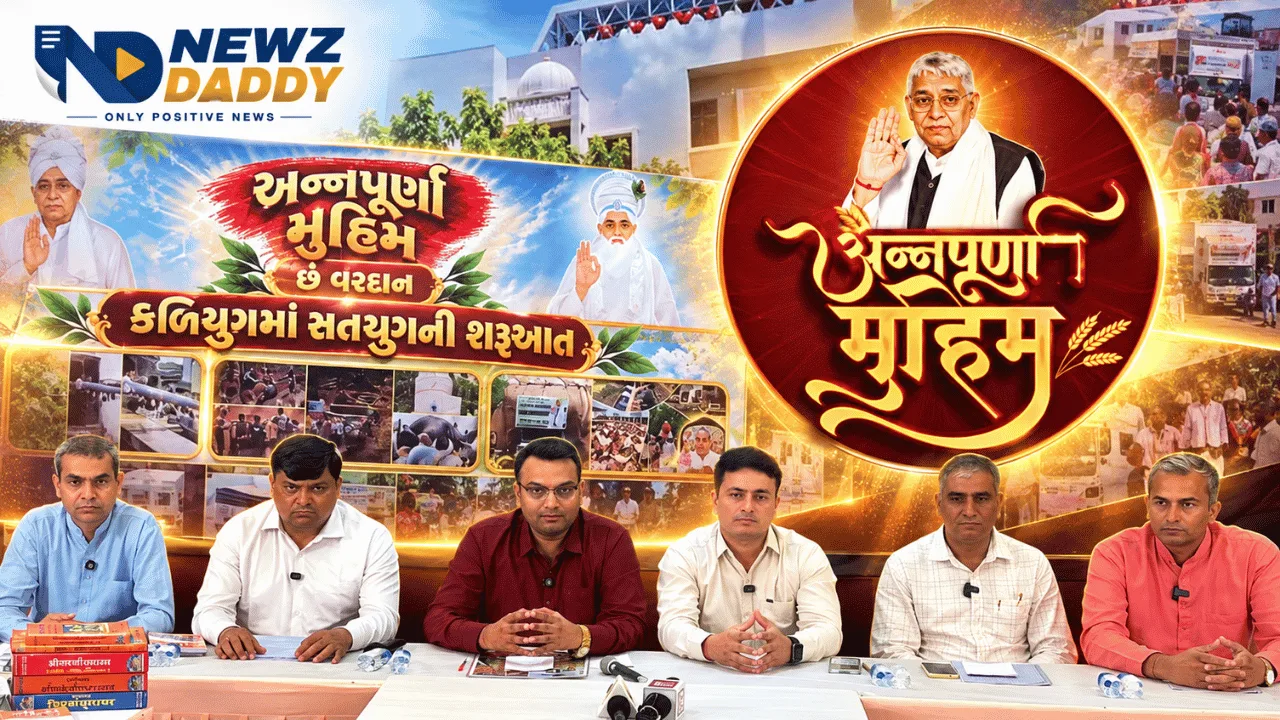
A welfare campaign associated with spiritual leader Sant Rampal Ji Maharaj is providing food, household goods, housing, farm supplies and other forms of assistance to families and villagers in need, according to service records and announcements issued by organisations linked to the campaign.
The programme, known as the Annapurna Muhim, covers several types of assistance. These include rations, clothes, utensils and bedding, as well as support for education and medical treatment. Organisers say help is offered according to a family’s needs and is not restricted to followers of Sant Rampal Ji Maharaj.
The scale of the work is particularly visible in rural areas, where the campaign has also supplied equipment for removing floodwater and restoring water facilities. Public records from the organisation list assistance to a large number of villages in Haryana and other states during and after the 2025 floods.
Housing is another part of the campaign. Under the ‘Sudama Ka Mahal’ initiative, organisers say permanent houses have been built for families who were living in poor or unsafe conditions.
The houses may be accompanied by basic household items such as cots, bedding and kitchen utensils. Educational materials for children are also provided in some cases. Information published by organisations associated with the campaign records such assistance in Haryana, Delhi and other parts of the country.
One reported case in Haryana involved a family left without a safe home after deaths in the family. A permanent house was built and supplied with household goods and school materials for the children. Similar housing assistance has also been reported in other states.
Access to drinking water forms another part of the rural work. Campaign records describe the supply and installation of submersible pumps, pipelines and related equipment in villages where local water facilities were considered inadequate.
The campaign’s flood-relief work gained attention in Haryana during 2025. Organisers say pipes, motors, pumps and related equipment were supplied to more than 300 flood-affected villages across Haryana, Punjab and other areas.
The equipment was mainly intended to remove standing water from homes, village areas and agricultural land. Such assistance can be important for farmers because prolonged waterlogging can damage standing crops and delay the next sowing season.
For the second phase of its 2026 flood-relief work, the campaign reports 171 completed service registrations and about 1.645 million feet of pipelines, along with motors of different capacities. Equipment listed in the service records includes Kirloskar motors and L&T starters and accessories. The figures are campaign-reported and would require independent auditing for a full assessment of the total work carried out.
The organisation’s published village records show individual cases involving thousands of feet of pipeline and several motors supplied to flood-hit communities in Haryana.
The Kisan-Mazdoor Bachao Abhiyan is aimed at another problem faced by rural families: the cost of farming inputs.
Under its third phase, organisers say small farmers, mainly those owning 2.5 acres or less, can receive free seeds, fertilisers and medicines used to protect crops from pests and diseases. Beneficiaries are checked before the material is supplied, according to campaign information.
Recent campaign records describe farmers receiving fertiliser and crop-protection material in Haryana. In some cases, payments are made directly to seed and fertiliser centres rather than giving cash to the farmer.
For families dependent on small farms, the cost of seeds, fertiliser and crop medicines can affect how much land they are able to cultivate. The value of such assistance therefore depends on the number of farmers reached and whether the supplies are delivered at the right time in the crop cycle.
Animal welfare is also included in the campaign. Organisers report that 41,690 quintals of free fodder have been provided through 61 service registrations across eight districts of Haryana and Rajasthan. They say the figure does not represent the total cattle-related work being carried out nationally.
Support has also been reported for shaded cattle shelters and drainage arrangements at gaushalas, particularly where rain and floodwater create problems.
Followers associated with the movement also take part in voluntary blood donation camps. India’s health authorities encourage voluntary, unpaid blood donation as a key part of maintaining safe and adequate blood supplies for hospitals.
The campaign also promotes dowry-free ‘Ramaini’ marriages. Organisers say more than one lakh such marriages have taken place so far.
The issue has a clear legal background. India’s Dowry Prohibition Act, 1961 prohibits the giving or taking of dowry and provides penalties for violations.
Followers of Sant Rampal Ji Maharaj are also encouraged to stay away from alcohol, tobacco, bidis, cigarettes and other addictive substances. Dowry-free marriages and de-addiction are presented by the organisation as part of its wider social programme.
Other assistance reported by the organisation includes school toilets, sports facilities and help for people visiting Dhanana Dham for medical treatment, surgery, education, housing or other basic needs.
The campaign says beneficiaries are considered according to their needs, whether or not they are followers. That claim is significant because the actual reach of any welfare programme depends on who can access it, how beneficiaries are selected and whether the assistance reaches people facing genuine hardship.
The figures released by the organisation provide a picture of the scale it says its volunteers have reached. They also provide starting points for independent reporting. Beneficiaries, village representatives, local administrations and records of material distribution can help establish the extent of the work in individual locations.
For readers, the larger question is therefore practical: how many families have received assistance, what was provided, where was it delivered, and what changed for the recipients afterwards? Those details will determine the lasting value of the welfare activities being carried out under the Annapurna Muhim and related initiatives of Sant Rampal Ji Maharaj.