


Ahmedabad Case Marks New Step in Jaw Repair with Dental Implants
Ahmedabad Doctors Use Scapular Bone for Dental Implants in Reconstruction After Black Fungus
The Asian Head and Neck Cancer Foundation reports what it believes is India’s first use of dental implants in a reconstructed upper jaw using a scapular free flap following mucormycosis.
Patients who lost parts of their upper jaw to Black Fungus during the COVID-19 pandemic may have a new option for restoring their ability to chew and use artificial teeth. The Asian Head and Neck Cancer Foundation in Ahmedabad has reported a case in which dental implants were placed in a reconstructed upper jaw made using bone taken from the patient’s shoulder blade.
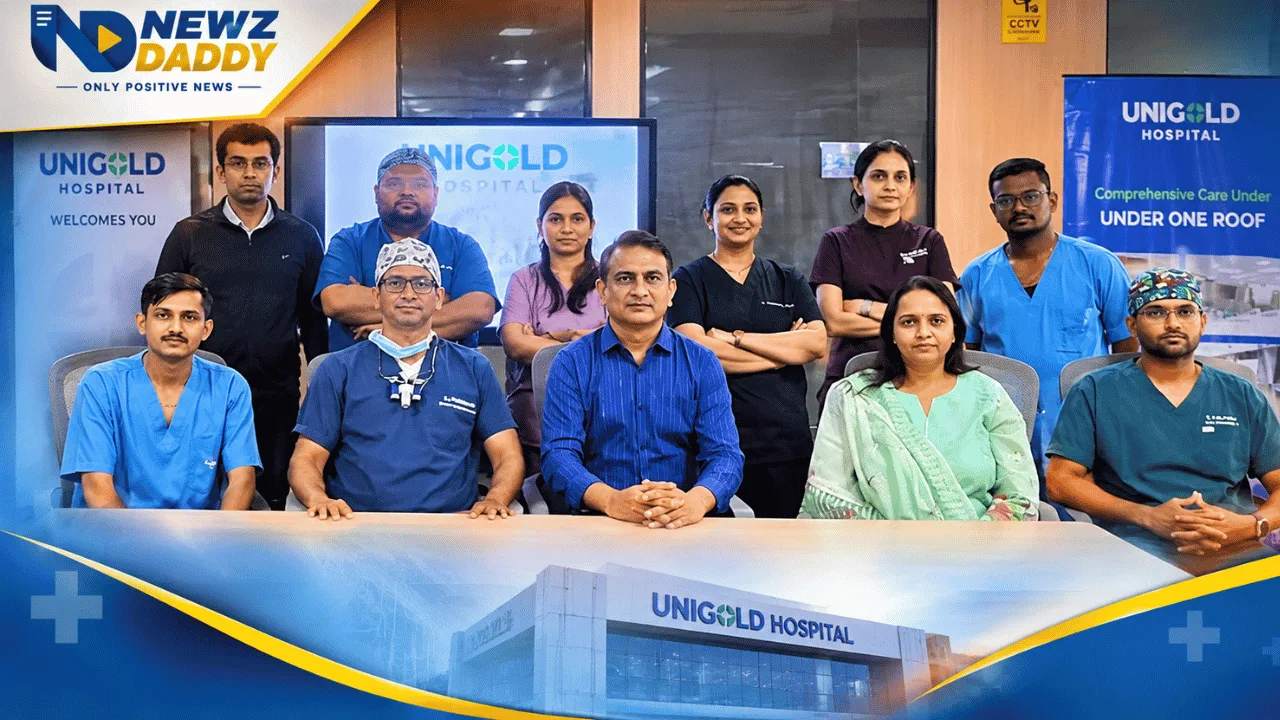
The procedure involved two stages of specialist treatment. Dr Shakti Singh Deora and his surgical team performed the reconstruction using a scapular free flap, while Dr Rahul Dhanak carried out the dental implant placement.
The foundation describes the procedure as India’s first reported dental implant placement in a vascularised scapular free flap used to rebuild the upper jaw following mucormycosis, commonly called Black Fungus. The claim has been made by the organisation and has not been independently established through a national registry or published comparative study.
The development is relevant to thousands of people who survived severe fungal infections during the pandemic but were left with major damage to their faces, jaws and teeth. Many continue to face problems with eating, speaking and wearing conventional dentures.
Mucormycosis is a serious infection caused by fungi belonging to the Mucorales group. These fungi are found in soil, decaying leaves, compost and other parts of the natural environment. Their spores can enter the body through breathing.
The infection mainly affects people with weak immune systems. Uncontrolled diabetes, cancer treatment, organ transplants and long-term use of medicines that suppress immunity can increase the risk.
India saw a sharp rise in cases during the second wave of COVID-19 in 2021. Severe COVID-19, poorly controlled blood sugar and the excessive or unsuitable use of corticosteroids were among the factors linked to the outbreak.
A multi-centre study involving 11 Indian sites examined 1,211 participants, including 336 people with COVID-19-associated mucormycosis. It found a strong association between diabetes and the infection. The study also identified links with longer hospital stays and the use of methylprednisolone, a corticosteroid.
Mucormycosis can spread through the nose and sinuses to the upper jaw, palate, eyes and, in severe cases, the brain. The fungus can enter blood vessels and restrict blood flow, causing tissue to die.
Some patients develop facial swelling, pain, loose teeth, wounds that refuse to heal and dark patches on affected tissue. When the infection reaches the upper jaw, the damage can be extensive.
Doctors may have to remove infected bone and surrounding tissue to stop the disease from spreading. This operation is called a maxillectomy.
The surgery can save a patient’s life, but it may leave a large opening between the mouth and nose. Patients can experience difficulty chewing, leakage of food and liquids into the nose, changes in speech, missing teeth and changes in facial appearance. Conventional dentures can also be difficult to keep in place.
Patients who undergo maxillectomy may receive an obturator, a removable dental device that closes the opening between the mouth and nasal cavity. It can help with speech and eating, although some patients find it difficult to wear or keep in position.
For larger defects, surgeons may use tissue taken from another part of the body. Common choices include the fibula, which is the smaller bone in the lower leg, the iliac crest of the hip and the scapula, or shoulder blade.
A scapular free flap involves transferring living bone, along with skin or other soft tissue when required, from the shoulder blade to the affected area. Surgeons reconnect its blood vessels to blood vessels in the head and neck using microsurgery. This allows blood to reach the transplanted tissue and helps it survive.
The scapular bone has features that make it useful for rebuilding parts of the upper jaw and palate. Surgeons can also take additional soft tissue when a patient has lost several types of facial tissue.
A 2025 systematic review published in the Journal of Clinical Medicine examined six studies covering 231 patients who received scapular free-flap reconstruction. Dental rehabilitation was reported in 56 per cent of patients, while 52 per cent returned to a normal diet. The review also reported donor-site problems in 10 per cent of cases.
These figures show the possibilities of the operation, although results differ according to the size of the defect, the patient’s health and the treatment required.
Replacing the missing bone helps restore the shape of the face, but patients may still struggle to use artificial teeth. Dental implants can help address this problem.
An implant is a small metal post placed inside the jawbone. After it joins with the bone, it can support a crown, bridge or other dental prosthesis. This can provide better support than a removable denture in suitable patients.
Dr Rahul Dhanak placed dental implants in the scapular bone used for the patient’s upper jaw reconstruction. The procedure required assessment of the available bone, its thickness, the position of the implants and the condition of the surrounding tissue.
The success of this treatment depends on the implants joining properly with the transplanted bone, a process called osseointegration. The patient must then undergo the required dental restoration and regular follow-up.
Research published in 2026 has also examined dental implants in scapular free flaps. A multi-centre review reported an implant integration rate of 88.8 per cent, with patients followed for an average of 41 months. This research adds to the medical evidence that shoulder-blade bone can support dental rehabilitation in selected patients.
The work reported by the Asian Head and Neck Cancer Foundation brings together reconstructive surgery and implant dentistry for a patient who suffered extensive damage from mucormycosis.
Dr Shakti Singh Deora led the reconstruction, while Dr Rahul Dhanak handled the dental implant procedure. Their work addresses a problem that many Black Fungus survivors continue to face several years after the COVID-19 outbreak.
The reported case also raises an important point about caring for patients who have lost parts of their jaws. Their treatment may continue long after the infection has been brought under control. Eating properly, speaking clearly and returning to everyday social activities can require further surgery, dental treatment and rehabilitation.
The foundation has not released the patient’s identity, the number of implants placed or details of the final dental restoration. Long-term follow-up will be needed to determine how well the implants function and how much the patient improves in daily life.
For survivors of the 2021 outbreak, access to suitable jaw reconstruction and dental care remains an important part of recovery. The Ahmedabad case adds to the growing body of medical work on restoring teeth and oral function after severe facial infections.