


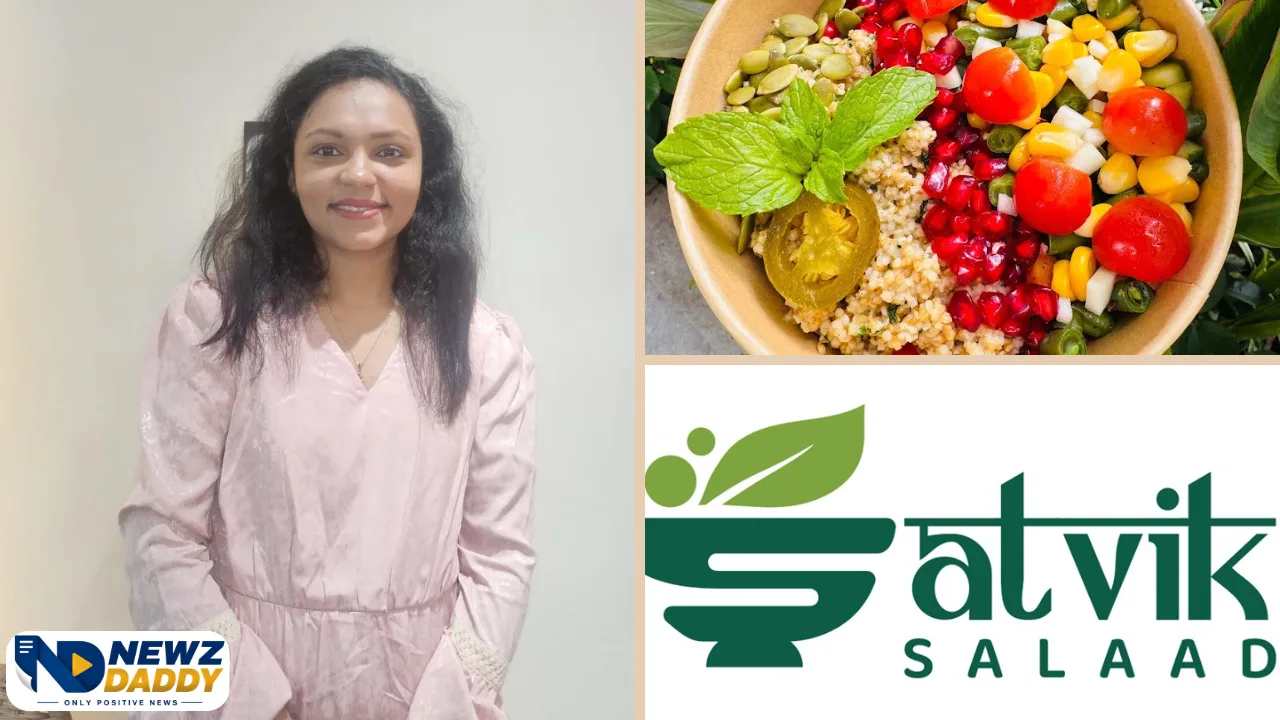
Satvik Salaad Ahmedabad Aims to Make Healthy Eating Easier
Satvik Salaad Opens First Walk-In Outlet in Ahmedabad, Bringing Dietitian-Led Healthy Meals to Prahladnagar
Ahmedabad-based wellness food brand Satvik Salaad has opened its first Healthy Food Experience Outlet in Prahladnagar, marking a shift from operating only as a cloud kitchen to welcoming customers at a physical location. The outlet offers salads, grain bowls, wraps, soups, smoothies and cold pressed juices, while the founders say the focus remains on making balanced meals easier to access for people with busy lifestyles.
The opening comes at a time when lifestyle-related health problems continue to rise across India. Conditions such as diabetes, obesity, thyroid disorders and polycystic ovary syndrome (PCOS) have become more common in both cities and smaller towns. Health experts have repeatedly pointed to poor eating habits, long working hours, reduced physical activity and increased dependence on processed food as major contributing factors. For many office workers, college students living away from home and older people, preparing fresh meals every day is often difficult.
Satvik Salaad was founded by Clinical Dietitian Divya Agrawal, who spent several years advising patients dealing with lifestyle-related illnesses. During consultations, she found that many people understood the value of healthy eating but struggled to find food that was nutritious, practical and enjoyable enough to become part of their daily routine.
Speaking about the launch, Divya Agrawal said, “Satvik Salaad was born from a simple belief—that healthy food should be fresh, delicious, and accessible to everyone. Our dream is not just to serve meals but to inspire families to embrace a healthier lifestyle, one bowl at a time. This outlet is the beginning of a journey to build a healthier Ahmedabad through honest ingredients, mindful cooking, and a genuine passion for wellness.”
The business also reflects the interests of co-founder Deepak Agrawal, an entrepreneur and international triathlete. According to the company, his participation in endurance events, including completing the Ironman Triathlon and the 600 kilometre Super Randonneur cycling challenge, strengthened his belief that long-term physical performance depends as much on daily eating habits as it does on training.
The name Satvik Salaad has its roots in the Agrawal family. Deepak Agrawal chose the name in honour of his mother, Mrs Kiran Agrawal, whose traditional Satvik cooking inspired the concept. Divya Agrawal later worked with her mother-in-law to combine clinical nutrition with familiar Indian recipes that could be prepared using commonly available ingredients. What started as personalised meal plans for a small number of patients gradually developed into a commercial food service after demand increased.
The new outlet introduces technology that aims to personalise meal suggestions. Customers can use a 25-second face-scanning system, which recommends meal bowls after analysing factors such as skin tone and mood. The company says the recommendations are intended to indicate nutritional needs. Such technologies are becoming increasingly common in the global health and wellness industry, although nutrition experts generally advise that digital assessments should complement, rather than replace, professional medical advice and individual health assessments.
Alongside meals served at the outlet, Satvik Salaad has introduced a daily subscription service. Customers can receive freshly prepared meals at home, reducing the need to plan and cook each day. The company says the service is designed for working professionals, students living away from home, senior citizens, health-conscious consumers and patients managing long-term health conditions.
Food preparation methods also differ from many businesses that focus mainly on raw salads. According to the company, vegetables and fruits are cleaned using ozone washing before preparation. The menu includes cooked, sautéed and blanched dishes alongside raw ingredients, reflecting the belief that digestibility is an important part of healthy eating. Meals are packed using plastic-free packaging as part of the company’s environmental approach.
India’s organised healthy food market has grown steadily in recent years as consumers become more aware of nutrition and preventive healthcare. The expansion has been supported by rising urban incomes, wider use of food delivery platforms and greater interest in fitness and wellness. Many businesses have introduced customised meal plans, calorie-counted menus and subscription services aimed at customers looking for convenience without relying heavily on fast food.
The founders say their plans extend beyond selling prepared meals. The company sources produce through sustainable farming practices where possible and works with small farmers. It also aims to create employment opportunities for women, supporting financial independence and community participation.
Nutrition specialists have long argued that balanced diets depend on overall eating patterns rather than individual foods. Public health agencies recommend regular consumption of vegetables, fruits, whole grains, pulses and adequate protein while limiting foods high in sugar, salt and saturated fat. Businesses entering the healthy food sector increasingly combine these recommendations with convenient delivery services to encourage long-term dietary habits.
For Satvik Salaad, the Prahladnagar outlet represents an important stage in the company’s development. Moving from a cloud kitchen to a customer-facing location allows people to experience the menu directly while expanding access through home subscriptions. As Ahmedabad’s demand for healthier dining options continues to grow, the success of such businesses is likely to depend on whether they can consistently provide nutritious meals that remain affordable, convenient and suitable for everyday life.
The founders say they hope the venture encourages more people to treat food as an important part of long-term health rather than simply a way to satisfy hunger. Whether that vision succeeds will depend on changing consumer habits in a market where convenience and nutrition increasingly need to go hand in hand.